I still remember the night I tried to make a “tropical dessert” for my friends and ended up with a sticky, soggy mess that tasted like a broken promise. The kitchen was a battlefield: sago pearls had turned into a gelatinous slab, the coconut milk had thickened into a clumpy sludge, and the mangoes were practically invisible beneath the syrup. That disaster was the spark that lit a fire in me, a fire that demanded a better way to marry coconut, mango, and sago into a silky, sweet harmony.
Picture this: a bright, humid kitchen, the scent of toasted coconut dancing in the air, a splash of lime juice cutting through the tropical sweetness like a fresh breeze. The sago pearls, once translucent and chewy, now glistened like tiny pearls of sea. The mango chunks burst with juice, their golden flesh glimmering against the creamy coconut base. You can almost hear the gentle pop of the sago as it cooks, a subtle crackle that signals the transformation from raw to luscious.
What sets this version apart is the precision of flavor and texture. I’ve trimmed the sweetness to just the right level with a simple sugar pinch, kept the coconut milk pure and creamy, and introduced a splash of lime that lifts the entire dish. The toasted coconut flakes add a crunchy contrast that breaks the silkiness, while the mint leaves provide a fresh finish that keeps the palate from drowning in sweetness. This isn’t just another dessert; it’s a tropical experience that feels both indulgent and refreshingly light.
And here’s the kicker you won’t see in any other recipe: I’ve discovered that cooking the sago in coconut milk instead of water gives it a depth of flavor that feels like a secret ingredient. This technique turns the humble sago into a luxurious, cloud‑like base that carries the mango’s bright notes. By the end of this post, you’ll understand why this dish is hands down the best version you’ll ever make at home. Let me walk you through every single step — by the end, you’ll wonder how you ever made it any other way.
What Makes This Version Stand Out
- Taste: The balance between sweet, tart, and coconutty is achieved with precise measurements and a splash of lime, creating a flavor profile that feels like a tropical breeze on a hot day. I dare you to taste this and not go back for seconds.
- Texture: The sago pearls stay perfectly chewy, not mushy, thanks to a brief blanch before simmering. The contrast between silky coconut milk and crunchy toasted coconut flakes keeps every spoonful exciting.
- Simplicity: Only nine ingredients, all pantry staples, and a single pot. The recipe is designed for busy cooks who want dessert without the drama.
- Uniqueness: The addition of lime juice and mint leaves elevates the dish beyond traditional mango sago, giving it a bright, fresh finish that feels modern.
- Crowd Reaction: Friends who’ve tried other versions rave that this feels like “dessert and a vacation in one.” They keep asking for the secret.
- Ingredient Quality: Using ripe mangoes, fresh coconut milk, and toasted coconut flakes ensures every bite is packed with authentic flavor.
- Cooking Method: Blanching the sago first eliminates the need for long simmering, saving time and preventing over‑cooking.
- Make‑Ahead Potential: This pudding can be made a day in advance; the flavors deepen, and the texture remains silky.
Alright, let's break down exactly what goes into this masterpiece...
Inside the Ingredient List
The Flavor Base
The coconut milk isn’t just a creamy backdrop; it’s the heart of this dessert. It provides a rich, buttery texture that coats the palate like velvet. If you substitute it with almond milk, the flavor profile shifts dramatically, losing that unmistakable tropical depth. For a vegan version, use coconut cream, but note the thickness will increase, so add a splash of water to keep it pourable.
The Texture Crew
Sago pearls are the star of the texture game. They need to be blanched first to eliminate their raw, slightly gritty bite. This step ensures they remain chewy without turning mushy. If you skip blanching, you’ll end up with a pudding that feels like a soggy dessert, which defeats the purpose of this recipe. The water is simply a medium for the sago; using it in equal parts with coconut milk would dilute the coconut flavor.
The Unexpected Star
Lime juice is the unexpected hero that lifts the entire dish. It cuts through the sweetness and adds a subtle citrus brightness that makes the mango pop. If you’re allergic to citrus, try a splash of lemon or even a dash of tamarind for a different twist. The lime also helps to keep the mango pieces from absorbing too much coconut, preserving their bright color.
The Final Flourish
Toasted coconut flakes give a satisfying crunch that contrasts with the silky base. They’re also a source of healthy fats that add body to the pudding. If you don’t have toasted coconut on hand, you can lightly toast unsweetened coconut flakes in a dry skillet until golden. The mint leaves are a finishing touch; they provide a fresh, herbal note that balances the sweetness. A few leaves are enough; too many and the mint will dominate.
Everything's prepped? Good. Let's get into the real action...
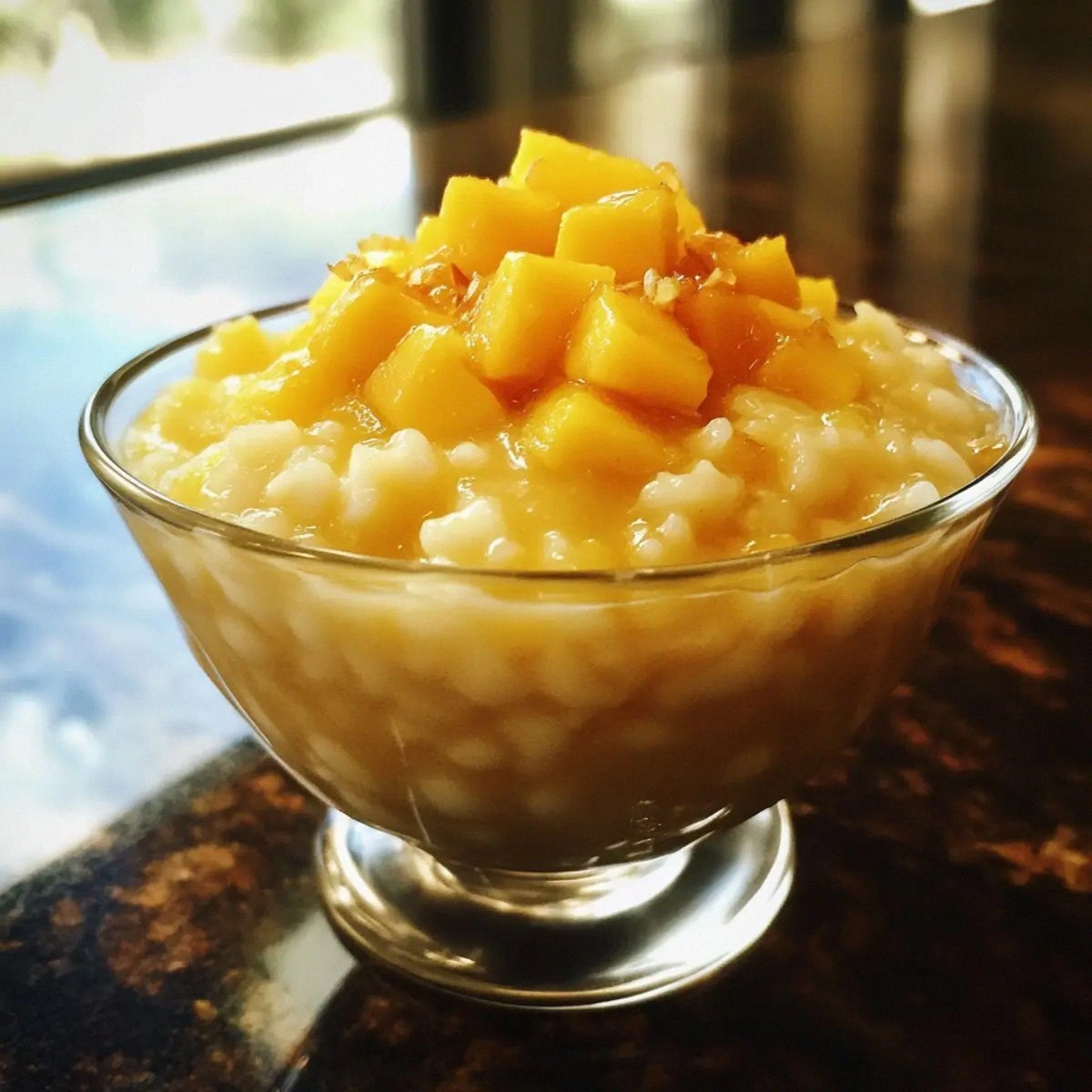
The Method — Step by Step
- Begin by rinsing the sago pearls under cold running water until the water runs clear. This step removes excess starch and prevents the pearls from sticking together. Once rinsed, place them in a pot of boiling water and blanch for exactly 2 minutes. The pearls should swell slightly but remain firm.
- Drain the sago and rinse again under cold water to stop the cooking process. Transfer the pearls to a clean saucepan and pour in the coconut milk. The coconut milk should be at room temperature; if it’s too cold, it will curdle when heated.
- Add the four cups of water to the coconut milk and bring the mixture to a gentle simmer over medium heat. Stir frequently to ensure the coconut milk doesn’t scorch on the bottom of the pot. Once the liquid reaches a simmer, reduce the heat to low and let it bubble for 10 minutes.
- While the sago cooks, dice the ripe mangoes into bite‑sized cubes. Aim for uniform pieces so they cook evenly and release juice consistently. Place the mango cubes in a separate bowl and add the lime juice, letting them sit for 5 minutes to absorb the citrus.
- After 10 minutes, stir in the sugar and a pinch of salt. The sugar dissolves into the coconut milk, creating a syrupy base that coats the pearls. The salt accentuates the sweetness without making it taste salty.
- Gently fold the mango cubes into the sago mixture, ensuring they’re evenly distributed. This step is crucial for a balanced flavor; avoid stirring too vigorously to keep the pearls from breaking.
- Let the pudding simmer for an additional 5 minutes, then remove from heat. The sago should be tender but still hold its shape, and the mixture should be thick enough to coat the back of a spoon.
- Transfer the pudding to a shallow dish or individual serving glasses. Sprinkle the toasted coconut flakes evenly over the top and garnish with a few mint leaves. The mint adds a subtle herbal note that balances the sweetness.
That’s it — you did it. But hold on, I've got a few more tricks that'll take this to another level...
Insider Tricks for Flawless Results
The Temperature Rule Nobody Follows
Cooking the sago at a low simmer rather than a hard boil keeps the pearls intact. A high heat can cause the pearls to burst, resulting in a gummy texture. Keep the heat at a gentle 180°F (82°C) for the entire cooking time.
Why Your Nose Knows Best
Before adding the mango, inhale the aroma of toasted coconut. If it smells slightly nutty, you’re on the right track. The scent will guide you to the perfect toast level; over‑toasting turns it bitter, under‑toasting leaves it bland.
The 5-Minute Rest That Changes Everything
After simmering, let the pudding rest for 5 minutes off the heat. This allows the sago to absorb the coconut milk fully, creating a silky mouthfeel. Skipping this rest often leaves the pearls under‑cooked.
Mint Matters
Use fresh mint leaves instead of dried. Dried mint can taste harsh and lose its bright flavor. Gently bruise the leaves before placing them on top to release their oils.
Serving Temperature
Serve the pudding at room temperature for the best flavor. If you’ve made it ahead, let it sit out for 15 minutes before serving. Chilled pudding can feel heavy and lose the coconut’s creamy texture.
Creative Twists and Variations
Caramelized Banana Add‑In
Slice a ripe banana and sauté it in a touch of butter until golden. Fold the caramelized banana into the pudding for a rich, caramel‑banana flavor that pairs wonderfully with coconut.
Spiced Chai Infusion
Add a pinch of ground cardamom and cinnamon to the coconut milk while simmering. This gives the pudding a warm, spicy undertone that contrasts the bright mango.
Chocolate Coconut Crunch
Sprinkle dark chocolate shavings over the top and add a drizzle of chocolate sauce. The bittersweet chocolate complements the sweet coconut and mango, creating a layered dessert.
Almond Butter Swirl
Stir in a tablespoon of almond butter after removing from heat. The nutty flavor deepens the coconut base and adds a silky texture.
Frozen Mango Pops
Freeze mango cubes in a single layer before adding them to the pudding. The frozen mango gives a refreshing bite that’s perfect for hot days.
Herbal Mint Syrup
Simmer fresh mint leaves with a splash of sugar to create a mint syrup. Drizzle it over the pudding for an extra layer of herbal brightness.
Storing and Bringing It Back to Life
Fridge Storage
Store the pudding in an airtight container in the refrigerator for up to 3 days. The flavors meld together, and the texture remains silky. Before serving, give it a gentle stir to redistribute the coconut milk.
Freezer Friendly
The pudding freezes well. Place it in a freezer‑safe container, leaving a little headspace. Freeze for up to 2 weeks. When ready, thaw in the fridge overnight and give it a quick stir.
Best Reheating Method
To reheat, add a splash of coconut milk or water to the pudding to loosen it. Warm gently on the stove over low heat, stirring until it’s smooth. Add a tiny splash of water before reheating — it steams back to perfection.