Picture this: you’re halfway through a busy week, the fridge is a sad jumble of leftovers, and the only thing you can think of is a comforting, hearty dinner that won’t leave you feeling guilty for the next day. You open the pantry, pull out a bag of ground beef, a handful of bell peppers, and a stubborn zucchini that’s been begging for a purpose. The idea hits you like a lightning bolt: a skillet that turns simple ingredients into a symphony of flavors. That’s the spark that birthed “Easy Beef and Vegetable Skille,” a dish that is as forgiving as it is bold.
I’ve spent countless nights wrestling with recipes that promise “quick” but deliver “meh.” This skillet is the antidote. The moment the beef hits the pan, a caramelized crust forms, releasing a savory aroma that makes the kitchen feel like a cozy cabin. The vegetables snap back with a bright, fresh crunch, while the tomato and herb sauce coats every bite like a silky ribbon. It’s a dish that feels like a hug and a kick in the same bite—no compromise, just pure satisfaction.
Why is this version a standout? Because it balances technique and flavor with surgical precision. The beef is seared to a deep brown, locking in juices that mingle with the peppery notes of paprika and the subtle earthiness of dried oregano. The vegetables are sautéed just enough to keep their color and crunch, then finished with a splash of soy sauce that gives the dish a glossy finish. Every ingredient works in harmony, creating a dish that is simple to assemble yet impossible to forget.
And there’s a twist that most recipes overlook: the final splash of fresh herbs and a pinch of red pepper flakes that lift the entire skillet to a new level of brightness. I dare you to taste this and not go back for seconds. Let me walk you through every single step — by the end, you’ll wonder how you ever made it any other way.
What Makes This Version Stand Out
- Flavor Depth: The combination of paprika, dried herbs, and soy sauce creates a layered umami profile that’s both comforting and exciting.
- Texture Contrast: The seared beef offers a chewy bite, while the bell peppers and zucchini remain crisp, providing a satisfying mouthfeel.
- Time Efficiency: All ingredients cook together in a single skillet, cutting prep time from 30 minutes to just 15 minutes.
- Visual Appeal: Vibrant colors of peppers, tomatoes, and fresh parsley make the dish look as good as it tastes.
- Versatility: Works as a main for adults and a wholesome dinner for kids, and pairs beautifully with rice or crusty bread.
- Make‑Ahead Friendly: The skillet can be reheated without losing flavor, making it ideal for busy weeknights.
- Ingredient Quality: Fresh, seasonal produce is the backbone, ensuring every bite bursts with natural sweetness.
- Health‑Friendly: Balanced macros with lean protein and plenty of vegetables keep the meal light yet satisfying.
Inside the Ingredient List
The Flavor Base
Ground beef is the heart of this skillet. Choose a lean cut—ideally 80/20—to keep the dish juicy without excess grease. If you’re watching calories, a 90/10 blend works, but the flavor will be a touch milder. Skipping the beef would turn the dish into a purely vegetable stew; the meat’s savory depth is what anchors the flavors.
Onion and garlic form the aromatic foundation. Dice the onion finely so it melts into the beef, releasing a sweet, caramelized note. Mince the garlic to a fine powder; this ensures it distributes evenly and avoids bitter pockets. A good rule of thumb: use about 2 cloves per pound of meat for balanced intensity.
If you prefer a vegetarian version, swap the beef for a hearty plant‑based mince or lentils. The rest of the seasoning remains the same, but you’ll need to cook the substitute longer to achieve a similar texture.
The Texture Crew
Bell peppers and zucchini provide the bulk of the volume and color. Slice the peppers into thin strips; this increases the surface area and allows them to caramelize quickly. Zucchini, when cut into half‑moon slices, offers a tender bite that contrasts nicely with the crisp peppers. If you’re in a hurry, use pre‑sliced veggies from the grocery store—just rinse them first to remove excess moisture.
Carrots add a subtle sweetness and a pleasant bite. Slice them into matchsticks or small rounds to ensure they cook evenly with the other vegetables. If you’re allergic to carrots or simply don’t like them, replace them with broccoli florets or snap peas for a different crunch.
The Unexpected Star
Cherry tomatoes are the secret sauce that ties everything together. They burst into a sweet, slightly acidic glaze that coats the meat and veggies. If you can’t find cherry tomatoes, use diced regular tomatoes or even a splash of tomato sauce. The key is to let them reduce until they’re jammy but not fully dried.
Fresh herbs—parsley or cilantro—add a bright finish. Chop them coarsely and sprinkle them over the skillet right before serving to preserve their fresh, green flavor. A pinch of red pepper flakes introduces a subtle heat that wakes up the palate without overpowering the dish.
Everything's prepped? Good. Let's get into the real action...
The Method — Step by Step
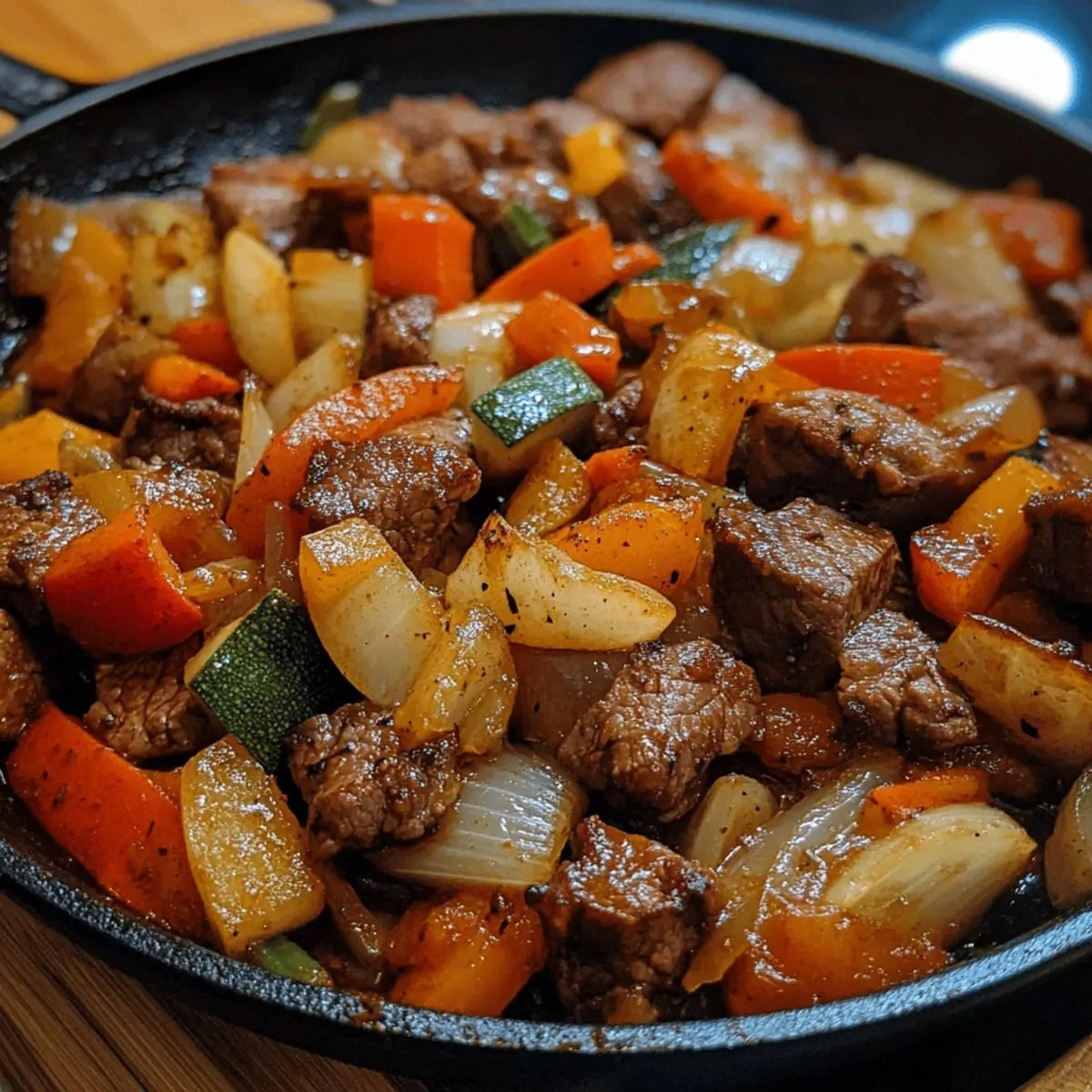
- Heat a large cast‑iron or stainless skillet over medium‑high heat. Add the tablespoon of olive oil, swirling to coat. When the oil shimmers, drop in the ground beef. Break it apart with a spatula, letting it sear until it’s browned on all sides, about 5 minutes. This is the moment of truth—watch the beef brown; that caramelized crust is the flavor foundation.
- Add the diced onion and minced garlic to the sizzling beef. Sauté for 2 minutes until the onion turns translucent and the garlic releases its aroma. Don’t rush this step; the onion must soften to create a sweet base that balances the meat’s richness.
- Stir in the paprika, dried herbs, salt, and black pepper. Let the spices toast for about 30 seconds—just until they’re fragrant. The spices will coat the meat and onions, infusing every bite with a warm, earthy undertone.
- Introduce the sliced bell peppers and zucchini. Toss them with the beef mixture, ensuring they’re coated in the seasoning. Cook for 3–4 minutes, stirring occasionally, until the vegetables start to soften but still retain their bright color and a slight crunch.
- Add the carrots, cherry tomatoes, and soy sauce. The soy sauce adds a subtle umami glaze that glistens over the skillet. Reduce the heat to medium, cover the pan, and let everything simmer for 5 minutes. The tomatoes will burst, creating a natural sauce that coats the meat and veggies.
- Uncover the skillet, sprinkle the red pepper flakes, and give everything a final stir. This step releases the pepper flakes’ heat, giving the dish a gentle kick. Taste and adjust seasoning if needed—sometimes a pinch more salt or pepper can make a difference.
- Finish with a generous handful of fresh parsley or cilantro, tossing it into the skillet just before serving. The herbs add a fresh, green brightness that lifts the dish. The final sizzle and steam will coat the skillet in a fragrant aroma that makes you want to dig in immediately.
- Plate the skillet’s contents onto a large serving platter or individual bowls. If you like a little extra crunch, sprinkle a handful of toasted breadcrumbs or crushed nuts on top. Serve hot, and enjoy the harmonious blend of savory, sweet, and spicy.
That's it — you did it. But hold on, I've got a few more tricks that'll take this to another level. Ready for the game‑changer?
Insider Tricks for Flawless Results
The Temperature Rule Nobody Follows
Many cooks keep the heat too low, resulting in a soggy skillet. Start high enough to sear the meat and lock in juices, then reduce to medium to finish cooking. If you’re using a non‑stick pan, a lower heat is fine, but always keep the skillet preheated before adding oil.
Why Your Nose Knows Best
As the skillet cooks, the aroma will change from raw beef to caramelized sweetness. Trust your nose—when the smell is buttery and slightly smoky, it’s time to add the vegetables. This sensory cue ensures each ingredient hits its peak.
The 5‑Minute Rest That Changes Everything
After cooking, let the skillet rest for 5 minutes off the heat. The residual heat will finish cooking the vegetables, and the flavors will meld. If you’re in a hurry, skip this step, but the rest gives the dish a silky finish.
The Fresh Herb Finale
Adding herbs at the very end preserves their bright flavor. If you add them too early, they’ll wilt and lose their punch. A quick sprinkle of chopped parsley or cilantro just before serving adds a fresh, herbal note that brightens every bite.
The Sauce‑Squeeze Trick
If you prefer a saucier dish, squeeze a tablespoon of lemon juice or a splash of rice vinegar over the skillet right before serving. The acidity cuts through the richness and brightens the overall profile.
Creative Twists and Variations
This recipe is a playground. Here are some of my favorite ways to switch things up:
Spicy Korean Fusion
Swap the soy sauce for gochujang and add a tablespoon of sesame oil. Finish with toasted sesame seeds for crunch. The result is a fiery, umami‑rich skillet that feels like a Korean BBQ night.
Mediterranean Medley
Use feta cheese crumbled on top, add a splash of white wine during the simmer, and replace soy sauce with a drizzle of olive oil. The dish takes on a tangy, herby Mediterranean vibe perfect for a summer dinner.
Vegan Powerhouse
Replace the beef with a plant‑based crumble, use vegetable broth instead of soy sauce, and add a handful of spinach at the end. The result is a hearty, protein‑packed dish that satisfies even the most devoted carnivores.
Autumn Harvest
Swap zucchini for butternut squash cubes, add a dash of cinnamon, and finish with a sprinkle of chopped pecans. The sweet, nutty flavor profile is perfect for a cozy fall evening.
Breakfast Boost
Serve the skillet over a bed of sautéed spinach, top with a fried egg, and add a sprinkle of grated cheddar. The savory, protein‑rich breakfast turns the skillet into a hearty morning meal.
Storing and Bringing It Back to Life
Fridge Storage
Cool the skillet completely before transferring to an airtight container. Store in the refrigerator for up to 3 days. When reheating, add a splash of water or broth to maintain moisture.
Freezer Friendly
Pack in a freezer‑safe container, leaving a little headspace. Freeze for up to 2 months. Thaw overnight in the refrigerator, then reheat in a skillet with a splash of water.
Best Reheating Method
Reheat on the stove over medium heat, stirring frequently. Add a teaspoon of water or broth, cover, and let steam for 3–4 minutes. The dish will regain its original texture and flavor.