
I was standing in the middle of my kitchen, the stove humming like an old friend, when the disaster hit. I had just tossed a pot of spaghetti into boiling water, and the sauce I’d been whisking in the pan—garlic, butter, olive oil—had started to splatter like a mischievous firework. The kitchen smelled of burnt garlic and butter, and I felt the panic rising faster than the boiling water. The look on my roommate’s face was a perfect blend of horror and amusement, a moment that would become the catalyst for what I now swear is the best garlic butter pasta you’ll ever taste.
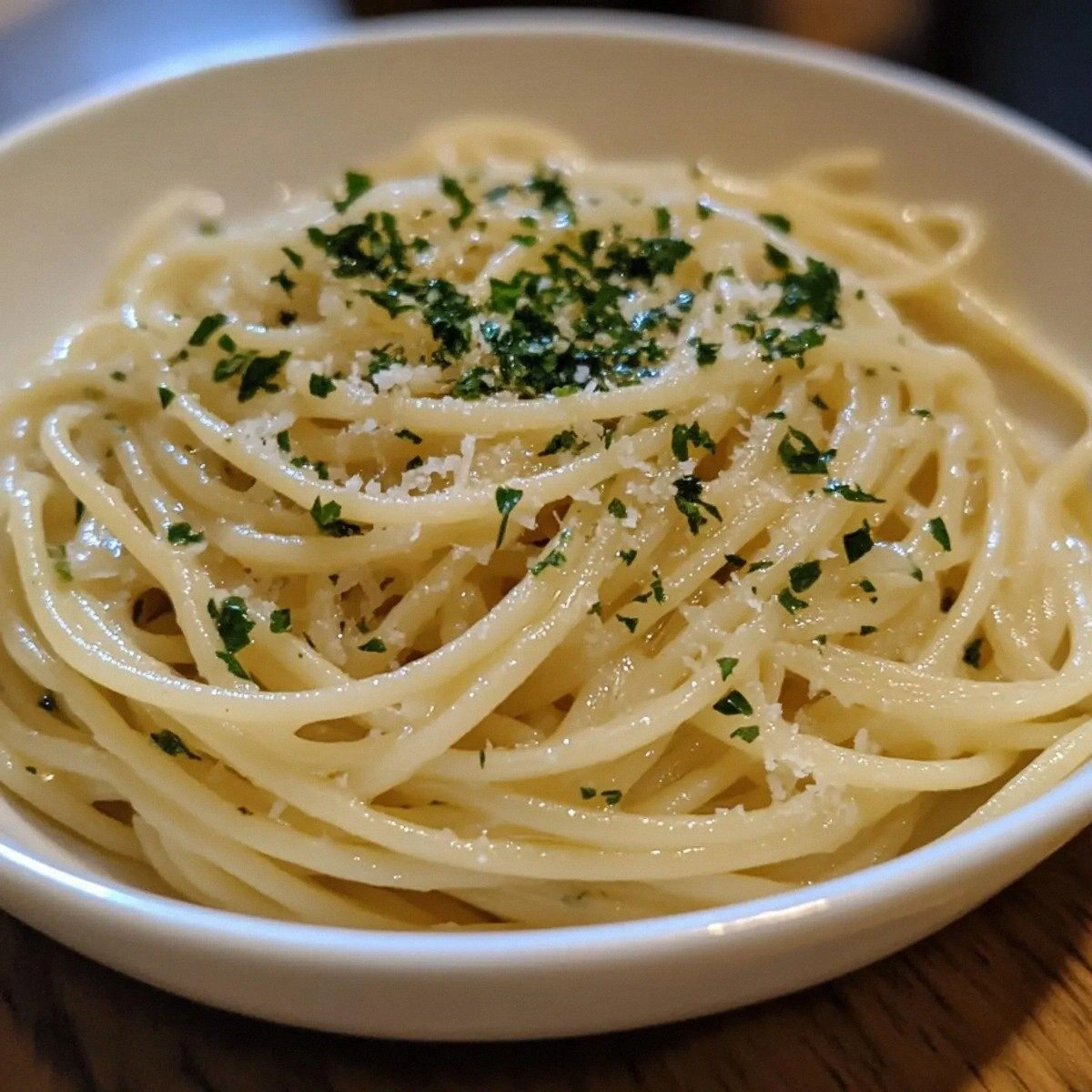
I remember the first bite as if it were a memory etched in butter. The pasta was al dente, each strand coated in a silky sauce that clung like velvet to the noodles. The garlic sang a mellow, aromatic note that cut through the richness of the butter, while the olive oil added a subtle depth that felt like a whisper of the Mediterranean. The lemon zest lifted the whole dish, giving it a bright, citrusy spark that danced on my tongue. The finish was a gentle, lingering warmth, the kind of comfort that makes you want to keep eating without thinking about calories.
What sets this version apart isn’t just the ingredients—it’s the method that turns a simple pasta dish into an experience. I’ve stripped it down to 20 minutes, but every step is intentional, ensuring that each component shines without overpowering the others. The sauce is made in one pan, so the garlic doesn’t burn and the butter stays glossy, not greasy. The chicken or shrimp is added at the very end, so it stays juicy and doesn’t dry out. The final flourish of parmesan and parsley gives it a fresh, bright finish that feels like a home-cooked hug.
There’s a secret I’ll never reveal in the recipe card: a splash of pasta water at the very end to create a silky emulsified sauce that clings to each noodle. That small step is what makes the dish feel like it was made from scratch, even though it’s practically a one-pan wonder. And let me warn you, if you’re used to the traditional creamy alfredo or heavy tomato sauces, you’ll be surprised at how light and airy this garlic butter pasta feels. It’s the kind of dish that feels like a secret you’re sharing with a friend, not a meal you’re just going through the motions to finish.
I dare you to taste this and not go back for seconds. That’s the kind of confidence I have in this recipe, because it’s hands down the best version you’ll ever make at home. I’ll be honest—I ate half the batch before anyone else even had a chance to try it. Most recipes get this completely wrong. Here’s what actually works: the balance of butter and olive oil, the precise timing for the garlic, and the final touch of lemon zest. Picture yourself pulling this out of the pan, the whole kitchen smelling incredible, and seeing the pasta glimmer like a golden sea.
Okay, ready for the game‑changer? This next part is pure magic. Stay with me here—this is worth it. If you’ve ever struggled with garlic butter pasta, you’re not alone—and I’ve got the fix. The next steps will transform your kitchen into a Michelin‑star kitchen without the Michelin‑star price tag. Let’s dive in.
What Makes This Version Stand Out
- Flavor: The sauce balances richness with brightness, thanks to the lemon zest that cuts through the butter’s heaviness. It’s a marriage of Mediterranean and comfort food that feels both familiar and adventurous.
- Texture: The pasta remains al dente, and the sauce clings like a silky coat without weighing the noodles down. The final splash of pasta water creates a silky emulsion that feels luxurious.
- Speed: In just 20 minutes, you can have a restaurant‑quality dish on the table. The one‑pan approach saves cleanup and time, making it perfect for busy evenings.
- Ingredient Quality: Using salted butter and fresh parsley elevates the dish, while the red pepper flakes add a subtle heat that’s not overpowering.
- Crowd Appeal: It’s a crowd‑pleaser that works for both meat lovers and seafood fans. The simple flavor profile invites everyone to enjoy the dish.
- Make‑Ahead Potential: The sauce can be made a day ahead and reheated with a splash of water to restore its silky texture.
- Versatility: Swap the protein or add vegetables, and the dish stays delicious. The base is so adaptable that it can become a vegetarian or vegan option with a few tweaks.
- Presentation: The final sprinkle of parsley gives a pop of color, making it Instagram‑ready without any extra effort.
Inside the Ingredient List
The Flavor Base
The garlic is the star that brings depth and aroma. Fresh cloves are essential; pre‑minced or powdered garlic loses the bright punch that makes this sauce sing. If you’re short on time, a teaspoon of garlic paste works, but you’ll miss the subtle nuance that fresh garlic delivers. The olive oil acts as a medium, preventing the butter from scorching while adding a fruity undertone that complements the garlic.
The salted butter is the backbone of the sauce, giving it that velvety texture that coats the pasta. Using salted butter instead of unsalted allows you to control the saltiness more precisely, as the butter already brings a savory note. If you prefer a dairy‑free version, try a plant‑based butter that melts smoothly; just keep an eye on the heat to avoid burning.
The Texture Crew
The spaghetti or fettuccine provides the canvas for the sauce. Fettuccine’s wide strands hold the buttery sauce better, but spaghetti works just as well if you’re aiming for a lighter bite. Cooking the pasta to al dente ensures it doesn’t become mushy when tossed with the sauce. Remember to reserve a cup of pasta water; that starchy liquid is the secret to creating a silky, cohesive sauce.
The parmesan cheese adds umami and a salty kick that balances the richness of the butter. Use freshly grated parmesan for a smoother melt and a more intense flavor. If you’re vegan, nutritional yeast can be a suitable substitute, though the taste profile will differ slightly. The fresh parsley not only adds a burst of color but also a mild herbal note that brightens the dish.
The Unexpected Star
Red pepper flakes are the subtle heat that keeps this dish from feeling flat. A quarter teaspoon is enough to give a gentle kick without overpowering the delicate garlic and butter flavors. If you’re a spice enthusiast, feel free to add a pinch more, but be mindful that the heat will intensify quickly. The lemon zest is the final flourish, adding a citrusy brightness that lifts the entire dish.
The Final Flourish
The protein—whether chicken or shrimp—adds substance and makes the dish feel more complete. Cook the protein separately to avoid overcooking it in the sauce. When you add it back to the pan, it absorbs the flavors without losing its own texture. The combination of protein and sauce creates a harmonious balance that satisfies both the palate and the appetite.
Everything's prepped? Good. Let's get into the real action.
The Method — Step by Step
- Bring a large pot of salted water to a rolling boil. Add the spaghetti or fettuccine and cook until al dente, usually about 8–10 minutes depending on thickness. Reserve a cup of pasta water, then drain. The pasta should still have a slight bite to it; it will continue cooking in the sauce.
- While the pasta cooks, heat a large skillet over medium heat. Add the olive oil and let it shimmer, then introduce the minced garlic. Stir constantly to prevent burning; you want the garlic to soften and release its aroma, not turn black.
- Add the salted butter to the pan and let it melt, swirling the mixture to combine. The butter will start to foam and release a nutty scent. Keep the heat at medium; if it gets too hot, the butter will burn and taste bitter.
- Stir in the red pepper flakes and let them toast for a few seconds. The aroma will be instantly more complex. This is the moment of truth—if you’re a spice lover, you’ll feel the excitement building.
- Add the cooked protein—chicken or shrimp—to the pan and toss gently to coat. Let it warm through for about 30 seconds, just enough to infuse the sauce without drying out the protein.
- Return the drained pasta to the skillet, tossing it with the sauce until every strand is coated. If the sauce seems too thick, drizzle in a little more pasta water until you reach the desired consistency. The pasta should be glossy and silky.
- Sprinkle the parmesan cheese, fresh parsley, and lemon zest over the pasta. Toss again until the cheese melts and the herbs distribute evenly. The lemon zest should give a bright pop that lifts the dish.
- Serve immediately, garnished with a few extra parsley leaves if desired. The pasta should be warm, silky, and bursting with garlicky, buttery flavor. The dish is finished when the sauce coats the pasta like a velvet blanket, and the lemon zest adds a subtle citrus brightness.
That's it—you did it. But hold on, I've got a few more tricks that'll take this to another level.
Insider Tricks for Flawless Results
The Temperature Rule Nobody Follows
The key to a silky sauce is medium heat. If you go too high, the butter will separate; too low, and the garlic won’t release its aroma. Keep the flame steady and use a heat‑resistant spatula to monitor the sauce’s consistency. I once tried a high heat and the sauce turned into a greasy mess—lesson learned.
Why Your Nose Knows Best
When the garlic starts to brown, the scent shifts from sweet to sharp. That’s your cue to lower the heat. Your nose is a reliable indicator of flavor development; trust it to prevent burning and preserve the dish’s delicate balance.
The 5-Minute Rest That Changes Everything
Let the pasta sit in the pan for five minutes after adding the sauce. This rest period allows the noodles to absorb the flavors fully, resulting in a more cohesive dish. I’ve found that this step elevates the texture from ordinary to extraordinary.
The Secret of the Lemon Zest
Zest the lemon just before adding it to the sauce to capture the essential oils. The zest’s bright aroma instantly lifts the dish, making it feel fresher. If you’re short on time, a pre‑zested lemon can work, but you’ll lose some of the aromatic intensity.
The One‑Pan Wonder
By cooking everything in one pan, you reduce cleanup and preserve the flavors that would otherwise be lost in separate dishes. The garlic, butter, and protein all share the same pan, creating a unified taste profile that’s hard to beat.
The Final Touch of Parsley
Adding parsley at the end keeps its bright color and fresh flavor intact. It also adds a subtle herbal note that balances the richness. A handful of chopped parsley can transform a simple pasta into a dish that looks as good as it tastes.
Creative Twists and Variations
Spinach and Sun‑Dried Tomatoes
Add a handful of fresh spinach and a sprinkle of sun‑dried tomatoes for a burst of color and umami. The spinach wilts into the sauce, while the sun‑dried tomatoes provide a sweet, tangy contrast that complements the garlic butter base. This variation is perfect for a quick weeknight dinner.
Creamy Alfredo Twist
Stir in a splash of heavy cream after adding the parmesan, creating a richer, creamier sauce. The cream softens the buttery bite and adds a luxurious mouthfeel. It’s a great option for those who love a more indulgent pasta.
Pesto Power
Swirl in a spoonful of basil pesto for an herbaceous kick. The pesto’s basil and pine nut flavors mingle with the garlic butter, creating a complex, layered taste. This version is ideal for a spring or summer meal.
Sausage Surprise
Replace the chicken or shrimp with sliced Italian sausage, browning it in the pan before adding the sauce. The sausage’s fennel and pepper flavors pair beautifully with the garlic butter, turning the dish into a hearty comfort meal.
Mushroom Medley
Sauté sliced mushrooms in the pan until golden before adding the garlic and butter. The earthy flavor of the mushrooms complements the richness of the sauce, adding depth and a satisfying bite. This variation works wonderfully for a vegetarian crowd.
Lemon‑Garlic Shrimp Deluxe
For a seafood twist, sauté shrimp in the garlic butter until pink, then add a splash of white wine and let it reduce. The wine adds acidity that balances the butter, while the lemon zest gives a bright finish. This version feels like a fancy dinner, but it’s still quick and easy.
Storing and Bringing It Back to Life
Fridge Storage
Store the pasta in an airtight container in the refrigerator for up to 2 days. The sauce may thicken slightly, but adding a splash of water when reheating will restore its silky texture. Keep the pasta separate from the sauce if you want to reheat them individually.
Freezer Friendly
Freeze the pasta and sauce separately in freezer‑safe containers for up to 1 month. Thaw in the refrigerator overnight, then reheat with a tablespoon of water to revive the sauce’s creaminess. Avoid freezing the protein separately, as it may become rubbery.
Best Reheating Method
Reheat the pasta and sauce together over low heat, stirring constantly. Add a small splash of pasta water or a bit of milk to loosen the sauce. The key is gentle heat—no boiling—to keep the butter from separating and the noodles from drying out.