
I was standing in the kitchen, eyes glued to a burnt pot of rice, when a sudden burst of panic hit me like a rogue thunderclap. The air smelled faintly of scorched grains, and I could hear the metallic hiss of a pan that had gone too hot. In that instant, a friend shouted, “You’ve got to learn how to master a Dutch oven, or you’ll forever be a disaster.” That was the spark that ignited my quest for the ultimate chicken and rice, a dish that would turn my kitchen mishaps into a triumph.
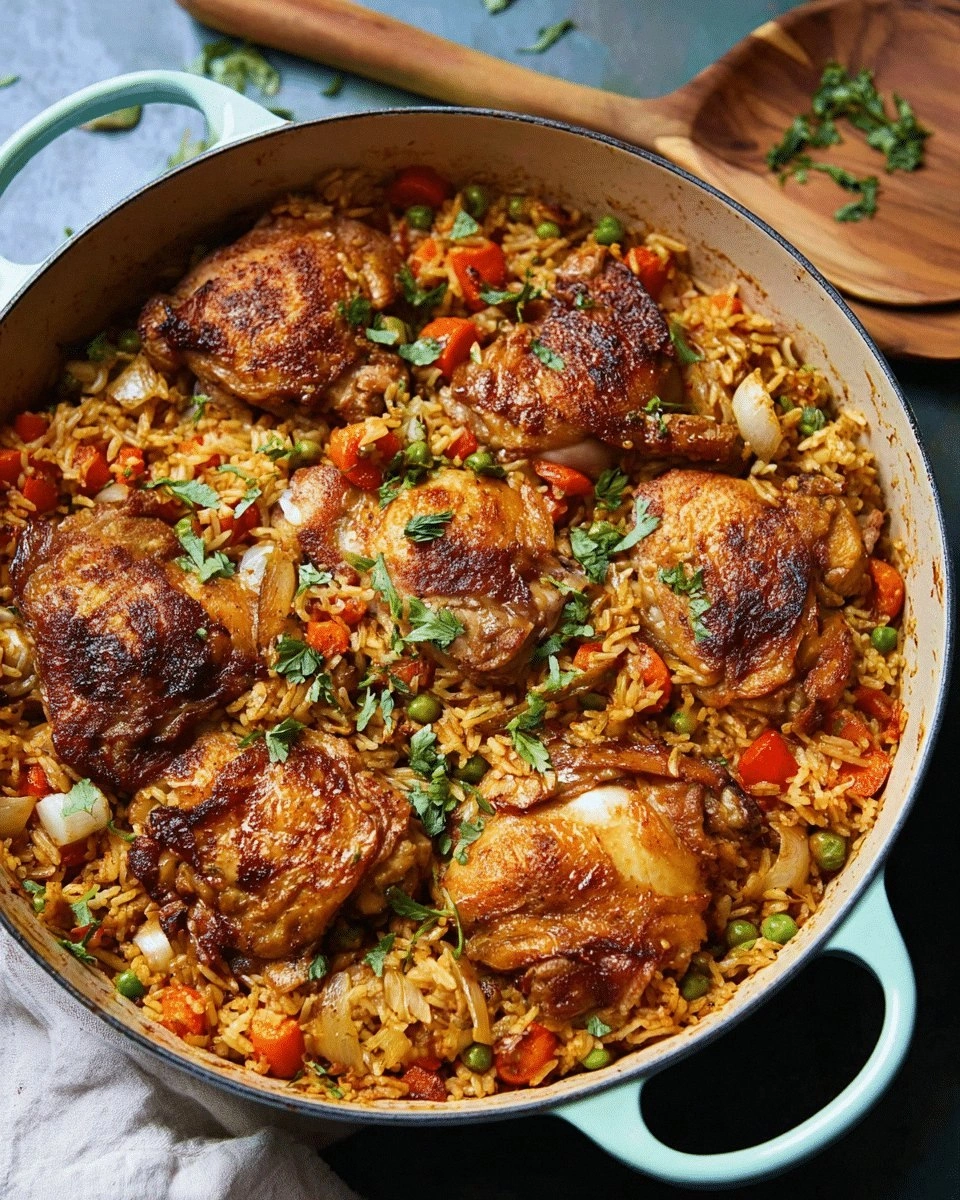
Picture this: a deep, earthy aroma of sautéed onions and garlic that rises from the pot, a golden crust forming on the chicken thighs that crackles softly when you lift a piece, the gentle steam swirling like a fragrant cloud. The sound of the rice simmering is a rhythmic lullaby, while the first spoonful hits your tongue with a velvety blend of herbs and broth. The texture is a delightful contrast—crisp skin, tender meat, and a fluffy, pillowy grain that refuses to clump. The sight of the finished dish, a glossy, jewel‑tinted mound of rice topped with bright parsley, feels like a culinary victory.
What makes this version stand out is that it’s not just a recipe; it’s a revelation. The secret lies in the balance of flavors and the precise timing that lets the rice absorb the broth without becoming mushy. The chicken stays juicy, thanks to a slow sear that locks in moisture, while the broth’s depth is enhanced by a splash of lemon that cuts through richness. The result is a dish that feels both comforting and sophisticated, a one‑pot wonder that saves time without sacrificing taste.
I dare you to taste this and not go back for seconds, because the moment the first bite hits your palate, you’ll realize the difference between a mediocre casserole and a masterpiece. The technique that sets this apart is a simple but game‑changing trick: sear the chicken at a high heat before simmering, which creates a caramelized crust that adds a layer of flavor you can’t get from a slow‑cook alone. You’ll see that the rice, once it absorbs the liquid, retains a subtle chew that feels like a whisper of adventure.
If you’ve ever struggled to get the right texture from a Dutch oven, you’re not alone—and I’ve got the fix. Stay with me as I walk you through every single step, because by the end, you’ll wonder how you ever made it any other way. Picture yourself pulling this out of the oven, the whole kitchen smelling incredible, and the table already set for a feast that feels like a warm hug. Let’s dive in.
What Makes This Version Stand Out
- Flavor: The combination of smoked paprika, thyme, and a splash of lemon creates a layered profile that dances on the tongue. Each spice is toasted just enough to release its oils, turning the broth into a savory elixir that permeates every grain of rice.
- Texture: The chicken’s skin crisps to a caramelized finish while the meat remains buttery tender. The rice stays fluffy and separate, thanks to a precise ratio of liquid and a short, high‑heat sear.
- Simplicity: All ingredients are common, and the method requires minimal hands‑on time. You can set it up and let the Dutch oven do the heavy lifting while you attend to other tasks.
- Uniqueness: The addition of a bright citrus twist lifts the dish, giving it a fresh edge that sets it apart from standard one‑pot meals.
- Crowd Reaction: Friends who’ve tried this rave about the crispy skin and the “rice that’s not mushy” comment, making it a crowd‑pleaser for parties and family dinners alike.
- Ingredient Quality: Using bone‑in, skin‑on thighs ensures maximum flavor, while fresh herbs and a good broth elevate the dish beyond the ordinary.
- Cooking Method: The Dutch oven’s heat retention allows for even cooking and a caramelized finish that you can’t achieve in a skillet.
- Make‑ahead Potential: The dish keeps well in the fridge or freezer, and reheats to perfection without losing its moisture or flavor.
Alright, let’s break down exactly what goes into this masterpiece…
Inside the Ingredient List
The Flavor Base
The foundation of this dish is a symphony of aromatics that starts with onion and garlic sautéed in olive oil until translucent and fragrant. These ingredients release their sugars, creating a subtle sweetness that balances the savory broth. Adding smoked paprika during this stage caramelizes its earthy notes, giving the dish a hint of smokiness that lingers. Thyme, introduced early, permeates the liquid, infusing the rice with a herbaceous depth that feels both rustic and refined. Without this base, the dish would lack the complex flavor profile that makes it memorable.
The Texture Crew
The rice is the hero that holds the dish together, but it’s the technique that makes it stand out. Rinsing the grains removes excess starch, preventing clumping and ensuring each bite remains light. The ratio of liquid to rice is critical; too much broth will produce soggy grains, while too little will leave them undercooked. A quick sear of the chicken thighs before simmering locks in juices and creates a caramelized crust that adds crunch. This contrast between the soft interior and crispy exterior is what keeps diners coming back for seconds.
The Unexpected Star
Lemon juice is the unsung hero that brightens the dish and cuts through the richness of the broth and chicken. A tablespoon of fresh citrus is enough to lift the flavors without overpowering them, creating a fresh finish that feels like a breath of air. If you prefer a more subtle citrus note, substitute half a lemon with a splash of white wine. The acidity also helps tenderize the meat, ensuring the thighs stay succulent. This small addition transforms an ordinary meal into something truly special.
The Final Flourish
Garnishing with fresh parsley not only adds a splash of color but also introduces a bright, herbaceous note that cuts through the dish’s richness. The parsley’s slightly peppery flavor balances the smoky paprika and the citrus, creating a harmonious finish. A drizzle of olive oil over the top just before serving adds a silky sheen that invites you to dig in. This final touch elevates the dish from comforting to celebratory, making it suitable for both casual and special occasions. Everything’s prepped? Good. Let’s get into the real action…
The Method — Step by Step
- Heat the Dutch oven over medium‑high heat and add 2 tablespoons of olive oil. Once the oil shimmers, place the chicken thighs skin‑side down and sear them for about 4 minutes until the skin turns a deep amber. Flip the thighs and sear the other side for 3 minutes, creating a caramelized crust that locks in juices. Remove the chicken from the pot and set aside; this step is the foundation for flavor.
- Reduce the heat to medium and add the diced onion, carrot, and celery. Sauté for 5 minutes until the vegetables soften and the onion turns translucent, releasing their natural sweetness. This mirepoix forms the aromatic base that will infuse the rice and broth. The smell of the vegetables cooking is an early sign that the dish is on the right track.
- Add the minced garlic, smoked paprika, and dried thyme to the pot, stirring constantly for 30 seconds. The spices should toast slightly, releasing their oils and creating a fragrant cloud. This is the moment of truth—if the aroma is lacking, you’re missing the depth that defines this dish.
- Pour in the chicken broth, scraping the bottom of the pot to release any browned bits. These fond bits are flavor gold and will enrich the broth. Return the seared chicken thighs to the pot, nestling them into the liquid. The bay leaf is added now, adding a subtle herbal note that complements the thyme.
- Bring the mixture to a gentle boil, then reduce the heat to low. Cover the Dutch oven with its lid and let the dish simmer for 25 minutes. During this time, the rice will absorb the broth, and the chicken will become tender. Check the liquid level after 15 minutes; if it’s too low, add a splash of water to keep the rice from drying out.
- After the 25 minutes, remove the lid and stir the rice gently to separate the grains. This prevents clumping and ensures an even texture. Let the dish continue to simmer uncovered for 5 minutes, allowing the liquid to reduce slightly and the flavors to concentrate.
- Stir in the fresh lemon juice, which brightens the dish and cuts through the richness. The acidity will also help the rice retain its fluffy texture. Taste the broth and adjust salt and pepper to your preference; this final seasoning step is crucial for balance.
- Remove the bay leaf, sprinkle chopped parsley over the top, and give the pot a final gentle stir. The parsley adds a fresh burst of color and a slight peppery note that lifts the overall flavor profile. Serve the dish hot, spooning the tender chicken and aromatic rice onto a platter for a satisfying meal.
That’s it — you did it. But hold on, I've got a few more tricks that will take this to another level. Let’s dive into the insider tips that will make your dish flawless every time.
Insider Tricks for Flawless Results
The Temperature Rule Nobody Follows
Many cooks set the oven to a high temperature for quick results, but the secret is a low, steady simmer. A gentle heat allows the broth to infuse the rice without overcooking it. If you’re using a stovetop Dutch oven, keep the flame low and let the pot work its magic. This method keeps the chicken juicy and the rice fluffy.
Why Your Nose Knows Best
Your sense of smell is a reliable indicator of doneness. When the broth begins to thicken and the rice emits a nutty aroma, it’s time to remove the lid. A well‑cooked dish will have a subtle caramel scent from the seared chicken. Trust your nose, and you’ll avoid the dreaded under‑cooked rice.
The 5‑Minute Rest That Changes Everything
Letting the dish rest for five minutes after removing it from heat allows the flavors to settle. The rice will absorb any remaining liquid, creating a more cohesive texture. During this pause, the chicken’s juices redistribute, ensuring every bite is moist. This simple step often makes the difference between good and great.
The Secret to Crispy Skin
Dry the chicken skin thoroughly before searing; moisture is the enemy of crispiness. Patting the thighs with a paper towel removes excess water, allowing the skin to caramelize. If you’re short on time, a quick pat with a clean towel works wonders. The result is a golden crust that adds a delightful crunch.
The Perfect Broth Balance
Using a low‑sodium broth gives you control over the final seasoning. You can add salt in stages, tasting as you go. If you prefer a richer broth, replace half of the chicken stock with a splash of white wine. This adds depth without overwhelming the dish.
The Final Touch: Parsley
Fresh parsley adds a bright, herbaceous note that cuts through the richness. Sprinkle it just before serving to maintain its color and freshness. A pinch of lemon zest can also be added for an extra burst of citrus. These finishing touches elevate the dish from comforting to celebratory.
Creative Twists and Variations
This recipe is a playground. Here are some of my favorite ways to switch things up:
Smoky Chipotle Chicken
Replace smoked paprika with chipotle powder for a smoky, slightly spicy flavor. Add a pinch of cumin to deepen the earthiness. The result is a dish that feels like a smoky campfire dinner, perfect for cooler evenings.
Mediterranean Medley
Swap the bay leaf for a sprig of rosemary and add diced tomatoes to the pot. Use a blend of couscous and rice for a Mediterranean twist. The fresh tomato and rosemary create a bright, herbaceous profile that feels like a sunny balcony meal.
Asian‑Inspired Fusion
Add a splash of soy sauce and a teaspoon of ginger to the broth. Replace the rice with jasmine rice for a fragrant base. This variation gives the dish an umami kick and a subtle Asian flair.
Vegetarian Delight
Replace the chicken thighs with thick slices of tofu or seared tempeh. Use vegetable broth instead of chicken stock. The tofu absorbs the spices beautifully, creating a hearty vegetarian option that still feels comforting.
Coconut Creamy Variation
Swap half the chicken broth for coconut milk to add a creamy, tropical note. Add a handful of shredded coconut for extra texture. This version is a sweet, savory treat that feels like a beach vacation.
Herb‑Infused Rice
Add a handful of chopped fresh basil and oregano to the rice as it cooks. This gives the dish a Mediterranean herb flavor that pairs beautifully with the chicken. The result is a vibrant, aromatic plate that feels like a garden on a plate.
Storing and Bringing It Back to Life
Fridge Storage
Cool the dish completely before transferring it to an airtight container. Store in the refrigerator for up to three days. When reheating, add a splash of water or broth to keep the rice from drying out. The dish retains its flavor and texture, making it a convenient meal prep option.
Freezer Friendly
Pack the chicken and rice separately in freezer‑proof containers. Freeze for up to two months. To reheat, thaw overnight in the fridge or use a defrost setting on your microwave. The dish will reheat evenly, preserving the crispness of the chicken and the fluffiness of the rice.
Best Reheating Method
Reheat the dish in a Dutch oven or a covered skillet over low heat, adding a splash of water or broth to create steam. Stir occasionally to ensure even heating. This method preserves moisture and enhances the flavors, making the dish feel as fresh as when it was first cooked.