
I swear, the first time I tried to make German potato pancakes I ended up with a pan‑filled disaster that looked more like a burnt carpet than a golden‑brown masterpiece. The smell? Think “burnt rubber meets burnt toast” – a scent that made my cat sprint out of the kitchen and my family swear off breakfast for a week. That night I swore on my favorite spatula that I would never surrender to a flat‑topped, soggy slab again, and I started digging into the archives of my grandmother’s handwritten “secret” recipes. What I discovered was a simple, almost “sci‑fi” technique that turned a humble potato into a crisp‑tipped, airy treasure that melts in your mouth like snow on a hot summer day.
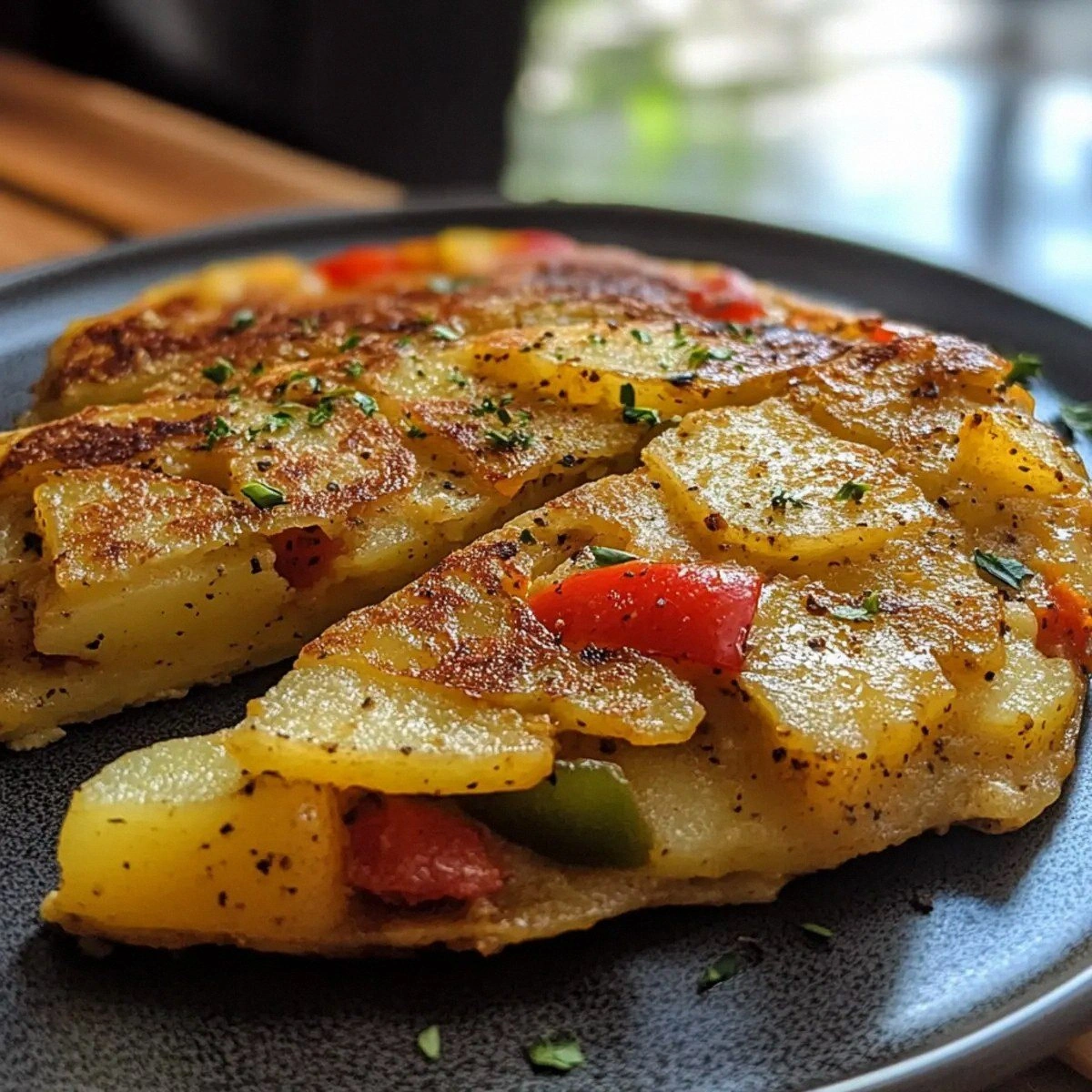
Picture this: the first pancake slides into a hot pan, and the moment it hits, a sizzling symphony eruves, like a tiny fireworks display for your taste buds. The kitchen fills with the warm, earthy perfume of potatoes mingled with a whisper of onion and a hint of garlic, while the golden edges start to curl and crack just enough to promise that first bite will be a text‑tacular “crackle‑pop.” When you finally slice into one, the interior is soft, fluffy, and buttery, while the exterior is a crisp that shatters like thin ice under a heel. It’s the kind of dish that makes you pause mid‑step, stare at the pan, and think, “Did I just create a new religion?”
Most versions of this classic either drown the potatoes in a swamp of oil or leave them too dry, resulting in a texture that’s either greasy or rubbery. This version, however, uses a gentle hand‑squeezed potato dribble that preserves moisture, a touch of flour for structure, and a secret “rest‑and‑drain” step that guarantees a crisp that survives even the most enthusiastic fork dive. The result? A side‑dish that will have your friends begging for the “secret” and your family begging for the second batch. I dare you to taste this and not go back for seconds – it’s that good.
And here’s the kicker: while most recipes swear by a massive amount of oil, I’m going to show you how to achieve the same “deep‑fry” effect with just a handful of oil, thanks to a clever pan‑searing technique and a little patience. This is the moment where the magic starts, and I’m going to walk you through every single step — by the end, you’ll wonder how you ever made it any other way.
⚡ What Makes This Version Stand Out
- Taste: The subtle sweetness of the onion balances the earthiness of the potatoes, while the garlic adds a whisper of depth that isn’t overpowering. It’s a flavor profile that feels familiar yet surprisingly sophisticated.
- Texture: The interior stays light and airy because the potatoes are grated and then squeezed, preserving moisture without drowning the mix in liquid. The exterior achieves a crisp that shatacks like a freshly fried potato chip.
🍋 Inside the Ingredient List
The Flavor Base
Yellow Onion: This small yellow onion provides a gentle, sweet foundation that doesn’t overpower the potato. Its mild sharpness becomes mellow when sautéed, creating a depth that feels like a warm hug for your palate. If you skip it, you’ll lose that subtle sweetness and the dish will feel a bit flat. As a swap, you can use a shallow‑diced shallshall, but the onion’s moisture is key for the right texture.
The Aromatic Boost
Gargaric: Two cloves of garlic are all you need to add a whisper of savory depth without turning the pancakes into a garlic loaf. When minced and mixed into the batter, the garlic releases its oil, which contributes to the overall crispness. Skipping it will make the flavor profile milder, but if you’re a garlic lover, feel free to add a third clove for a bolder kick.
The Texture Crew
Russet Potatoes: The star of the show! Russets are high‑starch, which means they break down nicely when shredded, creating a fluffy interior. They also release a little starch that helps bind the mixture without needing a lot of flour. If you can’t find Russet, a mix of Yukon Gold and a touch of potato starch will work, but you’ll lose some of that airy interior.
Flour: One cup of all‑purpose flour provides the structure that holds the shredded potatoes together. It absorbs the released moisture and creates a gentle “net” that ensures the pancakes stay intact while still allowing the interior to stay soft. Using a gluten‑free flour blend will change the texture dramatically, turning the pancakes more brittle.
The Binding Duo
Eggs: Two large eggs act as the binder that locks everything in place. They also add a touch of richness that elevates the overall mouthfeel. If you’re looking for a vegan version, try a mixture of flaxseed “egg” and a tablespoon of potato starch, but be prepared for a slightly different texture.
Salt: One teaspoon of salt seasons the entire mixture, enhancing the natural potato flavor and balancing the onion’s sweetness. Skipping salt will leave the pancakes tasting dull, while a pinch more can bring out a deeper, more complex flavor.
The Golden Touch
Oil: A modest 3‑4 tablespoons of oil is all you need to achieve that deep‑fry crust without drowning the potatoes. Use a high‑smoke‑point oil like canola, grap oil, or even clarified butter for extra flavor. If you use too little, the edges won’t achieve the coveted crisp; too much and you’ll lose the “shallow‑fry” benefits.
Everything's prepped? Good. Let's get into the real action...

🔥 The Method — Step by Step
Step 1 – Prep the Potatoes: Peel the three large Russet potatoes and shred them using a box‑grater or food‑processor. As soon as they hit the bowl, the starch begins to release, turning the shredded shreds a slightly cloudy white. This is where the “sizzle” will start later, so don’t skip the next step.
🪄 Kitchen Hack: After shredding, place the potatoes in a large bowl of cold water for 2 minutes, then drain and pat dry. This removes excess starch that can make the pancakes gummy.Step 2 – Squeeze & Drain: Transfer the shredded potatoes into a clean kitchen towel, gather the corners, and wring out as much liquid as you can. The more liquid you extract, the sharper the final crust will be. Feel the cloth become heavier as the potatoes surrender their moisture – that’s the first sign you’re on the right path.
Step 3 – Mix the Base: In a large mixing bowl, combine the shredded potatoes, one small yellow onion (grated on the same side as the potatoes), and the two minced garlic cloves. Toss everything together, then add the two large eggs, one cup of flour, and one teaspoon of salt. Mix until just combined; you don’t want to over‑mix, or you’ll lose the airy texture.
Step 4 – Rest the Batter: Let the mixture rest for 15 minutes. This pause allows the flour to hydrate and the potatoes to release any remaining moisture, creating a tighter “soda‑pop” of a batter. While you wait, you can start heating the pan – this is where the magic begins.
Step 5 – Heat the Pan: Heat a large skillet over medium‑high for about 2 minutes, then add a generous drizzle of oil (about 1‑2 t sp per side). When a drop of water skitters across the surface and evaporates instantly, you’re ready. That sizzling moment? Chef’s kiss.
Step 6 – Shape & Shallow‑Fry: Scoop a handful of batter (about a quarter‑cup) and flatten it gently with the back of the spatula, forming a pancake roughly ½ inch thick. Place it in the hot oil; you should hear a sharp “sizzle” that screams “we’re about to get crispy.” Let it cook undisturbed for 3‑4 minutes, or until the edges turn golden and start pulling away from the pan.
👀 Watch Out: If the pan is too hot, the exterior will burn before the interior cooks through. Adjust the heat to medium‑medium if the first side burns faster than you anticipate.Step 8 – Drain & Rest: Transfer the finished pancakes onto a plate lined with paper towels to absorb excess oil. Let them rest for a minute; this pauses the steam and preserves the crispness. If you’re making a batch, keep the finished ones warm in a low‑heat oven (around 200 °F) while you finish the rest.
Step 9 – Serve Immediately: Serve the pancakes hot, topped with a dollop of sour‑cream, applesauce, or a drizzle of apple‑cider reduction. The contrast of the hot, crisp pancake with the cool, tangy topping is the final touch that turns a side dish into a star.
Step 7 – Flip with Confidence:
That's it — you did it. But hold on, I've got a few more tricks that'll take this to another level...
🏆 Insider Tips for Flaw ‑ All Results
The Temperature Rule Nobody Follows
Most people think “high heat = faster cooking,” but with these pancakes you need a moderate‑high temperature that stays steady. If the oil is too hot, the exterior will become a blackened lacquer while the interior stays raw. The sweet spot is around 350 °F (175 °C) – you can test it by dropping a tiny spoon‑ful of batter; it should sizzle gently and start bubbling within 2 seconds. My friend tried a “hot‑as‑hell” approach once and ended with a pile of blackened mush. Trust the thermometer and you’ll get that perfect golden‑brown hue every time.
Why Your Nose Knows Best
When the first side is ready, you’ll notice a subtle shift in the aroma – the smell will become more toasted, like a bakery’s first loaf of bread. That is your cue to flip. If you’re still seeing raw potato scent, give it a minute longer. The nose is an underrated kitchen tool; trust it more than the clock.
The 5‑Minute Rest That Changes Everything
After you’ve mixed the batter, let it sit for exactly 15 minutes. This rest allows the flour to absorb the moisture from the potatoes, tightening the mixture and preventing the pancakes from falling apart in the pan. I once skipped this step because I was “in a hurry,” and the result was a flat, mushy patty that fell apart as soon as I tried to flip it. The rest is the silent hero of this recipe.
Oil‑Scented Spoon Test
Before adding the first batch, dip a spoon into the oil and watch how quickly it starts to bubble. If it bubbles immediately, the oil is too hot; if it takes a few seconds, you’re in the sweet spot. This test is quicker than pulling out a thermometer and guarantees a consistent start.
Pat‑Pat‑Pat for Moisture
After squeezing the potatoes, pat them again with a second towel for an extra 30 seconds. This double‑drain technique ensures the highest possible moisture loss, which translates into a crispier final product. It might feel like a lot of “squeezing,” but trust me, the payoff is worth the extra hand‑gym.
🎨 Creative Twists & Variations
This recipe is a playground. Here are some of my favorite ways to switch things up:
Apple‑Cinnamon Swirl
Add one grated apple and a half‑teaspoon of ground cinnamon to the batter. The apple adds a sweet‑tangy moisture that pairs beautifully with a drizzle of maple syrup. Perfect for a cozy autumn brunch.
Herb‑Infused Delight
Mix in a tablespoon of fresh chopped parsley and a teaspoon of dried dill. The herbs introduce a fresh, grassy note that pairs nicely with a lemon‑y yogurt sauce. Ideal for spring brunch or a light lunch.
Cheddar‑Burst
Stir in a half‑cup of shredded sharp cheddar into the batter. The cheese melts into the interior, creating pockets of gooey goodness that contrast with the crisp exterior. Serve with a dollop of hot sauce for a tangy kick.
Spiced Sweet Potato
Replace half of the Russet potatoes with sweet potato. Add a pinch of smoked paprika and a dash of cumin. The result is a sweet‑savory pancake that looks orange‑gold and tastes like a holiday treat.
Zuc — Roll
Swap one potato for an equal amount of grated zucchini, squeezed dry. The zucchini adds moisture and a subtle green hue, while the potato still provides the needed starch. This version is lighter and perfect for a summer brunch.
❄️ Storing & Bringing It Back to Life
Fridge Storage
Place cooled pancakes in an airtight container lined with paper‑towel to absorb any lingering oil. They’ll stay good for up to 3 days, though they lose some crispness.
Freezer Friendly
Lay the cooled pancakes on a parchment‑lined tray and freeze for 2‑hour until solid. Transfer them to a zip‑top bag, label, and store for up to 2 months. This prevents them from sticking together.
Best Reheating Method
To revive the crisp, heat a skillet over medium‑high, add a teaspoon of oil, and pan‑fry each side for 1‑2 minutes. For a quicker method, spray a light mist of water onto the pan before reheating; the steam will steam‑back the interior while the oil restores the crust.