
I still remember the night I almost burned the kitchen down while trying to impress my roommate with a fancy dinner. I was armed with a recipe I’d found on a food forum, a handful of ingredients, and an over‑eager confidence that I could handle any culinary curveball. The pot was bubbling, the onions were turning a golden brown, and my stove was screaming louder than my roommate’s phone. The next thing I knew, the air was thick with a burnt aroma, and my confidence had taken a sharp dive. That disaster became the catalyst for a culinary revelation that I’m about to share with you.
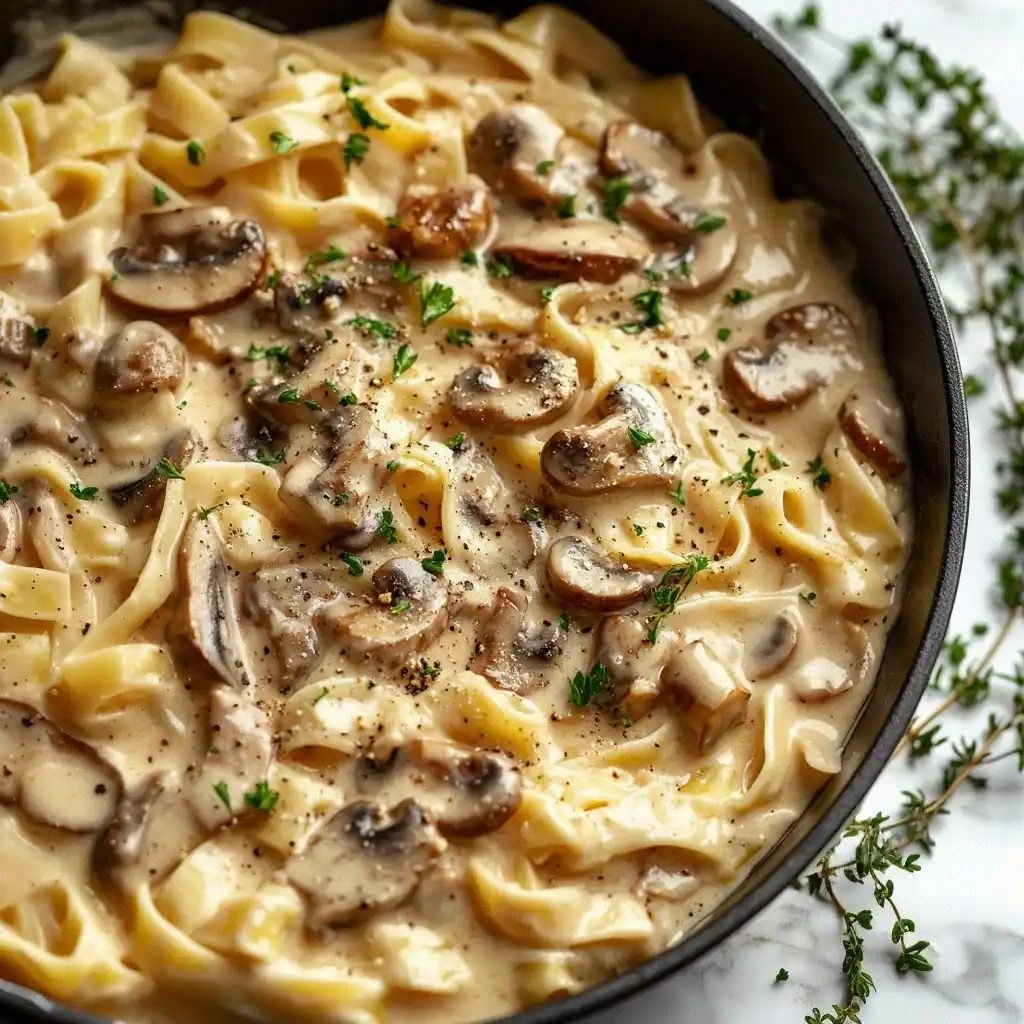
Fast forward to a Saturday afternoon, I was craving something rich, comforting, and utterly irresistible. I pulled out a bag of mushrooms, a bottle of heavy cream, and a jar of Worcestershire sauce from my pantry, and the idea hit me like a lightning bolt: a mushroom stroganoff that would make even the most skeptical of diners swoon. I dared myself to create a version that would make me say, “I dare you to taste this and not go back for seconds.” And I won. The sauce, with its silky, velvety texture, clung to each strand of pasta like a warm blanket. The subtle smokiness from the paprika added depth, while the fresh parsley lifted the dish with a bright, herbal note.
What makes this version stand out from the countless variations you’ll find online? It’s the meticulous layering of flavors, the careful balance of textures, and the simple yet effective technique that ensures every bite is a revelation. I’ve spent countless hours tweaking the ratios, testing different mushroom varieties, and experimenting with the finish. The result is a dish that’s hands down the best version you’ll ever make at home, and I’m going to walk you through every single step so you can replicate that magic.
Picture yourself pulling this out of the pot, the whole kitchen smelling incredible, the steam curling like wisps of cloud. Imagine the first bite: the pasta is al dente, the sauce coats it like velvet, and the mushrooms provide a satisfying umami punch. That sizzle when it hits the pan? Absolute perfection. And if you’ve ever struggled with a sauce that turns out too thin or too thick, you’re not alone — and I’ve got the fix. So, let’s dive into the details and bring this creamy mushroom stroganoff to life.
What Makes This Version Stand Out
- Flavor Depth: The combination of Dijon mustard, Worcestershire sauce, and smoked paprika creates a layered, savory profile that goes beyond a simple mushroom sauce.
- Texture Play: The use of both all-purpose flour and heavy cream gives the sauce a silky body while still allowing the mushrooms to retain their bite.
- Ingredient Quality: Fresh, high‑quality mushrooms are the star; using a mix of shiitake, cremini, and oyster adds complexity.
- Time Efficiency: The method takes less than 45 minutes from start to finish, making it a go‑to for busy weeknights.
- Versatility: Works beautifully with any pasta shape—spaghetti, fettuccine, or penne—and can be adapted to gluten‑free or low‑fat versions.
- Make‑Ahead Potential: The sauce can be prepared ahead of time, chilled, and reheated without losing its creamy integrity.
- Crowd‑Pleaser: Whether you’re feeding a family or entertaining guests, the dish receives rave reviews and often leaves leftovers.
- Visual Appeal: The glossy sauce and vibrant green peas or spinach give the plate a striking contrast that’s Instagram‑ready.
Alright, let’s break down exactly what goes into this masterpiece…
Inside the Ingredient List
The Flavor Base
The foundation of any great sauce starts with aromatics. The medium onion brings a subtle sweetness that balances the earthy mushrooms, while the garlic adds a punch of savory depth. If you’re allergic to garlic or prefer a milder taste, you can reduce the cloves to two and let the onion carry the bulk of the flavor.
The Texture Crew
Butter and flour are the unsung heroes that give the sauce its body. The butter melts into the onions, creating a buttery base that carries the flavors, while the flour acts as a roux, thickening the sauce without making it clumpy. Skipping the flour will result in a thin, watery sauce that won’t cling to the pasta.
The Unexpected Star
The mushrooms are the real showstopper. Use a blend of fresh, high‑quality varieties like shiitake, cremini, and oyster to bring complexity to the dish. If you’re in a pinch, canned mushrooms can work, but they’ll lose some of the umami intensity.
The Final Flourish
Sour cream, heavy cream, and a splash of smoked paprika elevate the sauce to a new level of decadence. The sour cream adds tang, the heavy cream brings richness, and the paprika provides a subtle smoky undertone. If you’re watching your calorie intake, replace the heavy cream with half‑fat milk and add a tablespoon of Greek yogurt for creaminess.
Everything’s prepped? Good. Let’s get into the real action…
The Method — Step by Step
- Bring a large pot of salted water to a rolling boil. Add the pasta and cook until al dente, about 8 minutes. Reserve a cup of pasta water before draining. The pasta should still have a slight bite, and the water should be boiling vigorously, not just simmering.
- While the pasta cooks, melt the butter in a large skillet over medium heat. Add the diced onion and sauté until translucent and fragrant, about 5 minutes. The onions should be soft and slightly caramelized, not browned.
- Add the minced garlic and cook for 30 seconds, just until aromatic. Be careful not to let it burn; garlic burns quickly and turns bitter. The aroma should fill the kitchen and make your mouth water.
- Introduce the sliced mushrooms to the skillet. Cook, stirring frequently, until they release their juices and start to brown, about 7 minutes. The mushrooms should be golden brown on the edges, not raw or soggy.
- Stir in the flour and cook for 1 minute to eliminate the raw flour taste. The mixture should look slightly thickened and glossy, indicating a proper roux has formed.
- Pour in the vegetable broth, Dijon mustard, and Worcestershire sauce, whisking constantly to avoid lumps. Let the sauce simmer until it thickens and reduces slightly, about 4 minutes. The sauce should coat the back of a spoon and have a rich, glossy sheen.
- Watch Out: When adding the broth, keep the heat moderate. A rolling boil can cause the sauce to separate; a gentle simmer keeps the emulsion intact.
- Reduce the heat to low and stir in the heavy cream, sour cream, and smoked paprika. Allow the mixture to heat through, but do not let it boil. The sauce should become silky and glossy, with a bright, even color.
- Add the peas or spinach, letting them wilt into the sauce. Season with salt and black pepper to taste. The greens should be bright and tender, not mushy.
- Kitchen Hack: If the sauce feels too thick, add a splash of reserved pasta water to reach your desired consistency. The starch in the water helps bind the sauce to the pasta.
- Toss the cooked pasta into the skillet, ensuring every strand is coated with the sauce. If needed, add a bit more pasta water to loosen the sauce and help it cling to the noodles. The pasta should be glossy, coated, and heated through.
- Remove from heat, sprinkle fresh parsley over the top, and serve immediately. The parsley adds a burst of color and a fresh, herbal note that cuts through the richness.
That’s it — you did it. But hold on, I’ve got a few more tricks that will take this to another level…
Insider Tricks for Flawless Results
The Temperature Rule Nobody Follows
Maintaining a low simmer after adding the dairy components is crucial. If the sauce boils, the cream will curdle, and the texture will become grainy. Keep the heat low, and let the sauce gently bubble for 2 minutes before serving. I’ve learned the hard way that a quick boil can ruin even the best sauce.
Why Your Nose Knows Best
Smell the sauce as it cooks. If you notice a faint, burnt odor, it’s time to reduce the heat or stir more frequently. The aroma should be rich, mushroomy, and slightly sweet from the caramelized onions.
The 5-Minute Rest That Changes Everything
After tossing the pasta with the sauce, let the dish sit covered for 5 minutes off the heat. This rest period allows the pasta to absorb the flavors fully and the sauce to thicken slightly. The result is a more cohesive, mouth‑watering bite.
The Secret of Fresh Parsley
Use a handful of fresh parsley instead of dried. Fresh parsley adds a bright, slightly peppery finish that balances the richness of the sauce. If you’re in a hurry, a tablespoon of dried parsley works, but it won’t provide the same color pop.
The Perfect Portion Control
Serve the pasta in bowls that are wide enough to hold the sauce. A shallow bowl allows the sauce to coat the pasta evenly, while a deep bowl can make it difficult to scoop up every strand. I’ve found that a 12‑inch bowl strikes the perfect balance.
Creative Twists and Variations
This recipe is a playground. Here are some of my favorite ways to switch things up:
Rustic Wild Mushroom Edition
Swap the standard mushrooms for a medley of wild varieties like chanterelles, morels, and porcini. The earthy, forest notes will transform the dish into a gourmet experience that pairs wonderfully with a glass of red wine.
Spicy Jalapeño Kick
Add sliced jalapeños or a dash of sriracha to the sauce for a fiery twist. The heat will complement the smoky paprika, creating a layered flavor profile that’s both bold and balanced.
Herb‑Infused Cream
Infuse the heavy cream with thyme or rosemary by simmering the herbs in the cream before adding it to the sauce. Strain the herbs out, and you’ll have a subtly flavored cream that adds depth without overpowering.
Gluten‑Free Pasta Alternative
Use a gluten‑free pasta such as rice or quinoa pasta to make the dish suitable for gluten‑sensitive diners. The texture will be slightly different, but the sauce will cling beautifully to the noodles.
Low‑Fat Light Version
Replace the butter with olive oil, cut the heavy cream in half, and use Greek yogurt instead of sour cream. The result is a lighter dish that still delivers on flavor, making it a great option for those watching their calorie intake.
Storing and Bringing It Back to Life
Fridge Storage
Store leftovers in an airtight container in the refrigerator for up to 3 days. Reheat on the stovetop over low heat, adding a splash of water or milk to loosen the sauce, and stir until heated through. The sauce will retain its creamy texture if you add a small amount of fresh cream before serving.
Freezer Friendly
Freeze the sauce in a freezer‑safe container for up to 2 months. Thaw overnight in the refrigerator, then reheat gently, stirring frequently. If the sauce separates, whisk in a tablespoon of cold water to bring it back together.
Best Reheating Method
The best way to reheat this dish is on the stovetop over low heat, stirring constantly. Add a small splash of water or broth to restore the sauce’s silky consistency. Avoid microwaving, as it can cause the sauce to curdle.