
Love this? Pin it for later! 📌
I still remember the first time I made risotto. I was 23, living in a tiny studio apartment with a temperamental stove and exactly one good wooden spoon. My grandmother had sent me a care package with Arborio rice, dried porcini mushrooms, and a note that simply said, "Make this when you need a hug from the inside out." That night, I stirred and stirred, watching the rice transform from hard grains into something luxuriously creamy. The smell of mushrooms sautéing in butter filled my apartment, and for the first time since moving to the city, I felt truly at home.
Now, fifteen years later, this risotto has become my January ritual. When the post-holiday blues hit and the nights stretch long and cold, there's something meditative about standing at the stove, slowly stirring ladles of warm broth into rice. It's not just dinner—it's therapy in a pot. The earthy mushrooms, nutty Parmesan, and creamy rice create something far greater than the sum of their parts. This isn't restaurant food; this is the kind of meal that makes your shoulders drop and your breathing slow. The kind that turns a regular Tuesday into something worth remembering.
Why This Recipe Works
- The Rice: Arborio's high starch content creates natural creaminess without any heavy cream needed
- Triple Mushroom Power: Using three types of mushrooms gives incredible depth and umami complexity
- Warm Broth Method: Keeping the stock hot prevents temperature shock and ensures even cooking
- The Stirring Technique: Slow, gentle stirring releases starch gradually for perfect texture
- Fresh Parmesan: Grating your own Parmigiano-Reggiano makes a world of difference in flavor
- The Rest Period: Letting it sit for 5 minutes after cooking allows the starches to set perfectly
- Wine Selection: A good quality dry white wine adds bright acidity to balance the richness
Ingredients You'll Need
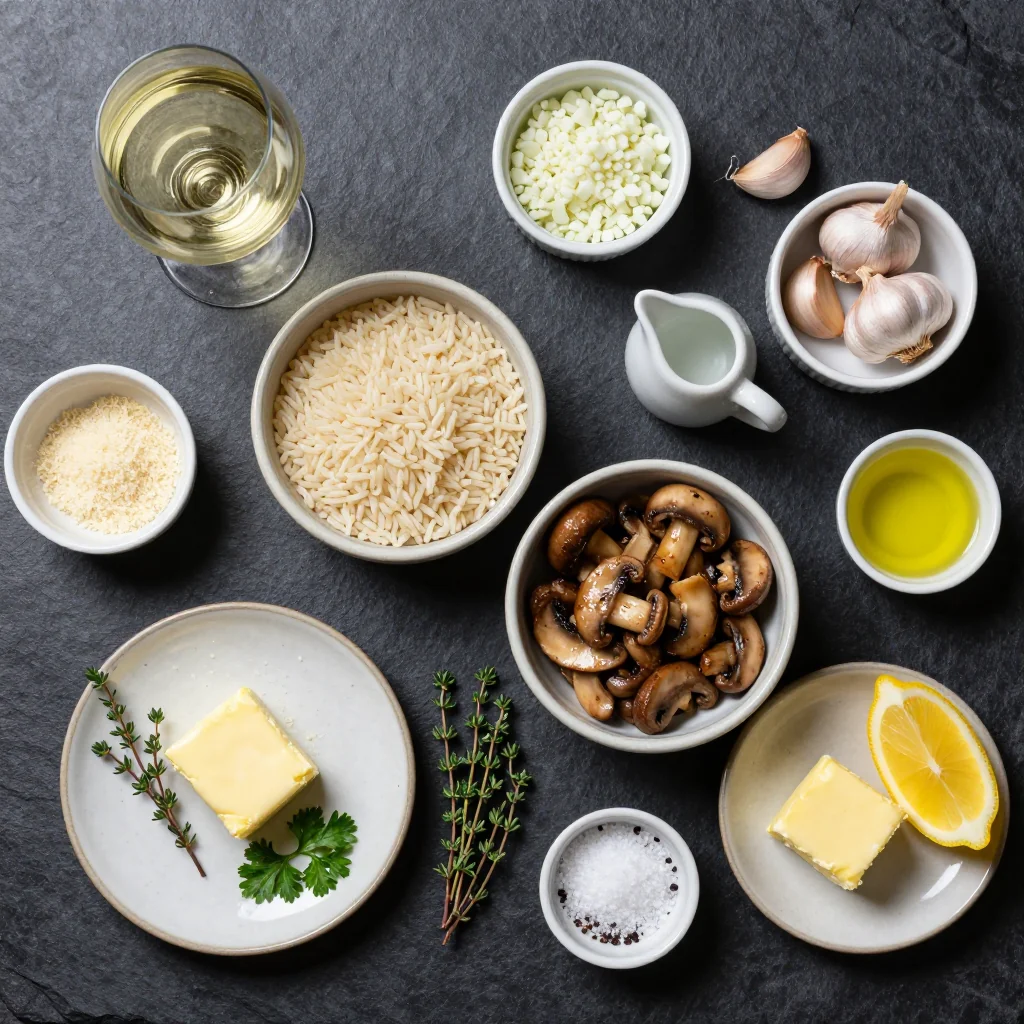
Let's talk ingredients, because in a dish this simple, quality really matters. Each component plays a crucial role in creating that restaurant-quality risotto we all crave. I've learned through years of experimentation that this isn't the place to cut corners or make substitutions unless absolutely necessary.
Arborio Rice - This short-grain Italian rice is non-negotiable. Its high amylopectin starch content is what creates that signature creamy texture. Look for rice that's pearly white and uniform in size. Avoid anything labeled "pre-cooked" or "quick-cooking." Store it in an airtight container in a cool, dry place, and try to use it within six months for the best results.
Mixed Mushrooms - I use a combination of cremini, shiitake, and dried porcini. Cremini gives you that classic mushroom flavor and meaty texture. Shiitakes add an earthy, almost smoky note. The dried porcini, rehydrated in warm water, provide an intense umami punch that takes this risotto to another level. When selecting fresh mushrooms, look for ones that are firm, with no dark spots or slimy areas.
Parmesan Cheese - Please, please grate your own. I know the pre-grated stuff is convenient, but it contains cellulose that prevents smooth melting and can give your risotto a grainy texture. A good Parmigiano-Reggiano, aged for at least 24 months, will have those crunchy protein crystals and a complex, nutty flavor that's worth every penny. Store the wrapped wedge in your crisper drawer.
Vegetable Stock - Homemade is ideal, but I understand that's not always realistic. If you're buying stock, look for low-sodium versions so you can control the seasoning. Warm stock is crucial here—cold stock will shock the rice and result in uneven cooking. I keep mine in a small saucepan on the back burner, maintaining a gentle simmer throughout the process.
White Wine - Use something you'd actually drink. A crisp Pinot Grigio or Sauvignon Blanc works beautifully. The wine adds acidity that brightens the whole dish and helps balance the richness of the cheese and butter. If you don't cook with alcohol, you can substitute with an equal amount of stock plus a tablespoon of lemon juice.
Shallots and Garlic - These aromatics form the flavor base. Shallots are milder than onions and melt beautifully into the rice. Fresh garlic, minced to a paste, adds depth without being overwhelming. The key is to cook them slowly until translucent, not browned, which would make them bitter.
Butter - European-style butter with higher fat content makes a difference here. The butter added at the end (called "montare" in Italian) gives the risotto its signature glossy finish. I use unsalted butter so I can control the salt levels throughout the cooking process.
How to Make Creamy Mushroom Risotto with Parmesan for Cozy January Nights
Prep and Rehydrate
Start by soaking your dried porcini mushrooms in 1 cup of hot water for 20 minutes. Once softened, remove the mushrooms with a slotted spoon and rinse them gently to remove any grit. Strain the soaking liquid through a coffee filter or paper towel-lined sieve to remove any sediment. This liquid is liquid gold—add it to your vegetable stock for an incredible umami boost. Chop the rehydrated porcini finely and set aside.
Heat Your Stock
In a medium saucepan, combine your vegetable stock with the strained porcini liquid and bring to a gentle simmer. Reduce heat to low and keep this warm throughout the cooking process. This is crucial—cold stock will interrupt the cooking process and result in uneven, mushy rice. I like to add a bay leaf and a few peppercorns to my stock for extra flavor, but this is optional.
Sauté the Mushrooms
Heat 2 tablespoons of olive oil in a large, heavy-bottomed pan over medium-high heat. When the oil shimmers, add your sliced mushrooms in a single layer. Don't overcrowd the pan—work in batches if necessary. Let them sear without stirring for 3-4 minutes until golden brown. Stir and continue cooking for another 2-3 minutes. Season with salt and pepper, then transfer to a plate. We'll add these back at the end to keep their texture perfect.
Build the Aromatics
In the same pan, reduce heat to medium and add 1 tablespoon of butter. When it foams, add the minced shallots. Cook for 2-3 minutes until translucent, then add the minced garlic and rehydrated porcini. Cook for another minute until fragrant but not browned. This is your flavor base—take your time here. The goal is to build layers of flavor, not rush the process.
Toast the Rice
Add the Arborio rice to the pan and stir to coat each grain with the butter and aromatics. Cook for 2-3 minutes, stirring constantly, until the edges of the rice become translucent. You'll hear a gentle clicking sound as the rice moves—this is called "tostare" in Italian and it's crucial for the final texture. Don't skip this step; it helps the rice maintain its structure during the long cooking process.
Deglaze with Wine
Pour in your white wine—it should sizzle and steam dramatically. Stir constantly, scraping up any browned bits from the bottom of the pan. Cook until the wine is almost completely absorbed but the mixture is still slightly loose. This step adds acidity that brightens the whole dish and helps lift any caramelized bits from the aromatics.
The Gradual Addition
Now comes the meditative part. Add your first ladle of warm stock (about ½ cup) and stir gently but constantly. You don't need to stir vigorously—think of it as a gentle coaxing motion. When most of the liquid is absorbed but the rice is still creamy, add another ladle. Repeat this process for about 18-20 minutes, keeping the rice just barely covered with liquid at all times.
Test for Doneness
After about 15 minutes, start testing your rice. Bite into a grain—you want it to be mostly tender with just a tiny hint of resistance in the very center (al dente). The risotto should flow like lava when you tilt the pan, neither too thick nor too soupy. If it seems dry, add a bit more stock. Remember, it will continue to thicken as it sits.
The Final Mounting
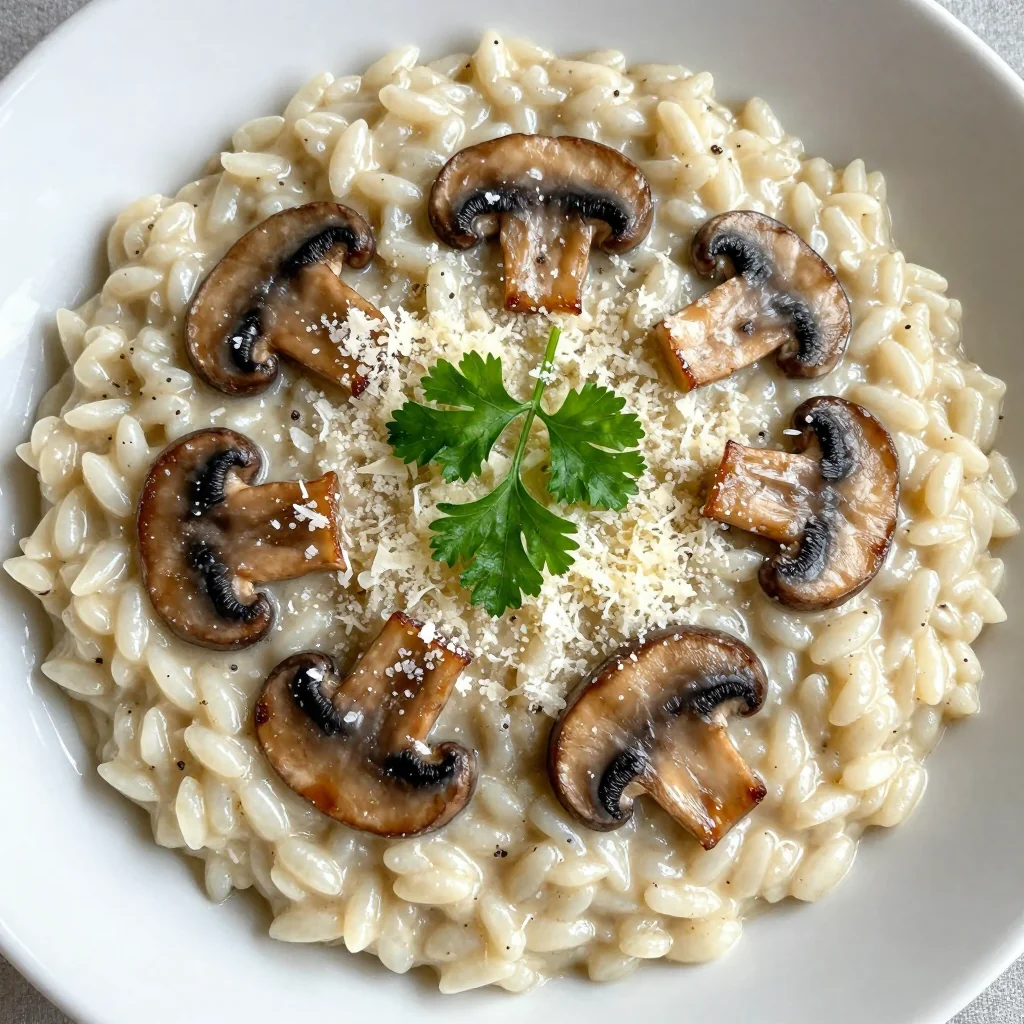
Remove the pan from heat and immediately add your cold butter cubes and grated Parmesan. Stir vigorously for 30 seconds—this is called "montare" and it creates that signature glossy finish. Add your sautéed mushrooms (reserve a few pretty ones for garnish) and chopped parsley. The risotto should be creamy and flow slowly when you tilt the pan. If it's too thick, add a splash of hot stock to loosen it.
Rest and Serve
Let the risotto rest for exactly 2 minutes—this allows the starches to set slightly. Spoon into warm bowls, drizzle with good olive oil, and garnish with the reserved mushrooms, extra Parmesan shavings, and a crack of black pepper. Risotto waits for no one, so serve immediately with a crisp green salad and a glass of the same white wine you cooked with.
Expert Tips
Temperature Control
Keep your stock at a gentle simmer, not a boil. Too hot and it'll cook the rice unevenly; too cool and the risotto will take forever. Think of it as a warm bath for your rice.
Timing is Everything
Risotto doesn't wait. Have everything prepped and your bowls warming in the oven (lowest setting) before you start. The entire process should take about 30 minutes once you begin adding stock.
Find Your Rhythm
Develop a stirring rhythm—count to 60, add stock, repeat. Some people like to stir constantly, others prefer the "pulse" method. Find what works for you and stick with it.
Stock Quality
Your stock is half the flavor. If you're using store-bought, enhance it by simmering with carrot, celery, onion, and herbs for 20 minutes. The difference is remarkable.
Don't Fear the Salt
Risotto needs salt at every stage. Season your mushrooms, season your stock, and taste the final dish. The rice absorbs a lot of seasoning as it cooks.
Warm Your Bowls
Cold bowls will seize your risotto. Place them in a 200°F oven for 5 minutes before serving, or fill with hot water, then dry. This keeps your risotto creamy to the last bite.
Variations to Try
Lemon Asparagus Risotto
Replace mushrooms with asparagus tips and add lemon zest. Stir in fresh peas and mint for a spring version that's bright and fresh.
Butternut Squash Risotto
Roast cubed butternut squash separately and fold in at the end. Add sage and crispy pancetta for an autumnal twist.
Seafood Risotto
Use fish stock and fold in sautéed shrimp, scallops, and peas at the end. Add a splash of Pernod for a Mediterranean touch.
Vegan Version
Replace butter with olive oil and Parmesan with nutritional yeast. Use cashew cream for richness and add truffle oil for luxury.
Storage Tips
Here's the truth: risotto is best served immediately. The starch that makes it creamy continues to absorb liquid, turning it thick and gluey as it sits. However, life happens, and sometimes you need to plan ahead or deal with leftovers.
Make-Ahead Strategy: If you must prep ahead, cook the risotto for 15 minutes (about 75% done), then spread it on a baking sheet to cool quickly. Refrigerate in an airtight container for up to 24 hours. When ready to serve, return it to the pan with hot stock and finish cooking, adding the butter and cheese at the end. It's not perfect, but it's close.
Leftover Transformation: Never microwave leftover risotto—it becomes a sad, gummy mess. Instead, transform it into arancini (risotto balls). Form cold risotto into balls, stuff with mozzarella cubes, roll in breadcrumbs, and fry until golden. Or make risotto cakes by forming patties, coating with panko, and pan-frying until crispy.
Freezing: I don't recommend freezing risotto, as the texture suffers significantly. However, if you must, freeze in portion-sized containers for up to 2 months. Thaw overnight in the refrigerator, then reheat gently with stock, stirring constantly. Accept that it will be softer than the original version.
Reheating: The stovetop is your friend here. Place leftover risotto in a pan with a splash of stock or water over low heat. Stir constantly, adding more liquid as needed. Be patient—it will come back together. Finish with a pat of butter and fresh Parmesan to revive the creaminess.
Frequently Asked Questions
Technically, you can make a rice dish with other varieties, but it won't be true risotto. Arborio's unique starch profile is essential for the creamy texture. Carnaroli or Vialone Nano are authentic Italian alternatives that work beautifully. In a pinch, short-grain sushi rice can produce a similar texture, but the flavor will be different. Long-grain rice like basmati or jasmine won't work—they don't release enough starch.
Not constantly, but frequently. The key is never letting the rice stick to the bottom or dry out completely. I stir every 30-45 seconds, or whenever I notice the liquid is mostly absorbed. Some chefs swear by the "pulse" method—stir vigorously for 30 seconds, then let it rest for 30 seconds. Find what works for you, but don't abandon it completely. The stirring releases starch, which creates creaminess.
Absolutely. While wine adds wonderful flavor and acidity, you can substitute with an equal amount of warm stock plus 1 tablespoon of lemon juice or white wine vinegar. The acid is important—it brightens the rich flavors and balances the dish. Some people also use verjus (unfermented grape juice) or even a splash of good quality apple cider vinegar.
Texture issues usually come down to temperature control and timing. Crunchy risotto means you either added the stock too quickly (shocking the rice) or the heat was too high (evaporating before absorbing). Mushy risotto typically means the heat was too low (rice boiled instead of simmered) or you overcooked it. Remember: medium heat, hot stock, and patience are your friends.
A heavy-bottomed, wide pan is ideal. I love my enameled cast-iron braiser—it's wide enough for good evaporation but deep enough to prevent splashing. Stainless steel works well too. Avoid non-stick pans; you want the rice to slightly stick and create fond (those browned bits) for maximum flavor. A wooden spoon with a flat edge is perfect for stirring and scraping the bottom.
Yes, but you'll need a very large, wide pan to maintain the proper rice-to-liquid ratio. The cooking time will increase by about 10-15 minutes. For more than 8 servings, I recommend making two batches rather than one giant one—you'll get better results. Risotto is actually perfect for intimate dinners; there's something special about sharing this labor of love with just a few people.
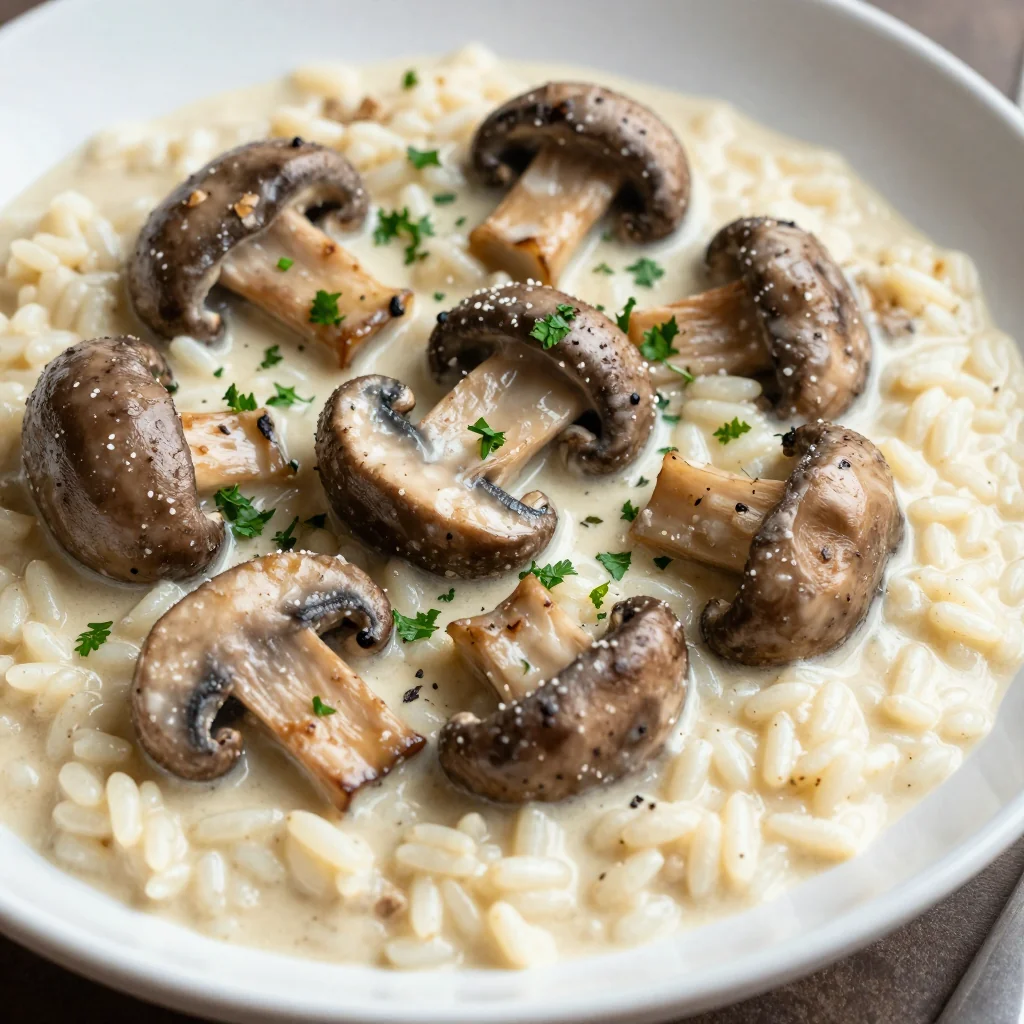
Creamy Mushroom Risotto with Parmesan for Cozy January Nights
Ingredients
Instructions
- Rehydrate mushrooms: Soak dried porcini in 1 cup hot water for 20 minutes. Strain, reserve liquid, chop mushrooms.
- Heat stock: Combine vegetable stock with strained porcini liquid in a saucepan and keep warm over low heat.
- Sauté mushrooms: Heat olive oil in a large pan over medium-high heat. Sauté cremini and shiitake mushrooms until golden. Season and set aside.
- Build base: In the same pan, melt 1 tablespoon butter. Cook shallots until translucent, add garlic and chopped porcini.
- Toast rice: Add Arborio rice and stir for 2-3 minutes until edges become translucent.
- Deglaze: Add white wine and stir until mostly absorbed.
- Add stock gradually: Add warm stock one ladle at a time, stirring frequently. Continue for 18-20 minutes until rice is al dente.
- Finish: Stir in remaining butter, Parmesan, sautéed mushrooms, and parsley. Season with salt and pepper.
- Serve: Rest for 2 minutes, then serve immediately in warm bowls with extra Parmesan.
Recipe Notes
Risotto waits for no one! Have everything prepped and your bowls warming before you start. The texture should be creamy and loose, flowing like lava. If it thickens too much, loosen with hot stock. For best results, serve immediately.