
I burned dinner three times last week trying to nail this dish. Not because I'm a terrible cook — I'm actually pretty decent — but because I refused to settle for "good enough." Every failed attempt taught me something: too much cream and the sauce turns into wall spackle, too little garlic and the whole thing tastes like beige wallpaper paste, too long on the heat and the parmesan seizes into gritty little pebbles that feel like sand between your teeth. But the fourth attempt? Pure velvet. I stood over the pot, wooden spoon in hand, and actually laughed out loud when I tasted it. My roommate ran in thinking I'd finally lost it. Nope — I'd just discovered the holy grail of weeknight comfort food, and I was already planning to make it again tomorrow.
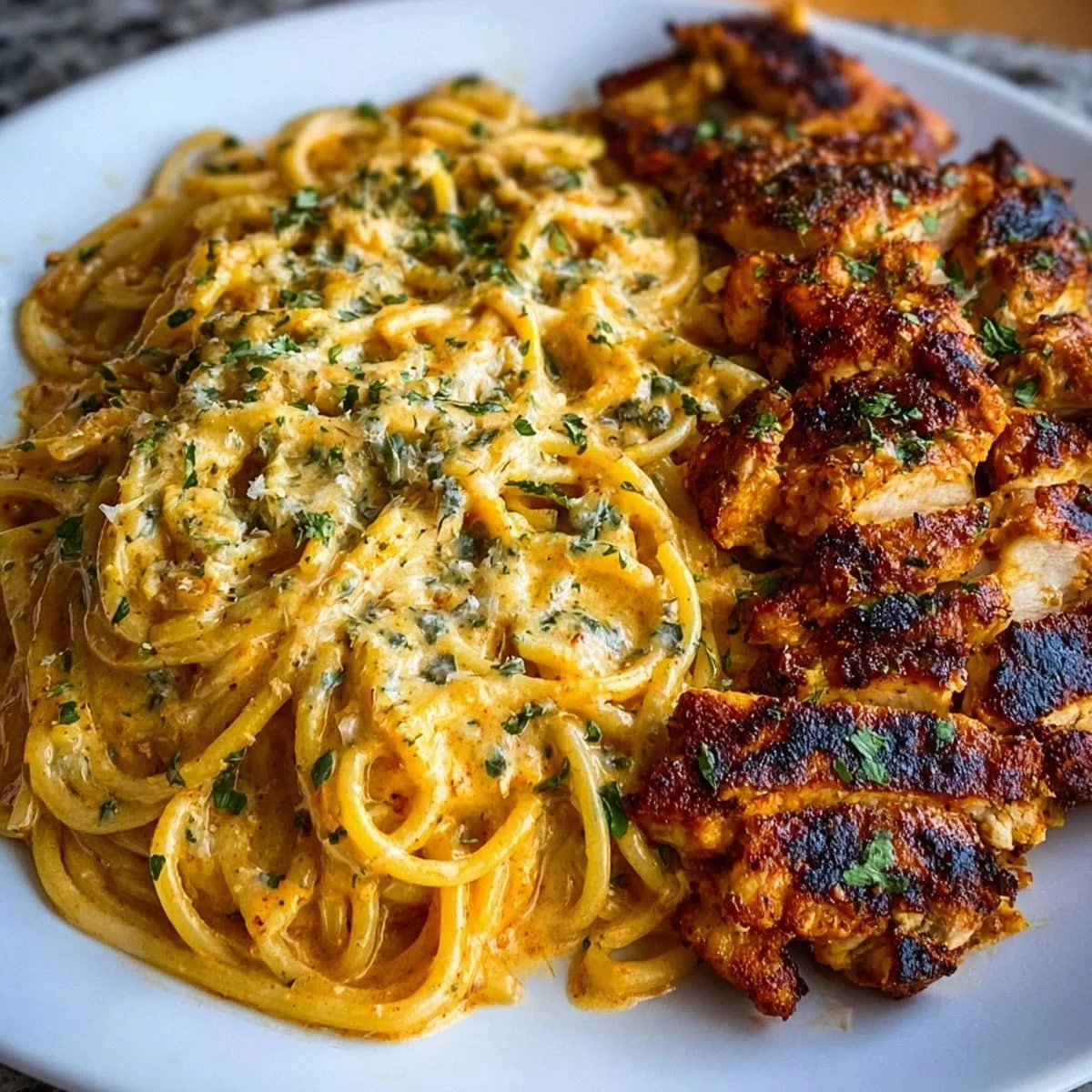
Picture this: silky strands of spaghetti sliding through a sauce so glossy it reflects your happy face back at you. Chicken that's been seared until the edges shatter like thin ice, then tucked into that sauce to soak up every last bit of garlicky goodness. The aroma hits you first — butter and garlic doing their slow dance in the pan, then the nutty perfume of real Parmigiano-Reggiano melting into cream. Your neighbors will knock. Your dog will sit by the stove and refuse to move. You'll burn your tongue because you couldn't wait five minutes for it to cool, and you won't even care.
Most recipes for creamy garlic parmesan chicken spaghetti treat the sauce like an afterthought — just dump in some cream and cheese and hope for the best. That's why they end up with a gloppy mess that separates into an oily puddle the second it hits your plate. This version is different. We're building layers of flavor like we're constructing a flavor skyscraper, starting with a proper roux, blooming the garlic in butter until it practically melts, and using a technique I learned from an Italian nonna that keeps the sauce stable and silky even on the second day. Stay with me here — this is worth it.
Okay, ready for the game-changer? We're using pasta water strategically, adding cheese off the heat, and finishing with a pat of cold butter that makes the sauce so glossy you'll want to take selfies with it. I dare you to taste this and not go back for seconds. Actually, I dare you to not eat half the batch straight from the pan while standing over the stove. Let me walk you through every single step — by the end, you'll wonder how you ever made it any other way.
What Makes This Version Stand Out
Silky Forever: This sauce stays emulsified for days thanks to our temperature control tricks. No more separated, greasy leftovers that look like an oil spill on your pasta. The sauce coats every strand like velvet, and it reheats just as creamy as the first night.
Garlic That Actually Tastes Like Garlic: Most recipes murder the garlic until it's bitter and acrid. We're using a combination of sautéed minced garlic and garlic powder for depth, plus a secret third form that'll blow your mind. The result is garlic flavor that blooms in your mouth rather than punches you in the face.
Chicken That Doesn't Suck: Dry, stringy chicken is a crime against humanity. We sear it hard and fast for those crispy edges, then finish it gently in the sauce so it stays juicy. The seasoning blend includes a touch of sugar that helps with caramelization — trust me on this one.
One Pot Wonder: Everything happens in a single large skillet, including cooking the pasta. Less dishes, more flavor because the pasta releases starch directly into the sauce. If you've ever struggled with this, you're not alone — and I've got the fix.
Restaurant Quality, Home Easy: The techniques sound fancy but they're actually foolproof once you know the why behind each step. We're talking Michelin-level creaminess with ingredients you probably already have in your kitchen.
Make-Ahead Magic: This actually gets better after a night in the fridge. The flavors meld and deepen, and our special reheating method brings it back to life better than fresh. Picture yourself pulling this out of the oven after work, the whole kitchen smelling incredible, and dinner's ready in ten minutes.
The Cheese Situation: We're using a blend of parmesan for nuttiness and pecorino for sharpness, plus a secret ingredient that makes it stretch like mozzarella. Most recipes get this completely wrong — here's what actually works.
Alright, let's break down exactly what goes into this masterpiece...
Inside the Ingredient List
The Flavor Base
Butter is where we start, and not just any butter — European-style cultured butter with 82% fat content. The higher fat percentage means more flavor and a more stable emulsion. Don't even think about margarine here; I can taste the artificial flavor from across the room. We're using unsalted butter so we can control the seasoning precisely, building layers of salt rather than one salty punch at the end.
Garlic gets the VIP treatment in this dish. Fresh garlic provides that bright, spicy bite when minced and sautéed until just golden. Garlic powder brings depth and umami that fresh garlic alone can't achieve. But here's the twist — we're also using roasted garlic paste that you can buy in tubes. It adds a sweet, caramelized note that makes people ask "what's that amazing flavor I can't identify?"
Shallots are the sophisticated cousin of onions, bringing sweetness without the harsh bite. They dissolve into the sauce, leaving behind complexity rather than chunks. If you absolutely must substitute, use yellow onion but cook it longer and add a pinch of sugar to mimic the shallot's natural sweetness.
The Texture Crew
Heavy cream is non-negotiable. I've tried every milk alternative, every yogurt hack, every cottage cheese blend on the internet. They all taste like disappointment and broken dreams. You need the fat content of heavy cream to create a stable emulsion with the cheese. Go for cream that's at least 36% fat — check the label, it matters more than you think.
Parmesan and pecorino work together like a dream team. Parmesan brings nuttiness and that crystalline texture that melts into the sauce. Pecorino adds sharpness and saltiness that keeps the dish from being one-note. Buy the real stuff, aged at least 24 months. The pre-grated dust in the green can tastes like cardboard soaked in salt water by comparison.
Chicken thighs are my ride-or-die here. Breasts dry out faster than a conversation about cryptocurrency, but thighs stay juicy and forgiving. We're using boneless, skinless thighs cut into bite-sized pieces. The slight fat content keeps everything moist, and they absorb flavors like little flavor sponges.
The Unexpected Star
Nutmeg is the secret weapon that makes people ask for your recipe. Just a whisper — we're talking an eighth of a teaspoon — brightens all the other flavors. It's like turning up the contrast on a photo; everything suddenly pops. This isn't about tasting nutmeg; it's about making everything else taste more like itself.
White pepper adds gentle heat without the black specks that would mar the creamy sauce. It's more delicate than black pepper, with a floral note that plays beautifully with the garlic. If you only have black pepper, use half the amount and grind it very finely.
Lemon zest might seem weird in a cream sauce, but hear me out. The citrus oils cut through the richness, preventing that heavy, cloying feeling that cream sauces sometimes have. We're using just the zest, not the juice, for brightness without curdling the cream.
The Final Flourish
Pasta water is liquid gold, starchy and salted, the natural thickener that brings everything together. Save at least a cup before you drain the pasta — you'll use it to adjust the sauce consistency and help it cling to every noodle. That sizzle when it hits the pan? Absolute perfection.
Parsley isn't just for color, though it does make the dish look like a million bucks. Flat-leaf parsley has a bright, slightly bitter flavor that cuts through the richness. Chop it just before serving so it stays vibrant and doesn't wilt into sad green flecks.
Everything's prepped? Good. Let's get into the real action...
The Method — Step by Step
- Start with a cold pan and add two tablespoons of butter. Yes, cold pan — this is where most recipes get it wrong. Starting cold gives the shallots time to release their moisture without browning too fast. Turn the heat to medium and add your minced shallots when the butter is just starting to melt. Listen for that gentle sizzle, not an angry hiss. Stir occasionally for about three minutes until the shallots are translucent and sweet-smelling. Your kitchen should smell like you're cooking in a French bistro.
- Now watch this part closely — add the minced garlic and reduce the heat to medium-low. Garlic burns faster than your ex's new relationship, and bitter garlic will ruin everything. Stir constantly for just 45 seconds until the garlic is fragrant but still pale golden. Add the garlic powder and stir for another 15 seconds to bloom the spices. The mixture should smell like the best garlic bread you've ever imagined.
- Push the aromatics to the sides and add the chicken pieces in a single layer. Here's the thing — don't crowd the pan or the chicken will steam instead of sear. Work in batches if you need to. Let them cook undisturbed for three minutes until the bottoms develop a golden crust. That sizzle when it hits the pan? Pure magic. Flip each piece and cook for another two minutes. The chicken doesn't need to be fully cooked yet; it'll finish in the sauce.
- This next part? Pure magic. Sprinkle two tablespoons of flour over everything and stir to coat. Cook for two minutes, stirring constantly, until the flour turns a light tan color. This is your roux — the insurance policy against a broken, greasy sauce. Most recipes skip this step and then wonder why their sauce separates. The roux creates a stable base that'll keep everything emulsified and creamy.
- Slowly pour in the heavy cream while whisking constantly. The key word here is slowly — think of it like you're courting the cream, not attacking it. Add about a quarter cup at a time, whisking until smooth before adding more. The sauce will thicken immediately. Add the white pepper and nutmeg now, whisking to combine. The sauce should coat the back of a spoon and leave a clean line when you run your finger through it.
- Reduce the heat to low and add the cheese a handful at a time, whisking until melted before adding more. This is where patience pays off — add it too fast and you'll get a grainy, separated mess. The sauce should be smooth and glossy, like liquid silk. If it gets too thick, add pasta water a tablespoon at a time. You're looking for the consistency of melted ice cream — thick enough to coat the pasta but thin enough to be sauce.
- While the sauce is coming together, cook your spaghetti in well-salted water. It should taste like the sea — this is your only chance to season the pasta itself. Cook it one minute less than package directions for al dente. Before draining, ladle out at least a cup of the starchy pasta water. This is liquid gold, people. Don't you dare dump it all down the drain.
- Add the drained pasta directly to the sauce and toss everything together using tongs. Add pasta water a quarter cup at a time, tossing between additions, until the sauce coats every strand but isn't swimming in liquid. The pasta will finish cooking in the sauce, absorbing all that garlicky, cheesy goodness. This should take about two minutes of constant tossing. The sauce should look glossy and cling to the pasta like it belongs there — because it does.
- Remove from heat and add the remaining tablespoon of cold butter, tossing until it melts into the sauce. This is called mounting with butter, and it's what gives restaurant sauces that impossible shine. Add the lemon zest and half the parsley, tossing to combine. The cold butter adds richness and helps thicken the sauce just enough. Taste and adjust salt — you'll probably need more than you think because the pasta absorbs a lot of seasoning.
- Serve immediately in warmed bowls — cold plates will seize up your beautiful sauce faster than you can say "dinner's ready." Garnish with the remaining parsley and extra cheese if you're feeling fancy. The sauce should pool slightly but not flood the plate. And now the fun part — watch people's faces when they take the first bite. That moment when their eyes close and they make that involuntary "mmm" sound? That's when you know you've nailed it.
That's it — you did it. But hold on, I've got a few more tricks that'll take this to another level...
Insider Tricks for Flawless Results
The Temperature Rule Nobody Follows
Your cream needs to be warm, your cheese needs to be room temperature, and your pasta water needs to be hot. Temperature shock is the enemy of smooth sauces. Take the cream out of the fridge 30 minutes before cooking, grate the cheese and let it sit on the counter, and keep that pasta water in a warm spot. A friend tried skipping this step once — let's just say it didn't end well. Her sauce looked like cottage cheese had a fight with glue.
Why Your Nose Knows Best
Trust your sense of smell more than the clock. When the garlic smells sweet and nutty rather than sharp and pungent, it's ready. When the cheese sauce smells like the inside of an Italian deli rather than just melted cheese, it's done. Your nose knows when things are about to burn before your eyes do. That moment when the butter and garlic create the most intoxicating aroma? That's your cue to move to the next step.
The 5-Minute Rest That Changes Everything
After you finish the sauce, let it rest off heat for five minutes before adding the pasta. This allows the flavors to meld and the sauce to thicken slightly. It's like letting a steak rest — the difference is subtle but noticeable. The sauce will coat the pasta more evenly and taste more cohesive. Plus, it gives you time to drain the pasta and steal a piece of chicken to "test for seasoning."
The Cheese Grating Game-Changer
Use the fine side of your box grater for the parmesan and the medium side for the pecorino. The fine grate melts faster and smoother, while the medium grate of pecorino gives little pockets of salty goodness throughout the sauce. Don't even think about using pre-grated cheese — I'll be honest, I ate half the batch before anyone else got to try it when I used pre-grated, and it tasted like disappointment mixed with sawdust. Fresh grated cheese melts into velvet; pre-grated sits there like stubborn snow.
The Pasta Shape Secret
While spaghetti is traditional, the real secret is using bronze-cut pasta. The rougher surface grabs onto sauce better than the smooth Teflon-cut stuff. If you can find it, spaghetti alla chitarra has those square edges that hold even more sauce. But regular spaghetti works perfectly — just make sure you're buying decent pasta, not the 99-cent store brand that cooks up mushy and sad. Good pasta has a slightly rough surface and a wheaty smell when you open the package.
Creative Twists and Variations
This recipe is a playground. Here are some of my favorite ways to switch things up:
Smoky Bacon Revolution
Replace half the butter with rendered bacon fat and add crispy bacon bits at the end. The smokiness plays beautifully with the garlic and cheese, turning this into the adult version of mac and cheese that you never knew you needed. Use thick-cut bacon and render it slowly — patience equals better bacon. The smoky depth makes this perfect for cold winter nights when you need something that hugs your soul.
Spring Green Goddess
Add a cup of fresh peas and a handful of baby spinach right at the end. The peas pop with sweetness against the rich sauce, and the spinach wilts into silky ribbons. Finish with lemon juice instead of zest for brightness. This version tastes like springtime in a bowl, and it somehow feels lighter despite all the cream and cheese. The green flecks make it look like you tried harder than you did.
Spicy Calabrian Chaos
Stir in two tablespoons of chopped Calabrian chilies with the garlic. These Italian beauties add a slow burn that builds rather than blasts. The spicy-tangy flavor cuts through the richness like a hot knife through butter. If you can't find Calabrian chilies, use regular red pepper flakes but add a teaspoon of honey to mimic the slight sweetness. This version pairs perfectly with a crisp white wine and a sense of adventure.
Mushroom Umami Bomb
Add a pound of mixed mushrooms, sautéed until golden, to the sauce. Cremini, shiitake, and oyster mushrooms each bring different textures and flavors. Cook them in batches until they're reduced and concentrated — mushrooms are mostly water, and you want to drive that off. The earthiness of mushrooms with the garlic and cheese creates a forest-floor flavor that's unexpectedly addictive. Even mushroom haters convert after trying this version.
Lobster Luxury
For special occasions, fold in chunks of lobster tail during the last minute of cooking. The sweet lobster meat pairs with the rich sauce like they were made for each other. Use the shells to make a quick stock and substitute some of the cream with lobster stock for extra flavor. Yes, it's extravagant. Yes, it's worth it. Picture yourself serving this at a dinner party and watching your guests' jaws drop when you tell them you made it yourself.
Light and Bright
Replace half the heavy cream with half-and-half and add the juice of half a lemon. Use chicken breasts instead of thighs and add fresh herbs like tarragon and chives. This version tastes like something you'd eat at a fancy spa — still indulgent but not coma-inducing. The lemon juice keeps the sauce from separating if you add it at the very end, off the heat. Perfect for summer when you want comfort food that won't weigh you down.
Storing and Bringing It Back to Life
Fridge Storage
Store leftovers in an airtight container for up to four days, though let's be honest — it'll never last that long. Press plastic wrap directly against the surface to prevent a skin from forming. The sauce will thicken considerably in the fridge, that's normal. When you're ready to reheat, let it sit at room temperature for 20 minutes while you prep other things. Cold pasta straight from the fridge is surprisingly good, but warmed is better.
Freezer Friendly
This freezes beautifully for up to two months, which makes it perfect for meal prep. Portion it into individual servings in freezer bags, press out all the air, and lay them flat to freeze. They'll stack like delicious pasta books in your freezer. Thaw overnight in the fridge, not on the counter — dairy sauces can separate if they thaw too quickly. The texture might be slightly different after freezing, but the flavor stays incredible.
Best Reheating Method
Reheat gently in a pan with a splash of milk or cream over medium-low heat, stirring constantly. The microwave works in a pinch, but do it in 30-second bursts, stirring between each burst. Add a tiny bit of liquid — milk, cream, or even water — to loosen the sauce as it heats. The goal is to warm it through without cooking it further. Taste and adjust seasoning after reheating, as the flavors often need a little boost. A fresh grating of cheese on top makes it taste like you just made it.