
Love this? Pin it for later! 📌
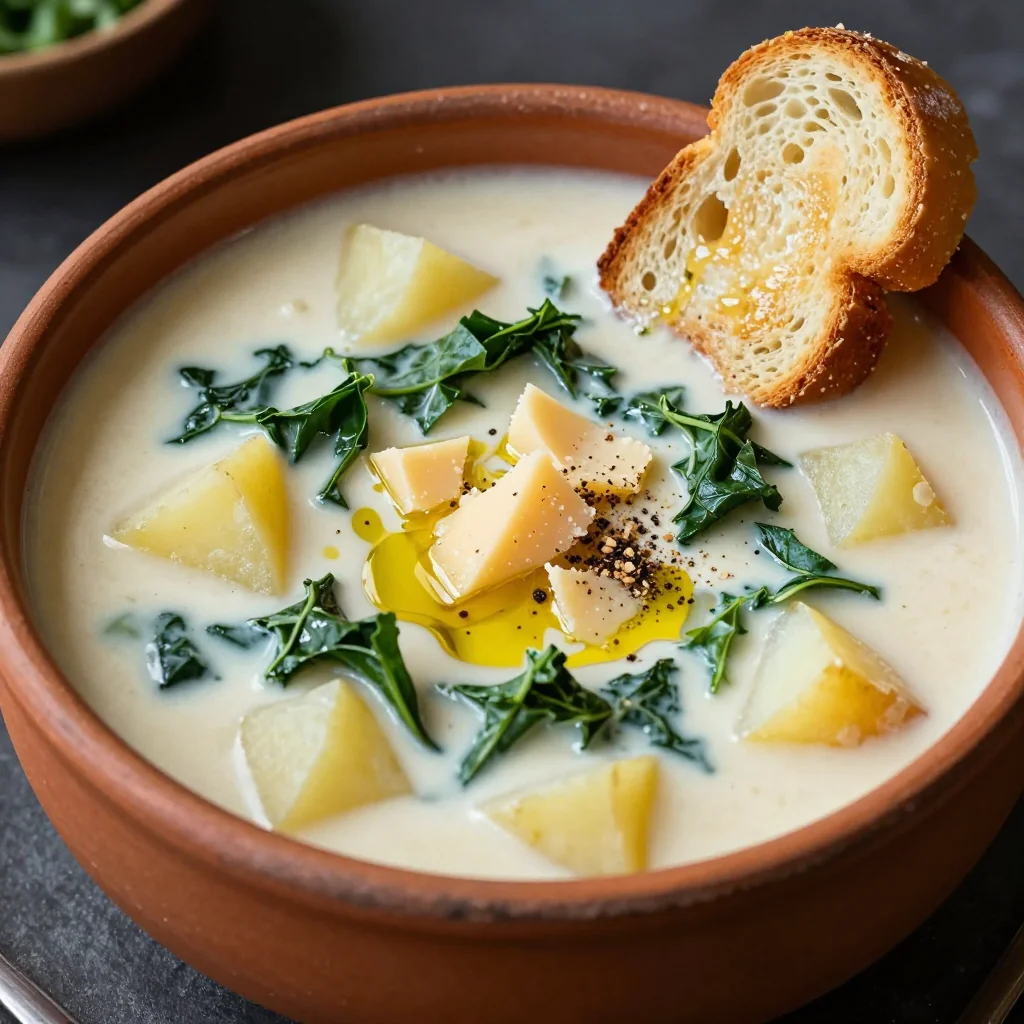
When the first real snowstorm of the season arrived last year, I found myself standing at my kitchen window watching fat flakes swirl past the streetlights while my Dutch oven gently bubbled on the stove. The scent of onions sautéing in butter, mingling with earthy kale and tender potatoes, wrapped around me like the wool blanket I'd left on the couch. That evening, as my neighbors battled the storm outside, I ladled this golden soup into deep bowls, added a slice of crusty sourdough, and watched my usually picky teenager close their eyes after the first spoonful and say, "Mom, this tastes like winter happiness."
This cozy potato and kale soup has since become our family's official December ritual. It's the meal I make when the temperature drops below freezing, when someone's fighting off a cold, or when we simply need the culinary equivalent of a warm hug. Unlike heavy cream-based soups that can feel oppressive, this one maintains a delicate balance—substantial enough to satisfy on the coldest night, yet brightened by lemon and fresh herbs so it never weighs you down.
What makes this soup truly special is how it transforms humble ingredients into something extraordinary. Those slightly wilted kale leaves languishing in your crisper? They become silky ribbons of green gold. The bag of potatoes you bought on sale? They turn into tender clouds that practically melt on your tongue. Even better, this soup is forgiving—you can start it after work and have dinner ready in under an hour, or let it simmer lazily on a Sunday afternoon while you decorate the tree or wrap presents.
Why This Recipe Works
- One-Pot Wonder: Everything cooks in a single Dutch oven, meaning minimal cleanup and maximum flavor as the ingredients mingle together.
- Nutrient-Dense Comfort: Kale provides vitamins A, C, and K while potatoes offer potassium and fiber—comfort food you can feel good about.
- Flexible Timing: This soup can simmer for 20 minutes or 2 hours—it only gets better with time, making it perfect for entertaining.
- Pantry Staples: Uses ingredients you likely have on hand, eliminating last-minute grocery runs in bad weather.
- Freezer-Friendly: Makes excellent leftovers and freezes beautifully for up to 3 months.
- Customizable: Easily adapted for vegan, gluten-free, or protein-added versions without compromising flavor.
- Economical: Feeds 6-8 people for under $10, proving that delicious doesn't have to mean expensive.
- Restaurant-Quality: The secret technique of blending a portion of the soup creates a luxuriously creamy texture without heavy cream.
Ingredients You'll Need
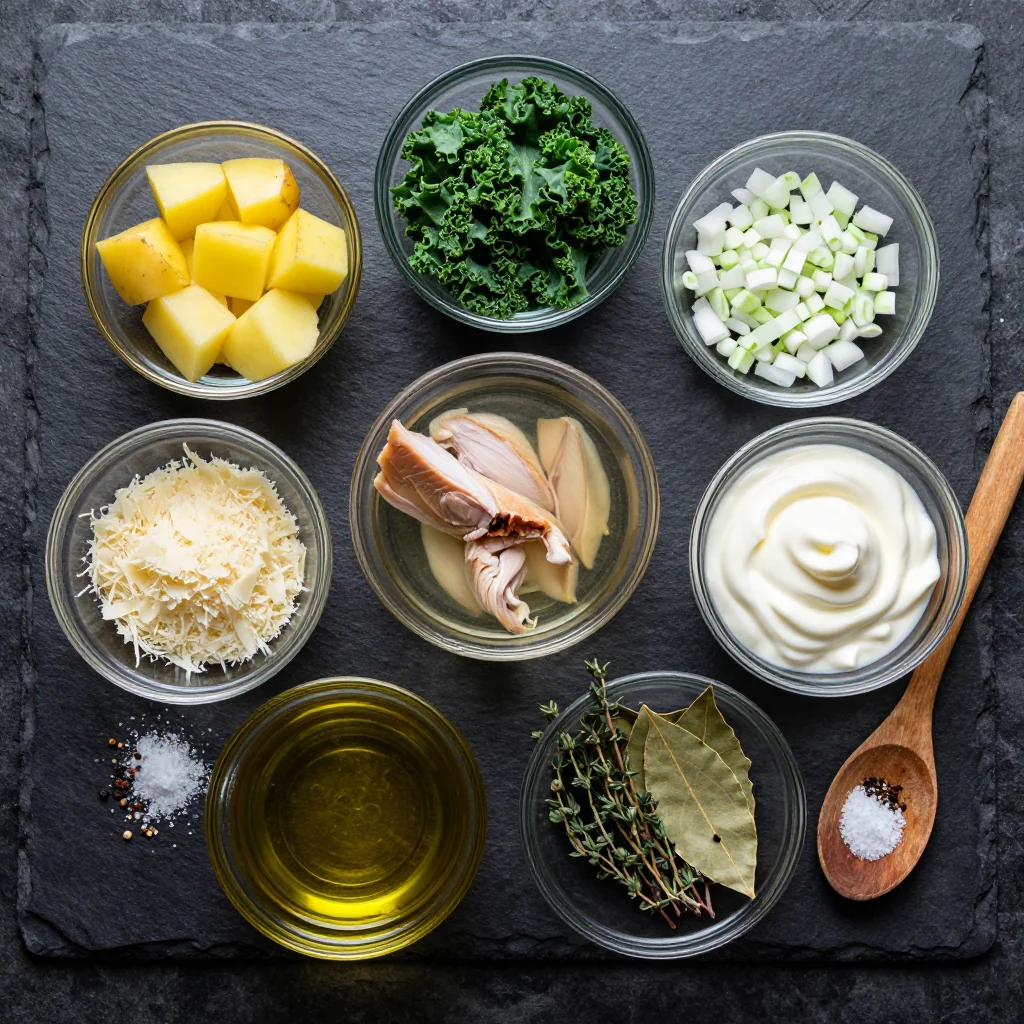
The magic of this soup lies in its simplicity—each ingredient plays a crucial role in building layers of flavor. Let's explore what you'll need and why each component matters.
The Foundation
Yukon Gold Potatoes (2 pounds): These buttery potatoes hold their shape beautifully while releasing just enough starch to naturally thicken the soup. Their thin skin requires no peeling, saving precious prep time. If you can't find Yukons, red potatoes work well too—avoid russets as they'll fall apart and create a gluey texture.
Lacinato Kale (1 large bunch): Also called dinosaur kale, this variety becomes tender without the toughness that curly kale can develop. The dark blue-green leaves are packed with nutrients and maintain their vibrant color even after cooking. Remove the tough ribs, but don't discard them—freeze for vegetable stock later.
Aromatics
Yellow Onion (1 large): The backbone of any great soup, providing sweet depth as it caramelizes. Dice it uniformly so it cooks evenly. In a pinch, you can substitute white onion, but avoid red onions which can turn bitter.
Garlic (6 cloves): Don't be shy here—garlic adds complexity and warmth. Fresh is essential; pre-minced jarred garlic has a flat, acrid taste that will disappoint. Press or mince it finely so it distributes throughout the soup.
Celery (3 stalks): Often overlooked, celery provides a subtle herbal note and pleasant texture. Use the inner stalks with their leaves for maximum flavor. Save the outer stalks for snacking with peanut butter later.
Liquid Gold
Vegetable Broth (6 cups): The quality of your broth directly impacts the final dish. If you're not using homemade, look for low-sodium varieties so you can control the salt level. Chicken broth works well for non-vegetarians, adding extra richness.
White Wine (½ cup): A splash of dry white wine brightens the entire soup, cutting through the earthiness of the kale. Use something you'd actually drink—cooking wine from the grocery store is loaded with salt and preservatives. If you avoid alcohol, substitute with additional broth plus 1 tablespoon of lemon juice.
The Finishing Touches
Heavy Cream (½ cup): Just enough to add luxurious silkiness without making the soup heavy. For a dairy-free version, substitute with full-fat coconut milk—it adds a subtle tropical note that surprisingly complements the kale.
Lemon Zest and Juice: Fresh lemon awakens all the other flavors, preventing the soup from tasting flat. Zest the lemon before juicing—it's much easier. The zest contains essential oils that provide bright, concentrated flavor.
Fresh Thyme: This hardy herb infuses the soup with woodsy, slightly floral notes. Strip the leaves from the stems by running your fingers backwards along the stem. Dried thyme works in a pinch—use one-third the amount.
Pantry Staples
Butter and Olive Oil: Using both provides the best of both worlds—butter for richness and olive oil for its higher smoke point. This combination prevents the butter from burning while still providing that irresistible flavor.
Bay Leaves: These aromatic leaves add subtle complexity. Remember to remove them before serving—they can be a choking hazard and taste bitter if bitten into.
Crushed Red Pepper Flakes: Just a pinch adds gentle warmth without overwhelming heat. The soup should warm you, not make you sweat.
How to Make Cozy Potato and Kale Soup for Winter Warmth
Prepare Your Mise en Place
Start by washing all your produce thoroughly, especially the kale which can harbor grit in its crevices. Dice the onion, slice the celery, mince the garlic, and cube the potatoes into ¾-inch pieces—large enough to maintain texture but small enough to cook evenly. Remove the tough ribs from the kale and tear the leaves into bite-sized pieces. Having everything ready before you start cooking prevents the garlic from burning while you're frantically chopping potatoes.
Build the Flavor Foundation
Heat the butter and olive oil in a large Dutch oven over medium heat until the butter stops foaming—this indicates the water has evaporated and you're left with pure butterfat for maximum flavor. Add the onions and celery with a generous pinch of salt. Cook for 8-10 minutes, stirring occasionally, until the vegetables are translucent and just beginning to caramelize around the edges. The salt draws out moisture, helping the vegetables soften rather than brown too quickly.
Add Aromatics and Bloom Spices
Stir in the garlic, thyme, and red pepper flakes, cooking for just 60 seconds until fragrant. Garlic burns quickly and turns bitter, so have your wine ready to pour in immediately. The wine will deglaze the pot, lifting all those flavorful browned bits (fond) from the bottom. Let the wine bubble away for 2-3 minutes until reduced by half, cooking off the raw alcohol taste while concentrating its fruity flavors.
Simmer the Potatoes
Add the potatoes, bay leaves, and vegetable broth, bringing everything to a boil over high heat. Once boiling, reduce to a gentle simmer and cook for 15 minutes. The potatoes should be just tender when pierced with a fork but not falling apart. Skim any foam that rises to the surface—this contains impurities that can cloud your soup.
Massage and Add the Kale
While the potatoes cook, massage your kale—yes, really! Rubbing the leaves between your fingers for 30 seconds breaks down tough fibers, resulting in silkier greens that cook faster. Add the kale to the pot and simmer for another 10 minutes until tender. Don't worry if it seems like too much kale—it wilts down dramatically.
Create Creamy Texture
Here's the secret that elevates this soup from good to restaurant-quality: ladle 2 cups of soup (mostly potatoes and broth) into a blender and puree until smooth, or use an immersion blender directly in the pot for 10-15 seconds. This natural thickening technique creates a luxurious texture without needing heavy cream or flour. Return the pureed soup to the pot if using a countertop blender.
Finish with Cream and Brightness
Reduce heat to low and stir in the heavy cream, lemon zest, and lemon juice. Warm gently for 2-3 minutes—never let it boil after adding cream or it may curdle. Taste and adjust seasoning with salt and freshly ground black pepper. The soup should taste bright and balanced, with the lemon cutting through the richness.
Serve and Garnish
Remove the bay leaves and ladle into warm bowls. Garnish with a drizzle of good olive oil, a sprinkle of fresh thyme leaves, and if you're feeling indulgent, some crispy bacon bits or a dollop of sour cream. Serve immediately with crusty bread for sopping up every last drop.
Expert Tips
Temperature Control
Keep your soup at a gentle simmer, not a rolling boil. Aggressive bubbling breaks down the potatoes into mush and can cause the cream to separate. Think of it as a spa day for your soup—warm and relaxing, not stressful.
Make-Ahead Magic
This soup improves overnight as flavors meld. Make it through step 5, cool completely, and refrigerate. When ready to serve, reheat gently and add the cream and lemon. This prevents curdling and keeps flavors bright.
Consistency Control
If your soup becomes too thick upon standing (potatoes are thirsty!), simply thin with additional broth or water. Conversely, if it's too thin, simmer uncovered for 10-15 minutes or mash some potatoes against the pot's side.
Color Preservation
To keep your kale vibrant green, don't overcook it. Add it during the last 10 minutes only. If making ahead, blanch the kale separately and add when reheating to maintain that beautiful emerald color.
Salt Strategy
Salt in layers—season the onions as they cook, add a pinch when adding potatoes, and adjust at the end. This builds complexity rather than just surface saltiness. Remember that the broth reduces, concentrating salt, so start conservative.
Freezer Success
Freeze in individual portions for up to 3 months, but leave out the cream and lemon—they can separate and become grainy. When reheating frozen soup, thaw overnight in the refrigerator, then add cream and lemon after warming.
Variations to Try
Luxury Version
Add 8 ounces of lump crabmeat or cooked lobster during the last 2 minutes of cooking. Replace the cream with crème fraîche for extra tang, and finish with a drizzle of white truffle oil. Perfect for New Year's Eve dinner.
Serves 4-6 | 45 minutesVegan Powerhouse
Substitute coconut milk for cream, use olive oil exclusively, and add 1 cup of red lentils for protein. Stir in a tablespoon of white miso paste at the end for umami depth. Top with toasted pumpkin seeds for crunch.
Serves 6-8 | 40 minutesSpicy Portuguese-Style
Add 3 diced Portuguese chouriço sausages when sautéing the onions. Replace the red pepper flakes with piri-piri sauce, and add 2 diced tomatoes with the potatoes. Finish with fresh cilantro instead of thyme.
Serves 6-8 | 50 minutesComfort Food Supreme
Add 1 cup of diced cooked ham or bacon with the potatoes. Replace white wine with hard apple cider, and add 1 cup of sharp cheddar cheese with the cream. Top with buttered croutons and extra cheese.
Serves 6-8 | 55 minutesStorage Tips
Refrigeration
Store cooled soup in airtight containers in the refrigerator for up to 4 days. The flavors actually improve overnight as they meld together. When reheating, add a splash of broth or water as the potatoes will have absorbed liquid. Warm gently over medium-low heat, stirring occasionally, until heated through—about 10-12 minutes.
Freezing Instructions
This soup freezes beautifully for up to 3 months, but skip the cream and lemon before freezing. Cool completely, then portion into freezer-safe containers or bags, leaving 1 inch of headspace for expansion. Label with the date and "Add cream and lemon when reheating." For best results, thaw overnight in the refrigerator rather than using the microwave's defrost setting, which can create hot spots that break down the potatoes.
Make-Ahead Meal Prep
Transform this into a freezer meal kit by prepping all vegetables and storing them in a gallon bag with a copy of the recipe. On busy weeknights, simply dump everything into your pot with broth and dinner's ready in 35 minutes. You can also cook the soup base (through step 5) on Sunday, then quickly reheat and finish with cream during the week for faster weeknight meals.
Frequently Asked Questions
Absolutely! While lacinato (dinosaur) kale is my favorite for its tender texture and quick cooking time, curly kale works well too—just remove the tough ribs and chop it more finely. Red kale adds beautiful color but takes slightly longer to become tender. Avoid pre-chopped bagged kale as it's often tough and stemmy. If you're new to kale, start with baby kale from the salad section—it wilts instantly and has a milder flavor.
Potatoes are natural thickeners and will continue absorbing liquid as the soup sits. Simply thin it with additional broth, water, or even milk for extra richness. Add liquid gradually, stirring and checking consistency after each addition. For future batches, reduce the simmering time or add an extra cup of broth. Remember that soup always thickens upon standing and cooling, so aim for slightly thinner than your desired final consistency when first making it.
For slow cooker: Sauté the aromatics on the stovetop first (steps 1-3), then transfer everything except cream and lemon to your slow cooker. Cook on low for 6-7 hours or high for 3-4 hours. Add kale during the last 30 minutes, then finish with cream and lemon. For Instant Pot: Use sauté function for steps 1-3, then add potatoes and broth. Cook on high pressure for 8 minutes, quick release, add kale and cook on sauté for 5 minutes more. Finish with cream and lemon.
This substantial soup pairs beautifully with crusty sourdough or multigrain bread for dipping. A simple green salad with lemon vinaigrette provides bright contrast. For a heartier meal, serve with grilled cheese sandwiches—try sharp cheddar and caramelized onion. Garlic knots or focaccia are perfect for sopping up every drop. If serving guests, start with a charcuterie board and finish with this soup as the main course.
Add 1 cup of red lentils with the potatoes—they'll dissolve and thicken the soup while adding 18g of protein. White beans (cannellini or great northern) add 15g protein per cup; add them during the last 10 minutes to prevent breaking. For meat-eaters, cooked chicken sausage or shredded rotisserie chicken works wonderfully. Cubed firm tofu absorbs the soup's flavors beautifully for a vegan protein boost.
Cream curdles when exposed to high heat or acidic ingredients (like lemon) for too long. Prevent this by tempering—whisk a few tablespoons of hot soup into the cream before adding it to the pot, and never let the soup boil after adding cream. Full-fat cream is more stable than low-fat versions. If your soup does curdle, it's still safe to eat—just not as visually appealing. Blend it with an immersion blender to reincorporate.
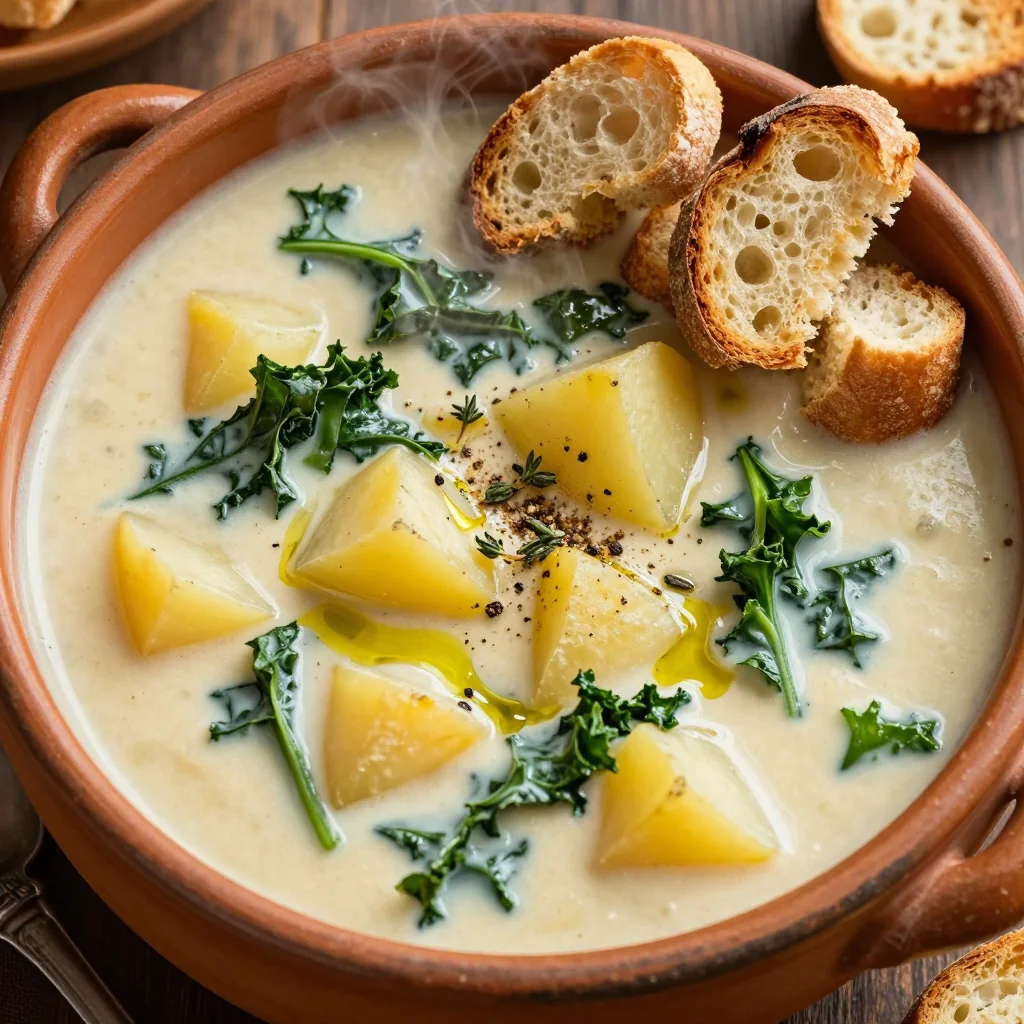
Cozy Potato and Kale Soup for Winter Warmth
Ingredients
Instructions
- Build the base: Heat butter and olive oil in a large Dutch oven over medium heat. Add onion and celery with a pinch of salt; cook 8-10 minutes until translucent and beginning to caramelize.
- Add aromatics: Stir in garlic, thyme, and red pepper flakes; cook 60 seconds. Pour in wine and simmer 2-3 minutes until reduced by half.
- Simmer potatoes: Add potatoes, bay leaves, and broth. Bring to a boil, then reduce to a simmer and cook 15 minutes until potatoes are just tender.
- Add kale: Stir in kale and simmer 10 minutes more until wilted and tender.
- Create creaminess: Remove bay leaves. Blend 2 cups of soup until smooth and return to pot, or use an immersion blender for 10-15 seconds.
- Finish and serve: Stir in cream, lemon zest, and lemon juice. Warm gently 2-3 minutes (do not boil). Season with salt and pepper. Serve hot with crusty bread.
Recipe Notes
For best results, use full-fat cream and add it at the end to prevent curdling. The soup thickens upon standing—thin with additional broth when reheating. Make it vegan by substituting coconut milk for cream.