What Makes This Version Stand Out
- Taste: The broth is a layered symphony of soy, sesame, and a subtle citrus tang from rice vinegar that cuts through the richness of pork. Each sip delivers a punch of umami that lingers, making the soup memorable long after the last spoonful.
- Texture: The dumplings achieve a golden, slightly crisp exterior while maintaining a pillowy, tender interior that melts in your mouth. The broth is silky yet slightly thickened, providing a comforting mouthfeel that’s both satisfying and light.
- Complexity: While the ingredients are familiar, the layering of flavors—steaming, pan‑frying, and simmering—creates depth that feels sophisticated yet approachable.
- Ease: The recipe uses pantry staples and a few fresh items, so you can whip it up in under an hour without a marathon prep session.
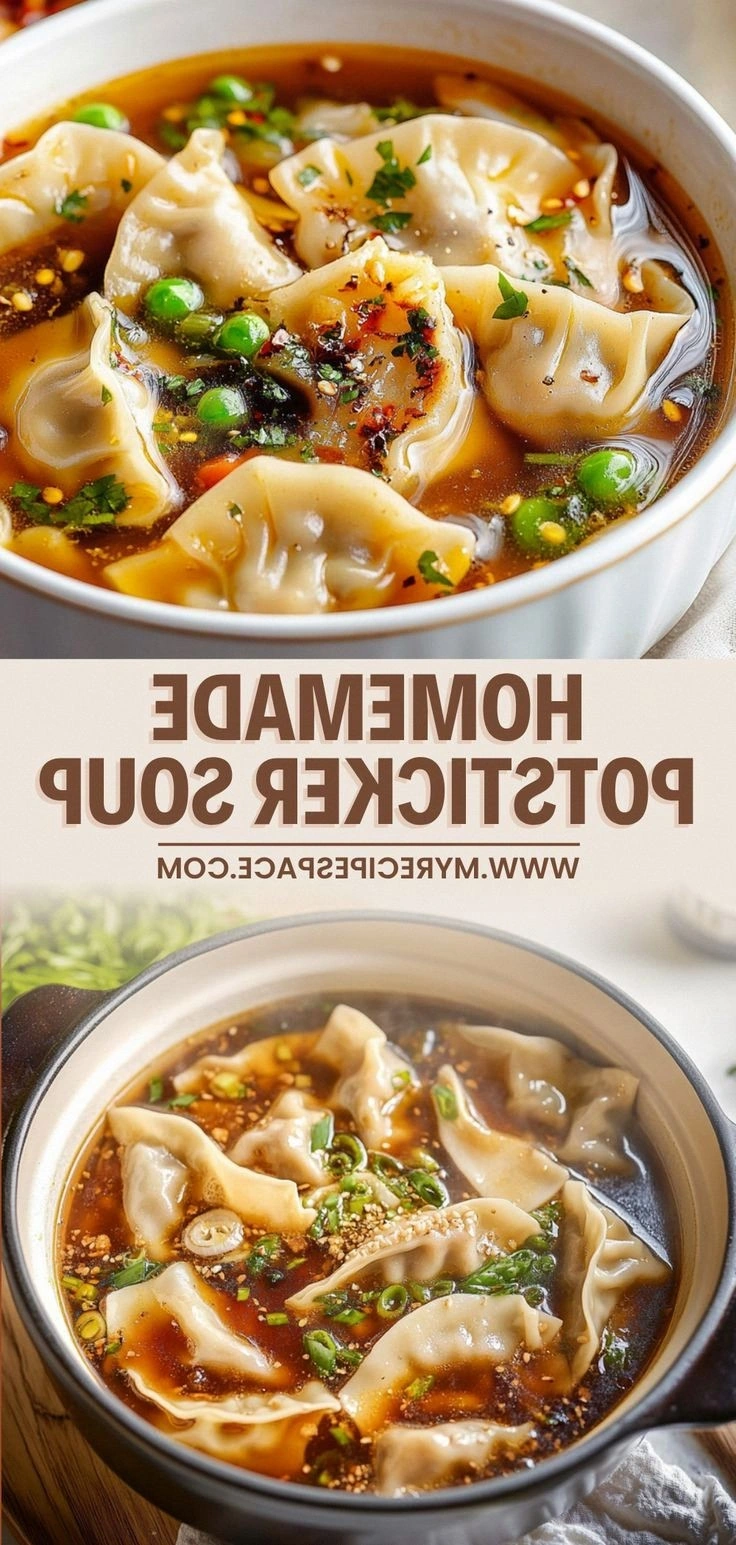
- Visual Appeal: The glossy broth, the translucent dumplings, and the pop of green scallions make this dish as beautiful to look at as it is to eat.
- Versatility: It’s a crowd‑pleaser for families, a comforting bowl for solo nights, and the perfect starter for dinner parties.
Alright, let's break down exactly what goes into this masterpiece...
Inside the Ingredient List
The Flavor Base
Chicken broth is the canvas for this soup, and using a homemade or low‑sodium version gives you full control over the saltiness. Add a piece of kombu or a few dried shiitake mushrooms while simmering to deepen the umami profile. If you’re short on time, a good quality store‑bought broth will still deliver a robust flavor, but remember to taste and adjust the seasoning at the end.
The Texture Crew
All‑purpose flour forms the backbone of the dumpling wrappers. A ratio of 2 cups flour to 3/4 cup water creates a dough that’s pliable but sturdy enough to hold the filling without tearing. Knead until the dough feels smooth and elastic, then let it rest for 15 minutes; this relaxation step is key to preventing the wrappers from cracking when you roll them.
The Unexpected Star
Fresh ginger and garlic bring a bright, aromatic punch that cuts through the richness of pork. Minced ginger is more aromatic than powdered, while garlic adds a subtle sweetness that balances the savory broth. Don’t skip these—they’re the secret that elevates this soup from ordinary to unforgettable.
The Final Flourish
Sesame oil and a splash of rice vinegar finish the broth with a nutty aroma and a slight tang. The sesame oil should be added at the very end to preserve its delicate flavor, while the vinegar adds a bright note that keeps the dish from feeling too heavy. A pinch of white pepper and optional chili flakes give a gentle heat that’s just enough to keep the palate awake.
Everything's prepped? Good. Let's get into the real action...
The Method — Step by Step
- Combine the flour, water, and 1 tsp of salt in a bowl. Knead the mixture until it’s smooth and elastic, then cover with a damp cloth and let it rest for 15 minutes. This rest period allows the gluten to relax, making the dough easier to roll and preventing the wrappers from cracking. While the dough rests, you can start preparing the filling.
- In a large mixing bowl, combine the ground pork, finely shredded Napa cabbage, chopped shiitake mushrooms, sliced scallions, minced ginger, minced garlic, 3 tbsp of soy sauce, 1 tbsp of sesame oil, and ½ tsp of white pepper. Mix thoroughly until the ingredients are evenly distributed and the mixture feels cohesive. The pork’s fat content will keep the filling moist, while the vegetables add crunch and freshness.
- Roll out the rested dough on a lightly floured surface into thin circles about 3 inches in diameter. Place a teaspoon of the pork mixture onto the center of each wrapper, fold the dough over to create a half‑moon shape, and pinch the edges tightly. The key to a perfect dumpling is a tight seal; a loose edge will cause the filling to leak during cooking.
- Heat 2 tbsp of vegetable oil in a large skillet over medium‑high heat. Add the dumplings in a single layer, leaving space between them. Sear until the bottoms are golden brown, about 2–3 minutes. Flip each dumpling, add ½ cup of water, and cover immediately. Let the dumplings steam for another 4–5 minutes, or until the water has evaporated and the dough is tender. This pan‑frying step locks in flavor and gives the dumplings a delightful crispness.
- While the dumplings finish cooking, pour 6 cups of chicken broth into a large pot and bring it to a gentle simmer. Add 1 tbsp of soy sauce, 1 tbsp of rice vinegar, and a few thin slices of fresh ginger for an extra layer of aroma. Let the broth simmer for about 10 minutes to allow the flavors to meld.
- Carefully transfer the pan‑fried dumplings into the simmering broth. Let them cook together for 5 minutes, allowing the dumplings to soak up the savory liquid. Watch out: if you add the dumplings too early, they may become soggy; adding them after the broth has simmered ensures they stay tender and flavorful.
- In a small bowl, whisk 1 tbsp of cornstarch with 2 tbsp of cold water to create a slurry. Stir this mixture into the pot, and let the soup simmer for another 2 minutes until the broth thickens slightly. This gives the soup a silky body that coats the noodles without making it gloopy.
- Taste the soup and adjust seasoning as needed. Add a splash of soy sauce if it needs more depth, or a pinch of chili flakes for a gentle heat. Garnish with extra scallions for a fresh, crisp finish. Serve hot, ladling the broth over the dumplings in bowls that can handle the heat.
- That’s it — you did it. But hold on, I've got a few more tricks that'll take this to another level. Keep the pot on low heat to keep the broth warm, and if you’re serving a crowd, keep the soup in a slow cooker to maintain a steady temperature.
Insider Tricks for Flawless Results
The Temperature Rule Nobody Follows
Many cooks assume that a hard boil is necessary to cook dumplings, but a gentle simmer preserves their delicate structure. When the broth reaches a rolling simmer, the dumplings cook evenly without breaking apart. I once tried boiling the soup and ended up with a mushy texture that ruined the whole dish.
Why Your Nose Knows Best
Smell the broth before you add the dumplings. If it smells slightly sweet, it’s ready to absorb the dumpling flavors. A broth that’s still too brothy may need more time to reduce; a faint soy aroma indicates the umami is fully developed.
The 5‑Minute Rest That Changes Everything
After the dumplings finish cooking, let them rest in the broth for a full 5 minutes. This allows the filling to re‑settle and the flavors to marry. Skipping this step can leave the filling too watery and the broth too thin.
The Perfect Garnish
A few drops of sesame oil on top right before serving adds a glossy sheen and a nutty finish that elevates the dish. Sprinkle toasted sesame seeds for added crunch and visual appeal.
The Secret Ingredient
A small pinch of dried chili flakes or a dash of Sriracha can transform the soup into a spicy‑savory masterpiece. Use sparingly; you can always add more later if you’re feeling adventurous.
Creative Twists and Variations
This recipe is a playground. Here are some of my favorite ways to switch things up:
Veggie‑Rich Variation
Swap the pork filling for a mix of diced carrots, bell pepper, and tofu. The vegetables add color and a sweet crunch that pairs wonderfully with the broth’s umami. This version is perfect for a plant‑based crowd.
Seafood Surprise
Replace the pork with a mixture of shrimp and scallops for an oceanic twist. The seafood’s delicate flavor complements the broth, and the quick cooking time keeps the dish light and refreshing.
Herb‑Infused Broth
Add fresh herbs like cilantro or Thai basil to the simmering broth for an aromatic lift. The herbs bring a bright, herbal note that contrasts beautifully with the savory base.
Spicy Korean Twist
Incorporate gochujang into the broth and sprinkle Korean pepper flakes on top. This adds a fiery kick and a deep, smoky sweetness that takes the soup to a new level.
Miso Magic
Stir in a tablespoon of white miso at the end of cooking for a silky, earthy undertone. The miso adds depth and a subtle sweetness that pairs well with the pork.
Quick & Easy
Use pre‑made dumpling wrappers and store‑bought broth to cut prep time in half. The result is a quick, comforting bowl that’s ready in under 30 minutes.
Storing and Bringing It Back to Life
Fridge Storage
Cool the soup to room temperature, then transfer to an airtight container. Store in the refrigerator for up to 3 days. The broth will thicken slightly; just stir it back together before reheating.
Freezer Friendly
Separate the dumplings from the broth before freezing. Store dumplings in a single layer on parchment paper, then place in a freezer bag. The broth can be frozen in a separate container. This method keeps the dumplings from sticking together.
Best Reheating Method
Reheat the soup on the stovetop over low heat, adding a splash of water to restore moisture. Alternatively, use a microwave, but stir frequently to prevent hot spots. The key is to keep the broth gentle to preserve the dumplings’ texture.