Love this? Pin it for later! 📌
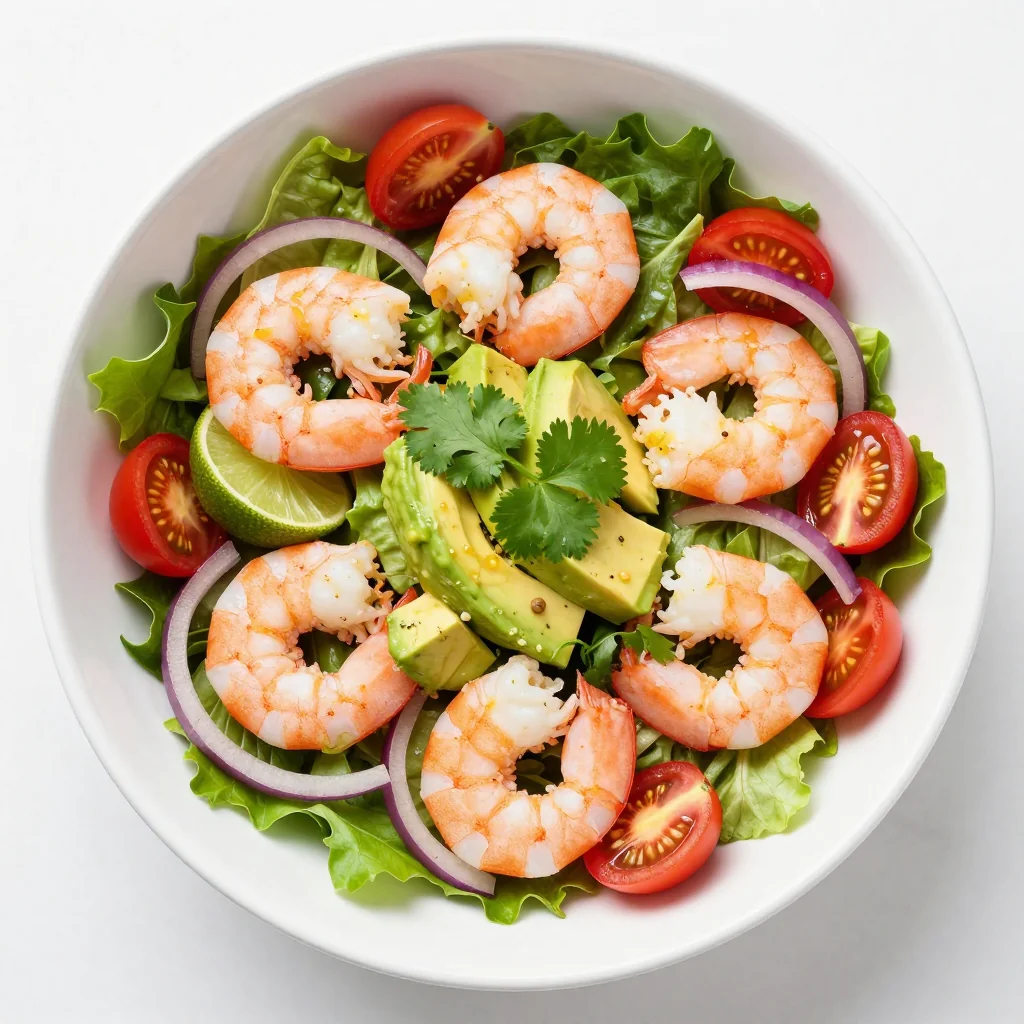
I still remember the first time I served this Clean Eating Shrimp and Avocado Salad with Lime to my book-club friends. We had gathered on my tiny patio, the late-afternoon sun filtering through the ivy, and I was nervous because half the group had sworn off “boring” health food. One bite of this vibrant, citrus-kissed salad and the conversation pivoted from beach reads to “Wait, this is actually clean eating?” The platter was empty in minutes, and three friends texted me for the recipe before dessert. That, my friends, is the magic of combining sweet, snappy shrimp with buttery avocado, all brightened by a zippy lime dressing—no one misses the mayo, the heavy oils, or the processed extras. Whether you need a speedy week-night supper, a no-cook lunch that holds up in the fridge, or a show-stopping appetizer for backyard guests, this salad has become my warm-weather MVP.
Why This Recipe Works
- 15-Minute Miracle: From fridge to table faster than take-out delivery.
- Macro-Balanced: Lean protein, healthy fats, and fiber keep you full for hours.
- No Mayo, No Dairy: Ripe avocado supplies the creamy factor naturally.
- Meal-Prep Friendly: Components stay fresh up to 3 days when stored separately.
- Restaurant Flair, Home Price: Feels luxe, costs less than a latte per plate.
- Endlessly Adaptable: Swap seafood, fruit, or veggies with what’s seasonal.
- Kid-Approved: Sweet shrimp + mild avocado win even picky eaters.
- Planet-Friendly: Uses mostly plants and sustainably sourced seafood.
Ingredients You'll Need
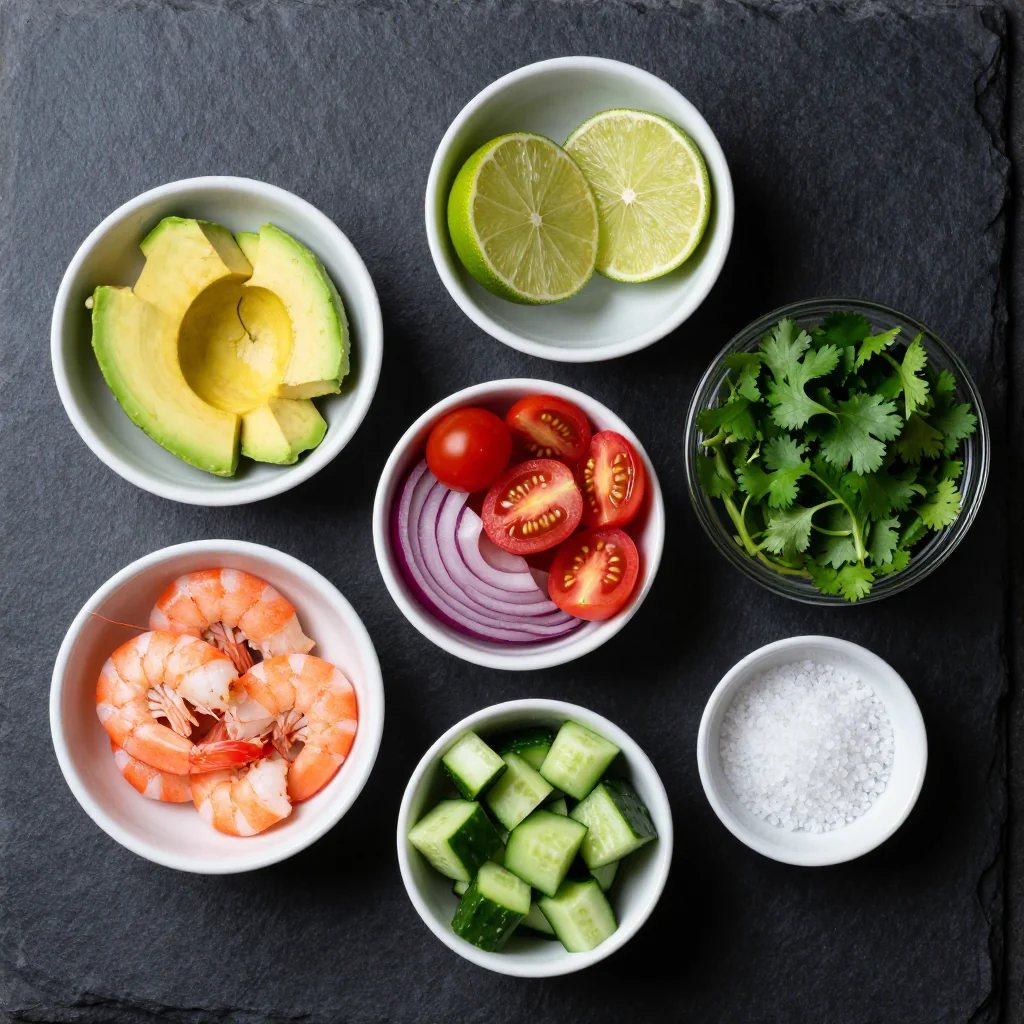
Each ingredient pulls its weight here, so quality matters. Look for wild-caught shrimp (Argentine red shrimp or Gulf pink shrimp are my favorites) that are peeled, deveined, and quick-frozen on the boat—this preserves sweetness and prevents that rubbery chew. Buy them raw; we’ll flash-cook so they stay plump.
Avocados should yield gently to pressure but not feel mushy. If you’re shopping days ahead, grab firm ones and let them ripen on the counter next to bananas; the ethylene speeds things up. For the citrus, select heavy limes with glossy skin—those have the most juice. I zest first, then juice; the oils in the zest amplify flavor without extra liquid.
English cucumber (the seedless, shrink-wrapped kind) keeps the salad from turning watery. Cherry tomatoes burst with sweetness year-round; if it’s peak summer, swap in diced heirloom tomatoes. Red bell pepper contributes crunch and vitamin C; yellow or orange work, too. Red onion gives a gentle bite—soak slices in ice water for 5 minutes to mellow if you’re sensitive.
Fresh cilantro is classic, but flat-leaf parsley or even mint can sub in. If you’re among the “cilantro-tastes-like-soap” crowd, swap freely. A drizzle of extra-virgin olive oil provides satiety and helps your body absorb fat-soluble vitamins A & K. A whisper of honey balances lime’s acidity; maple syrup or agave fit if you’re strictly vegan (though shrimp obviously aren’t—see variations later).
Finally, a pinch of ground cumin adds subtle warmth and nods to Mexican street-corn vibes. Sea salt and freshly cracked pepper tie everything together. That’s it—no bottled dressing, no refined sugar bombs, just real food celebrating itself.
How to Make Clean Eating Shrimp And Avocado Salad With Lime
Place frozen shrimp in a colander under cool running water for 5 minutes. Transfer to a lint-free kitchen towel, roll up, and gently press—excess moisture = steamed rubberiness later.
Toss shrimp with 1 Tbsp lime juice, 1 tsp lime zest, ½ tsp sea salt, and ¼ tsp cracked pepper. Let stand while you heat the pan; the acid gently “cooks” the surface for sweeter flavor.
Heat a non-stick skillet over medium-high. No oil needed—the marinade prevents sticking. Lay shrimp in a single layer; cook 90 seconds. Flip, cook 60 seconds more until just pink and curled. Slide onto a plate to cool.
Halve cucumbers lengthwise, scoop seeds with a spoon, then slice into ¼-inch half-moons. Dice bell pepper and onion to similar size so every forkful feels balanced.
In a large bowl, whisk remaining lime juice & zest, olive oil, honey, cumin, and a pinch of salt until emulsified. Cube avocados and fold gently; the acid keeps them emerald for hours.
Add cooled shrimp, tomatoes, cucumber, bell pepper, and onion to the bowl. Toss just until glossy; over-mixing mashes avocado.
Cover and refrigerate 10-15 minutes. The short rest lets salt draw juices from veggies, creating a light, brothy sauce.
Taste, adjust salt or lime. Scatter cilantro leaves on top. Spoon into butter-lettuce cups for handheld hors d’oeuvres, or over a bed of baby spinach for a heartier plate.
Expert Tips
De-veining Made Easy
Keep the tail on for prettier presentation, or remove for fuss-free eating. Use kitchen shears to slit the back and lift the vein in one motion.
Avoid Over-Crowding the Pan
Cook shrimp in two batches if necessary; steam builds when they’re stacked, muting that caramelized edge.
Ripen Avocados Fast
Place in a paper bag with a banana at 70 °F; ethylene cuts ripening time to 24 hours versus 4-5 days.
Zest First, Juice Later
Micro-plane the colored part only—white pith is bitter. Rolling the lime on the counter bursts juice sacs, yielding up to 20 % more liquid.
Double the Dressing
Whisk extra and store in an airtight jar; it doubles as a marinade for chicken or a drizzle over roasted sweet potatoes.
Keep It Green
Press plastic wrap directly onto avocado surface if making ahead; limit oxygen contact and browning for 24 hours.
Variations to Try
- Tropical Twist: Swap shrimp for seared scallops and fold in diced mango and toasted macadamia nuts.
- Vegan Route: Replace shrimp with marinated baked tofu cubes and use maple syrup instead of honey.
- Spicy Kick: Add one finely minced jalapeño and a dash of smoked paprika to the dressing.
- Grain Bowl: Serve over warm quinoa or farro to turn the side into a filling entrée.
- Citrus Swap: Try grapefruit segments and blood-orange juice for a winter version.
Storage Tips
Because avocado is prone to browning, store components separately if you anticipate leftovers. Keep the shrimp-veggie mix in one glass container and fold in avocado just before eating. The lime dressing may congeal when cold—let it sit at room temp 5 minutes, then whisk to re-emulsify.
Cooked shrimp stay succulent up to 3 days refrigerated in an airtight box lined with paper towel to absorb moisture. If you must freeze, spread shrimp on a parchment-lined sheet until solid, then transfer to a zip bag; use within 1 month for best texture, though the avocado component doesn’t freeze well.
Pack salads in mason jars for grab-and-go lunches: dressing on the bottom, then sturdy veggies, shrimp, and finally spinach leaves. Invert onto a plate at noon and everything stays crisp.
Frequently Asked Questions
Yes, but warm them only 30 seconds in the skillet to avoid rubbery texture. Season lightly; pre-cooked shrimp are often saltier.
They curl into a loose “C” and turn opaque pink. If they shrink into a tight “O,” they’re over-cooked.
Absolutely—no wheat products are used. If serving with tortillas or croutons, choose certified GF versions.
Definitely! Thread onto soaked wooden skewers, brush lightly with oil, and grill 2 min per side at 450 °F.
Dill, basil, or chives all pair well. Use what you have—this recipe is forgiving.
Prep all components up to 24 hours in advance; assemble and add avocado up to 2 hours before guests arrive.
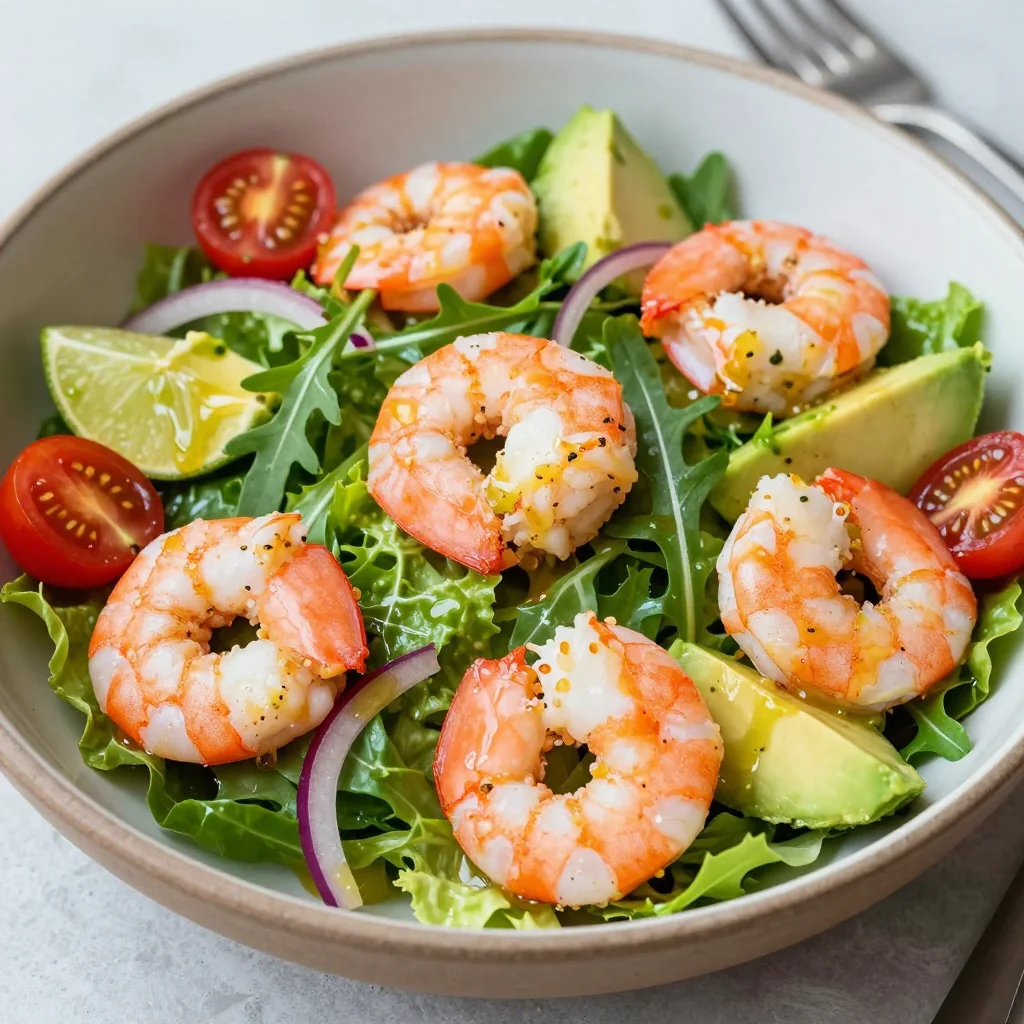
Clean Eating Shrimp And Avocado Salad With Lime
Ingredients
Instructions
- Thaw & Season: Rinse shrimp under cold water 5 min; pat very dry. Toss with 1 Tbsp lime juice, salt, pepper.
- Sear: Medium-high dry non-stick skillet. Cook shrimp 90 sec per side until pink & curled; transfer to plate to cool.
- Combine: In a large bowl whisk olive oil, remaining lime juice & zest, honey, cumin, ½ tsp salt. Fold in avocado.
- Add Veggies: Add tomatoes, cucumber, bell pepper, onion, cooled shrimp. Toss gently to coat.
- Chill: Refrigerate 10-15 min for flavors to meld. Taste, adjust seasoning.
- Serve: Sprinkle cilantro and serve over greens or lettuce cups.
Recipe Notes
For meal-prep, store avocado separately and fold in just before eating to prevent browning.