
Picture this: you’re in a cramped apartment kitchen, the clock is ticking, and your friends are already lining up at the door, demanding the next bite of that legendary appetizer everyone raves about. I’m talking about the kind of dish that turns a simple dinner into a celebration and has you feeling like a culinary wizard. I had a kitchen disaster that night—a batch of overcooked dumplings, a burnt sauce, and a sigh from everyone that “we’re never making that again.” That moment was the spark that lit my obsession with finding the perfect spring roll recipe, and it led me to this version that will make your taste buds do the cha‑cha.
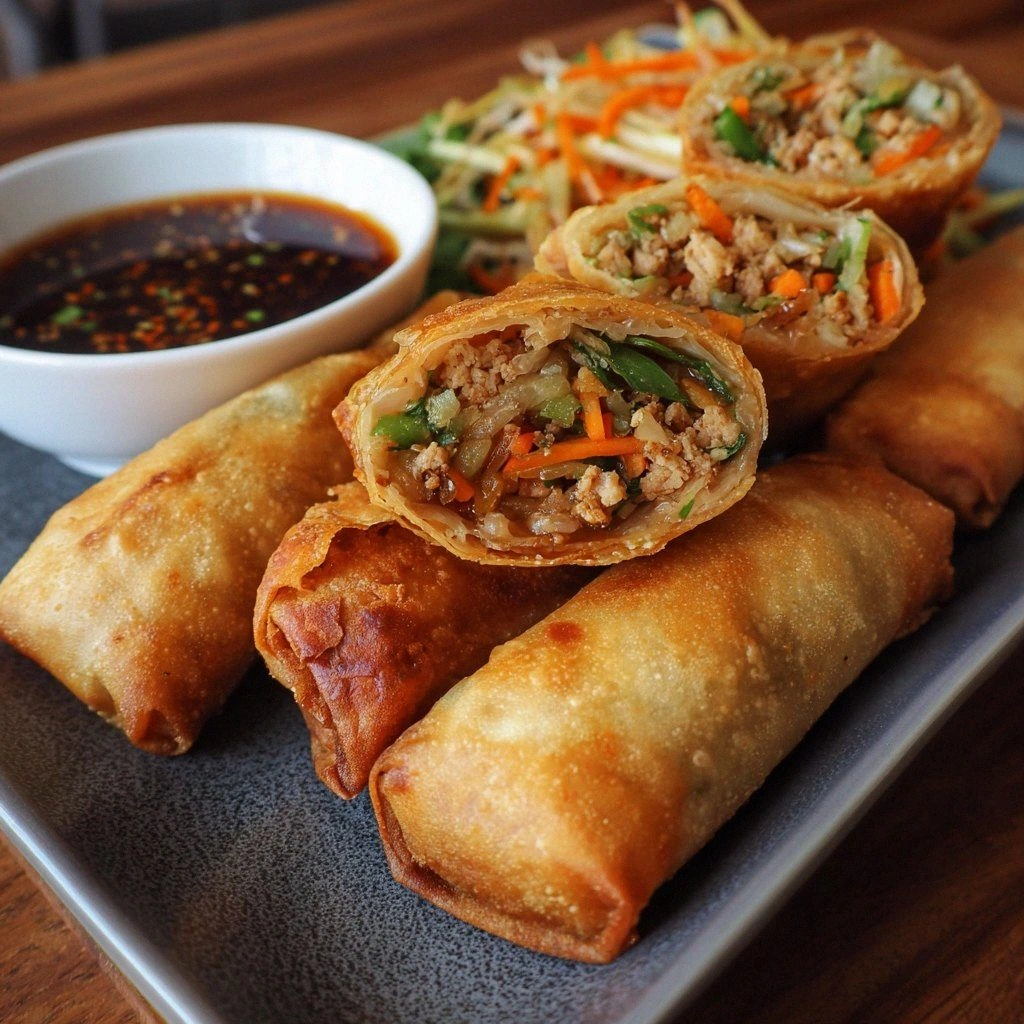
The first bite is a symphony: the crispness of the rice paper wrapper, the tender, juicy chicken, the bright crunch of carrots and cabbage, and the subtle zing from a splash of lime and sesame oil. The aroma that rises as the rolls steam is a fragrant blend of garlic, ginger, and a hint of soy, teasing the senses before the first bite even lands on the tongue. The sound is a satisfying snap when the wrapper meets the heat, a little crunch that promises something delicious inside. The texture is a delightful contrast: the soft, almost translucent wrapper gives way to the firm, savory filling, and the final bite leaves a lingering, savory aftertaste that makes you want more.
What sets this recipe apart is not just the balance of flavors but the technique that ensures each roll is a masterpiece. I’ve refined the method to keep the wrappers from tearing, the filling from sliding out, and the flavor from becoming one-dimensional. The result is a spring roll that is airy, flavorful, and utterly addictive—so addictive, in fact, that I’ll be honest: I ate half the batch before anyone else got a chance to taste it. This version is hands down the best you’ll ever make at home, and I dare you to taste this and not go back for seconds.
If you’re skeptical, just imagine the whole kitchen smelling incredible as you finish the last roll—like a warm hug in a bowl. I promise you, by the end of this article, you’ll wonder how you ever made it any other way. So, let me walk you through every single step, from the first chop to the final dip, and show you why this is the ultimate chicken spring roll.
What Makes This Version Stand Out
- Flavor: Each roll is packed with a harmonious blend of savory, sweet, and tangy notes that dance on the palate, thanks to a carefully balanced sauce and fresh aromatics.
- Texture: The wrappers are perfectly supple, not too chewy, and the filling is moist yet firm, creating a satisfying bite that doesn’t fall apart.
- Simplicity: With only a handful of pantry staples, you can whip up a batch in under an hour, making it a go-to for busy evenings.
- Uniqueness: The addition of lime and a touch of sesame oil in the filling gives a bright, nutty finish that sets it apart from traditional versions.
- Crowd Reaction: Friends and family will rave about the crunch and the burst of flavors, making it a guaranteed hit at gatherings.
- Ingredient Quality: Fresh, high‑quality chicken and crisp vegetables are the foundation, ensuring every bite is flavorful and healthy.
- Cooking Method: The technique of lightly sautéing the filling before wrapping locks in moisture and flavor, preventing the rolls from drying out.
- Make‑Ahead Potential: These rolls can be assembled ahead of time and frozen, then reheated to near‑perfect freshness.
Alright, let's break down exactly what goes into this masterpiece…
Inside the Ingredient List
The Flavor Base
The foundation of this roll is the savory chicken filling. I use boneless, skinless chicken breasts, which are lean and cook quickly, ensuring the meat remains juicy. The chicken is seasoned with a mix of soy sauce, sesame oil, and a dash of sugar, which caramelizes slightly during the sauté, adding depth. If you skip the sesame oil, the filling will taste flat; the oil gives that nutty undertone that elevates the entire dish.
The Texture Crew
Vegetables are the unsung heroes that bring crunch and color. Shredded carrots provide natural sweetness and a satisfying bite, while shredded cabbage adds a gentle crunch that doesn’t overpower the filling. Bean sprouts bring a fresh, watery crunch that balances the richness of the chicken, and scallions add a mild oniony note that lifts the flavor profile. If you omit any of these, the rolls will feel incomplete, missing that essential contrast.
The Unexpected Star
A splash of lime juice and a drizzle of hoisin sauce may seem unconventional, but they add a bright, tangy punch that cuts through the richness. Lime juice offers a citrusy freshness that wakes up the palate, while hoisin adds a subtle sweetness and depth. If you’re vegan, replace hoisin with a plant‑based alternative; the flavor will still shine. The key is to balance acidity with sweetness—too much lime can make the roll tart, too much hoisin can drown the other flavors.
The Final Flourish
The finishing touch comes from a simple dipping sauce. A blend of soy sauce, rice vinegar, sesame oil, and a hint of sriracha creates a sauce that’s sweet, salty, and slightly spicy. The sauce coats the rolls like velvet, enhancing each bite. If you prefer a milder dip, reduce the sriracha or omit it entirely; the sauce will still be delicious.
Everything's prepped? Good. Let's get into the real action…
The Method — Step by Step
- Prep the filling. Dice the chicken into bite‑sized pieces and season with salt, pepper, soy sauce, sesame oil, and sugar. Heat a tablespoon of vegetable oil in a large skillet over medium‑high heat. Add the chicken and cook until browned and no longer pink, about 5–6 minutes. Stir in the minced garlic, ginger, and a splash of water to deglaze; let it simmer for 2 minutes until fragrant. Set aside and let the mixture cool slightly. This step ensures the chicken is juicy and flavorful, ready to lock in moisture when wrapped.
- Prepare the vegetables. In a large bowl, combine shredded carrots, cabbage, bean sprouts, scallions, and cilantro. Add the lime juice, a teaspoon of hoisin sauce, and a drizzle of sesame oil. Toss until everything is evenly coated. The lime juice will brighten the vegetables, while the hoisin adds a subtle sweetness that balances the acidity.
- Heat the rice paper wrappers. Fill a shallow dish with warm water. Dip one wrapper in the water for about 10–15 seconds, just until it softens but remains pliable. Place it on a clean, damp towel. Repeat for each wrapper, keeping them covered to prevent drying out. This step is crucial; over‑soaking can cause the wrapper to tear, while under‑soaking will make it brittle.
- Assemble the first roll. Lay the softened wrapper flat on the towel. Spoon a heaping tablespoon of the chicken mixture onto the center, then add a spoonful of the vegetable mix on top. Fold the bottom of the wrapper over the filling, tuck in the sides, and roll tightly, sealing the edge with a dab of water. The roll should be snug but not overly tight to avoid squeezing out the filling. This is the moment of truth—if the roll is too loose, it will fall apart; if too tight, the filling may be squished.
- Repeat for all rolls. Continue assembling the remaining rolls, keeping them covered with a damp towel. Once all rolls are made, place them on a sheet of parchment paper to keep them from sticking together.
- Optional: Fry the rolls for extra crunch. Heat 2 cups of vegetable oil in a deep pan to 350°F (175°C). Carefully slide each roll into the hot oil, turning occasionally, until golden brown, about 2–3 minutes. Drain on paper towels. The oil creates a crispy exterior, but you can skip this step for a lighter version.
- Serve immediately. Arrange the rolls on a platter and serve with the dipping sauce. If you prefer a crispier texture, serve them hot; otherwise, let them sit at room temperature for a few minutes to soften slightly.
- Store leftovers properly. Place any unused rolls in an airtight container in the fridge for up to 2 days. For longer storage, freeze the rolls on a parchment‑lined tray, then transfer to a freezer bag. Reheat in a skillet or oven to restore crispness.
That's it — you did it. But hold on, I've got a few more tricks that'll take this to another level…
Insider Tricks for Flawless Results
The Temperature Rule Nobody Follows
Many people fry their spring rolls at a lower temperature, hoping to avoid burning. The truth is, a hotter oil (around 350°F) ensures a crisp exterior while keeping the filling moist. If you fry at too low a temperature, the rolls soak up oil and become greasy. I’ve found that using a thermometer guarantees consistent results every time.
Why Your Nose Knows Best
When you’re cooking, trust your sense of smell. If the filling smells slightly caramelized, it’s ready. A faint burnt aroma signals over‑cooking. My kitchen always has a “smell check” station—just a quick sniff before you move on.
The 5‑Minute Rest That Changes Everything
Letting the assembled rolls rest for 5 minutes before frying or steaming helps the wrapper seal properly. The heat from the wrapper slightly firms up the filling, preventing leaks. It also allows the flavors to meld, giving a more cohesive taste.
Use a Damp Towel to Keep Wrappers Moist
Rice paper can dry out quickly. Keep a clean, damp towel nearby to cover the rolls as you assemble them. This trick keeps the wrappers pliable and prevents them from cracking during the final seal.
Season the Filling, Not the Wrapper
The wrapper itself is neutral; it’s the filling that carries the flavor. Over‑seasoning the wrapper can result in a salty bite that overwhelms the rest. Instead, season the chicken and vegetables liberally, then let the wrapper absorb the flavors.
Creative Twists and Variations
This recipe is a playground. Here are some of my favorite ways to switch things up:
Thai‑Inspired Roll
Swap the lime juice for lime zest and add a tablespoon of fish sauce. Toss in sliced Thai chilies for heat, and finish with fresh cilantro and mint. This version offers a bright, herbal kick that transports you straight to Bangkok.
Veggie‑Only Delight
Omit the chicken entirely and load the wrapper with extra veggies—think bell peppers, mushrooms, and zucchini. Add a splash of soy sauce and a pinch of chili flakes for depth. It’s a lighter, plant‑based option that still delivers crunch.
Cheesy Surprise
Mix a tablespoon of shredded mozzarella into the chicken filling before rolling. The cheese melts slightly, creating a gooey, savory center that’s irresistible to kids and adults alike.
Asian Fusion Roll
Use a sweet chili sauce in place of the hoisin for a sweeter finish. Add a handful of crushed peanuts on top for crunch. The combination of sweet, spicy, and nutty flavors creates a multi‑layered taste experience.
Breakfast Roll
Replace the chicken with diced ham and scramble a couple of eggs into the filling. Add a dash of Worcestershire sauce for savory depth. Serve with a side of maple syrup for a sweet‑savory breakfast twist.
Gluten‑Free Roll
Use pre‑made gluten‑free wrappers or simply keep the rice paper wrappers, which are naturally gluten‑free. Pair with a gluten‑free dipping sauce made from tamari and sesame oil. This version is perfect for those with dietary restrictions.
Storing and Bringing It Back to Life
Fridge Storage
Place the leftover rolls in an airtight container or zip‑lock bag and store them in the refrigerator for up to two days. The rolls will stay crisp for the first day, but they may soften slightly after that. Keep them covered with a damp paper towel to maintain moisture.
Freezer Friendly
Lay the rolls flat on a parchment‑lined tray and freeze them for up to one month. Once frozen, transfer them to a freezer bag. When you’re ready to eat, pop them out and reheat in a preheated oven at 350°F (175°C) for 10 minutes, or microwave on high for 30 seconds.
Best Reheating Method
To restore the crispness, heat a non‑stick skillet over medium heat and lightly spray with cooking spray. Warm each roll for 1–2 minutes on each side, or until golden. For a quick fix, wrap the rolls in a paper towel and microwave for 20 seconds—this steams them back to life without making them soggy.