
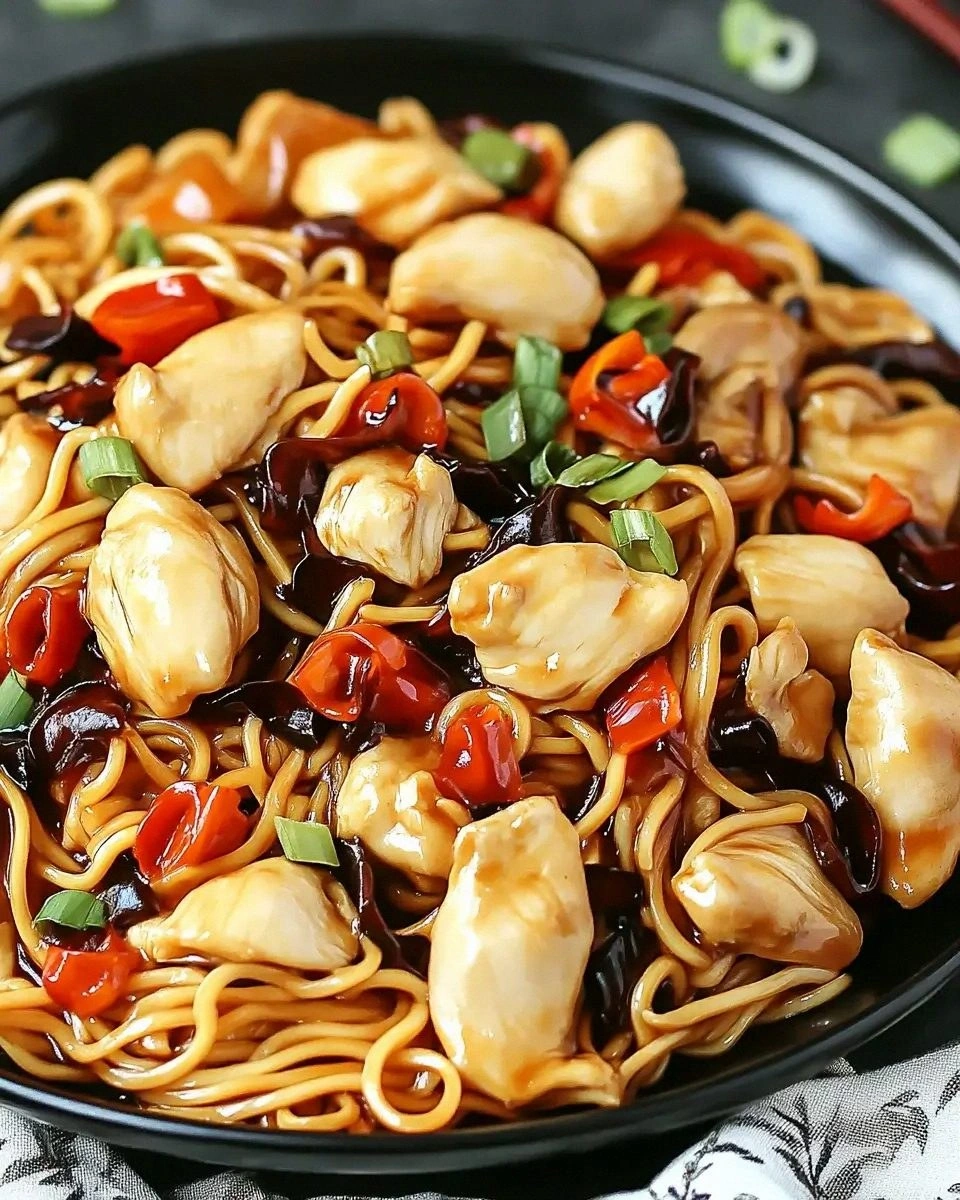
Picture this: I’m standing in my cramped apartment kitchen, the timer on my old microwave buzzing like an impatient toddler, and I’ve just realized I’m out of takeout coupons. My stomach is growling louder than a freight train, and the only thing that could possibly save the night is a bowl of chow mein that actually tastes like it was whipped up in a bustling street market in Hong Kong. I threw together whatever I had—some leftover chicken, a bag of noodles, a splash of soy sauce—and what came out was a disaster that tasted like soggy cardboard. That failure sparked a relentless quest for the ultimate chicken chow mein, and after countless trial‑and‑error sessions (and a few burnt pans), I finally nailed a version that makes my taste buds do a happy dance.
The moment you take that first bite, you’ll be hit with a symphony of flavors that hits every sense at once. The aroma of sizzling garlic and ginger wafts through the air, instantly transporting you to a neon‑lit night market. The noodles glisten with a glossy, buttery sheen, while the veggies stay crisp enough to snap under your teeth, releasing a fresh, earthy crunch. The sauce? It coats each strand like velvet, delivering a savory umami punch that lingers just long enough to keep you reaching for more. And the chicken—tender, juicy, and perfectly seasoned—adds that protein punch without ever feeling heavy.
What makes this version truly stand out is the “ultimate sauce” I’ve crafted. Most chow mein recipes rely on a bland soy‑based glaze that leaves the noodles feeling dry and the dish tasting one‑dimensional. My sauce, however, blends soy sauce, oyster sauce, a whisper of sesame oil, and a secret slurry of cornstarch that gives it a silky body and a glossy finish. I also add a splash of chicken broth to keep the flavors balanced and prevent any single note from dominating. The result is a sauce that clings to every noodle strand, each bite delivering a burst of layered taste that feels both familiar and excitingly new.
And here’s the kicker: I’m going to throw in a technique most home cooks skip—high‑heat wok searing. By blasting the wok on maximum heat, you get those coveted “wok‑hei” charred edges that add a subtle smoky depth, turning a simple stir‑fry into a restaurant‑quality masterpiece. I dare you to taste this and not go back for seconds. Let me walk you through every single step — by the end, you’ll wonder how you ever made it any other way.
What Makes This Version Stand Out
- Flavor Explosion: The sauce is a perfect marriage of salty, sweet, and umami, thanks to the combination of soy, oyster, and sesame oils, plus a touch of chicken broth that keeps it from getting too salty.
- Texture Harmony: Crunchy veggies, tender chicken, and al dente noodles create a mouthfeel that’s both satisfying and addictive, never soggy or mushy.
- Simplicity Meets Sophistication: Only a handful of pantry staples are needed, yet the final dish feels like it took hours of chef‑level prep.
- Wok‑Hei Magic: High‑heat searing gives the noodles a caramelized edge that most recipes completely miss.
- Crowd‑Pleaser Factor: Even picky eaters love it; the balanced sauce and bright veggies make it a hit at family dinners and potlucks.
- Ingredient Quality: Fresh ginger, garlic, and crisp vegetables elevate the dish beyond the usual frozen‑veggie shortcuts.
- One‑Pan Efficiency: Everything cooks in the same wok, meaning fewer dishes and a faster cleanup.
- Make‑Ahead Potential: The sauce can be pre‑mixed and stored, cutting prep time to a minute on busy weeknights.
Inside the Ingredient List
The Flavor Base
Soy Sauce (¼ cup): This is the backbone of the sauce, delivering salty depth and a dark, glossy color. If you skip it, the dish loses its signature umami punch. For a gluten‑free version, swap with tamari at the same measurement.
Oyster Sauce (2 tbsp): Adds a subtle sweetness and a briny complexity that soy sauce alone can’t achieve. It’s the secret behind that restaurant‑style richness. If you’re allergic to shellfish, mushroom sauce works as a surprisingly close substitute.
Sesame Oil (1 tbsp): A little goes a long way, providing a nutty aroma that rounds out the sauce. Over‑using it can make the dish taste bitter, so measure carefully.
The Texture Crew
Celery, Carrots, Bell Pepper (1 cup each): These vegetables bring crunch, color, and a slight natural sweetness. They also act as a moisture barrier, preventing the noodles from soaking up too much sauce. If you’re out of one, feel free to swap with snap peas or bok choy.
Bean Sprouts (1 cup): Their light, airy texture contrasts beautifully with the chewy noodles. Add them at the very end of cooking to keep their snap intact. Fresh sprouts are best; if you only have canned, rinse and pat dry before using.
Green Onions (3, sliced): Provide a fresh, oniony bite that brightens the dish. Reserve a few green tops for garnish to add a pop of color right before serving.
The Unexpected Star
Fresh Ginger (1 tbsp, minced): Ginger cuts through the richness of the sauce with a zingy heat, balancing the salty components. If you’re not a fan of fresh ginger, a pinch of ground ginger works, but the flavor won’t be as vibrant.
Garlic (3 cloves, minced): Garlic adds aromatic depth and a subtle sweetness when caramelized. Over‑cooking can turn it bitter, so keep an eye on the pan.
Cornstarch (1 tbsp): This is the secret thickener that gives the sauce its velvety coat. Without it, the sauce would be runny and the noodles would slip off the fork.
The Final Flourish
Chicken Broth (¼ cup): Dilutes the sauce just enough to keep it from being overpoweringly salty while adding a subtle meatiness. Low‑sodium broth is ideal for better control over salt levels.
Salt and Pepper (to taste): Essential for seasoning, but the soy sauce already brings a lot of salt, so taste before adding more. A pinch of white pepper adds a gentle heat without dark specks.
Everything's prepped? Good. Let's get into the real action...
The Method — Step by Step
First, bring a large pot of water to a rolling boil. Add the chow mein noodles and cook them just until they’re al dente—about 3‑4 minutes. Drain, rinse under cold water to stop the cooking, and toss with a teaspoon of vegetable oil to keep them from sticking. This step is crucial; over‑cooked noodles become mushy, ruining the texture.
While the noodles are cooling, heat 2 tablespoons of vegetable oil in a wok over high heat until it starts to shimmer. Add the minced garlic and ginger, stirring constantly. You’ll hear a sizzle that’s music to any stir‑fry lover’s ears—“that sizzle when it hits the pan? Absolute perfection.” Cook for about 30 seconds until fragrant, but be careful not to let them brown.
Kitchen Hack: Mince garlic and ginger together using a micro‑plane; the fine shreds integrate more evenly into the sauce.Next, add the sliced carrots, celery, and bell pepper to the wok. Stir‑fry for 2‑3 minutes, letting the veggies retain a firm crunch while their edges start to caramelize. The visual cue you’re looking for is a light golden‑brown on the cut surfaces—this is where flavor builds.
Now it’s time for the chicken. Toss in the 2 cups of cooked chicken (shredded or cubed) and stir‑fry for another minute, just to heat through. If you’re using leftover rotisserie chicken, this is the perfect moment to bring it back to life. The chicken should be warm and start to absorb the aromatics without drying out.
In a small bowl, whisk together soy sauce, oyster sauce, sesame oil, chicken broth, and cornstarch slurry. This mixture is the “ultimate sauce.” Pour it over the wok contents, immediately stirring to coat everything. You’ll notice the sauce thickening within seconds, turning glossy and clinging to each ingredient like a silky veil.
- Watch Out: If the sauce starts to bubble too aggressively, lower the heat slightly; otherwise, the cornstarch can turn grainy.
Now, add the cooked noodles to the wok. Toss vigorously, ensuring each strand is fully enveloped by the sauce. The noodles should glisten, and you’ll see the edges start to pull away from the pan—this is the coveted “wok‑hei” effect. Keep the heat high for about 2 minutes, allowing the noodles to get a light crisp on the bottom.
Finally, stir in the bean sprouts and the green onion tops. These delicate ingredients need only a quick 30‑second toss—any longer and they’ll wilt, losing that satisfying snap. Taste the dish, then finish with a pinch of salt and freshly ground white pepper if needed.
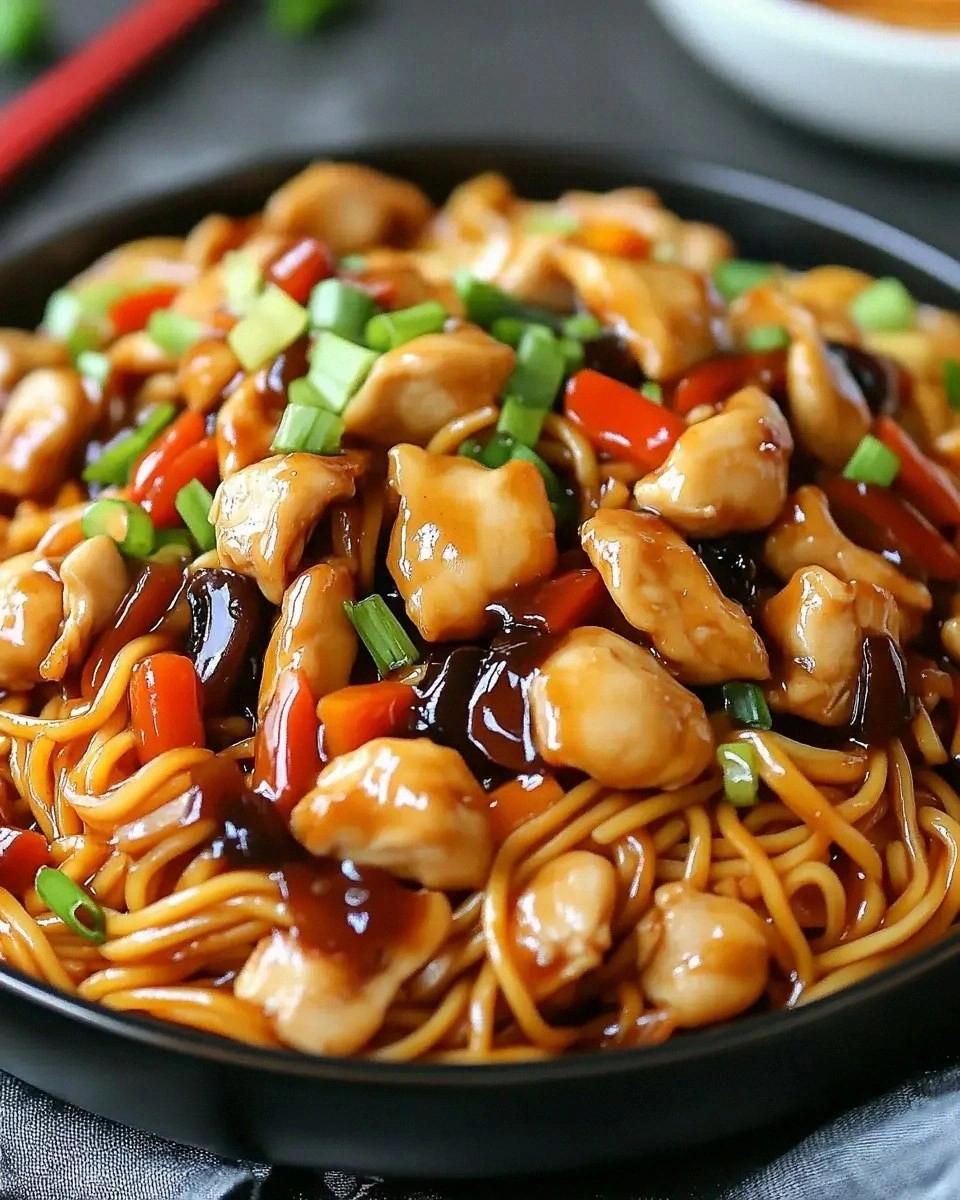
Transfer the chow mein to a serving platter, drizzle a tiny drizzle of extra sesame oil for aroma, and garnish with the remaining sliced green onions. The final presentation should be a rainbow of colors—golden noodles, bright orange carrots, vivid green beans, and ruby‑red peppers. Serve immediately while the wok‑hei aroma fills the kitchen.
That's it — you did it. But hold on, I've got a few more tricks that'll take this to another level...
Insider Tricks for Flawless Results
The Temperature Rule Nobody Follows
Never, ever let the wok cool down between steps. The high heat is what creates that coveted char and the “wok‑hei” flavor. If you notice the oil starting to smoke lightly, you’re in the perfect zone. I once tried to lower the heat for a minute, and the sauce turned watery—lesson learned. Keep that flame roaring, and your noodles will have that restaurant‑quality edge.
Why Your Nose Knows Best
The moment you smell the garlic and ginger turning golden is your cue to add the veggies. If the aroma is faint, the heat isn’t high enough. Trust your nose—when the scent becomes sweet and slightly nutty, you’re ready to move on. I’ve found that relying on visual cues alone can lead to overcooked vegetables, but the nose never lies.
The 5‑Minute Rest That Changes Everything
After you finish cooking, let the dish sit in the wok off the heat for about five minutes. This rest allows the sauce to settle and the flavors to meld. It’s a trick I stole from professional chefs; they call it “carry‑over cooking.” The noodles absorb a bit more sauce, and the dish becomes even more cohesive.
Swap the Soy for a Sweet Twist
If you love a hint of sweetness, replace half of the soy sauce with a dash of honey or brown sugar. The caramelization will deepen, giving the noodles a subtle glaze that’s perfect for those who prefer a milder salty profile. Just be careful not to over‑sweeten; a teaspoon is enough.
Don’t Forget the Finish
A final drizzle of toasted sesame oil right before serving adds an aromatic finish that elevates the dish from good to unforgettable. It’s the difference between a dish that tastes great and one that smells like a celebration. I always keep a tiny bottle of toasted sesame oil on my countertop for this exact purpose.
Creative Twists and Variations
This recipe is a playground. Here are some of my favorite ways to switch things up:
Spicy Szechuan Style
Add 1‑2 teaspoons of Szechuan peppercorn oil and a pinch of dried red chili flakes when you pour in the sauce. The numbing heat pairs perfectly with the crunchy veggies, turning a classic into a bold, tongue‑tingling adventure.
Veggie‑Only Version
Omit the chicken and double the vegetables—add mushrooms, snow peas, and baby corn. Use a splash of vegetable broth instead of chicken broth to keep the depth. This makes a hearty vegetarian main that still boasts that signature sauce.
Seafood Sensation
Swap the chicken for shrimp or scallops. Cook the seafood just until pink—about 2 minutes—and then proceed with the sauce. The sweet brininess of the seafood blends beautifully with the oyster sauce.
Thai‑Inspired Coconut Curry
Replace the soy sauce with ¼ cup coconut milk, add a tablespoon of red curry paste, and finish with a squeeze of lime. The result is a fragrant, creamy twist that feels like a Thai street stall on your plate.
Low‑Carb Noodle Swap
Use spiralized zucchini or shirataki noodles instead of chow mein. The cooking method stays the same, but you’ll get a lighter, lower‑carb version that still captures the sauce’s magic.
Smoky BBQ Fusion
Mix in a tablespoon of your favorite BBQ sauce and a dash of smoked paprika. This creates a sweet‑smoky flavor profile that pairs wonderfully with grilled chicken strips.
Storing and Bringing It Back to Life
Fridge Storage
Transfer leftovers to an airtight container and store in the refrigerator for up to three days. The noodles may absorb a bit more sauce, which actually deepens the flavor. Reheat gently in a wok over medium heat, adding a splash of water or broth to loosen the sauce.
Freezer Friendly
Portion the chow mein into freezer‑safe bags, removing as much air as possible. It will keep for up to two months. When ready to eat, thaw overnight in the fridge, then stir‑fry in a hot wok with a dash of oil and a splash of water to revive the texture.
Best Reheating Method
For the ultimate reheated experience, use a hot wok rather than a microwave. Add a tiny splash of water (about a tablespoon) and toss quickly; the steam will bring the noodles back to their original glossy sheen. If you must use a microwave, cover the bowl with a damp paper towel to trap steam.