
Introduction
Picture this: a bustling Friday night, the fridge humming with leftovers, and a sudden craving for something that feels like a hug in a pan. I was halfway through a bland stir‑fry when a stray piece of beef slipped off the skillet and landed on the countertop. The sound of that sizzling mishap was a siren, and I knew I was on the brink of discovering a flavor revelation. The aroma that followed—garlic, ginger, and the faint sweetness of soy—filled the kitchen, turning the ordinary into something almost sacred.
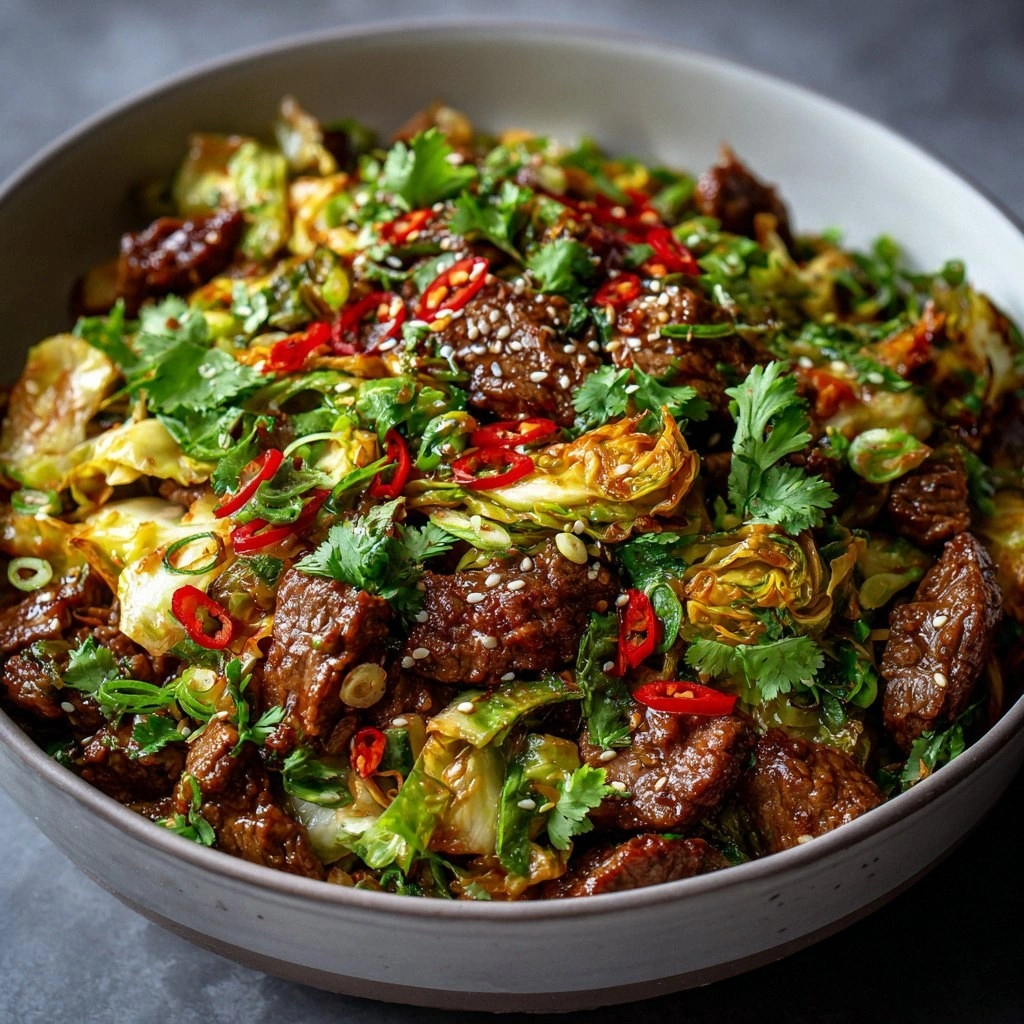
That moment taught me a lesson about the power of a single ingredient and the importance of technique. The texture of the cabbage, crisp yet tender, dances with the beef’s marbling. The sauce, thickened with cornstarch and kissed with sesame oil, coats each bite like velvet, while the faint heat from chili flakes pricks the palate with just enough excitement. The kitchen feels alive: the hiss of the wok, the clink of metal, the rhythmic chopping that syncs with my heartbeat.
What makes this version of Beef & Cabbage Stir Fry truly stand out is not just the flavor profile but the entire experience—fast, fresh, and forgiving. It’s the kind of dish that turns a rushed dinner into a celebratory meal, and the best part? You can pull it together in under 45 minutes, no matter how busy your week gets. If you’re a fan of quick, high‑protein meals that still feel gourmet, you’re in for a treat.
There’s a twist you won’t see in your typical recipe: a splash of rice vinegar added just before the finish to brighten the sauce and give the dish a subtle tang that lifts every bite. Let me walk you through every single step—by the end, you’ll wonder how you ever made it any other way.
What Makes This Version Stand Out
- Speed: Every ingredient is prepped for a 45‑minute turnaround, making it a go‑to for weeknight dinners.
- Texture: The cabbage stays crunchy, while the beef achieves a caramelized crust without drying out.
- Flavor Balance: Sweet, salty, umami, and a hint of acidity combine in perfect harmony.
- Health‑Friendly: Low in added sugars, high in protein, and packed with vegetables.
- Versatility: Works with any cut of beef—sirloin, flank, or even ground for a different twist.
- Make‑Ahead Friendly: Flavors deepen when rested, and the dish reheats beautifully.
- Minimal Cleanup: One pan, one pot, and a quick wipe‑down keep the kitchen tidy.
Alright, let's break down exactly what goes into this masterpiece…
Inside the Ingredient List
The Flavor Base
At the heart of this dish is a sauce that’s both simple and powerful. Soy sauce provides the salty backbone, while oyster sauce adds depth and umami. A touch of rice vinegar brightens the flavor, cutting through the richness of the beef. Garlic and fresh ginger are minced finely so that their aromatics bloom without overpowering the other components.
Why this matters: each liquid is a conduit for flavor. Skipping the rice vinegar turns the dish into a flat, one‑dimensional experience. If you’re looking for a low‑sodium alternative, try tamari or coconut aminos, but remember to adjust the salt accordingly.
The Texture Crew
The cabbage is the star of the texture game. Choose a green or napa cabbage for a sweeter bite, or a red cabbage for a pop of color. Slice it into thin ribbons so it cooks quickly and holds its crunch. Carrots add a subtle sweetness and a splash of orange that brightens the plate.
Beef strips are the protein powerhouse. Marinate them briefly in a mix of soy sauce, a dash of cornstarch, and sesame oil to tenderize and create a caramelized crust when seared. If you’re using ground beef, form it into small patties before cooking to mimic the texture of thin strips.
The Unexpected Star
Green onions and toasted sesame seeds are the finishing touches that add a fresh, nutty crunch. They’re not just garnish; they provide a burst of freshness that lifts the entire dish. A sprinkle of red pepper flakes gives a subtle heat that balances the sweetness of the carrots and the umami of the sauce.
Swap out the sesame seeds for sunflower seeds if you’re avoiding nuts. For a smoky twist, add a teaspoon of smoked paprika to the sauce.
The Final Flourish
Water or broth is used to thin the sauce at the end, creating a silky glaze that clings to every piece. A splash of honey or brown sugar can be added for extra depth, but it’s optional. The finishing touch is a drizzle of sesame oil, which adds a nutty aroma and a glossy sheen.
Everything's prepped? Good. Let's get into the real action…
The Method — Step by Step
- Marinate the Beef: In a bowl, combine 500g of thinly sliced beef with 2 tablespoons soy sauce, 1 teaspoon cornstarch, and 1 teaspoon sesame oil. Let it rest for 10 minutes while you prepare the veggies. The cornstarch will help create a silky coating that locks in moisture.
- Prep the Vegetables: Slice the cabbage into thin ribbons, julienne the carrots, and chop the green onions. Mince 2 cloves of garlic and 1 tablespoon of fresh ginger. Keeping everything uniform ensures even cooking.
- Heat the Pan: Place a wok or large skillet over high heat. Add 2 tablespoons of vegetable oil and swirl to coat. When the oil shimmers, add the beef in a single layer. Don’t overcrowd; you’ll get a better sear.
- Sear the Beef: Let the beef sear untouched for 30 seconds, then stir. This technique creates a caramelized crust that’s full of flavor. Flip until browned on all sides, about 3–4 minutes total. Remove and set aside.
- Cook the Aromatics: In the same pan, add the minced garlic and ginger. Sauté for 15–20 seconds until fragrant, but watch closely—burnt garlic will taste bitter.
- Stir‑Fry the Veggies: Add the carrots first; they need a bit more time. After 30 seconds, toss in the cabbage ribbons. Stir constantly for 3 minutes until the cabbage is bright green and just tender.
- Combine: Return the beef to the pan. Add 2 tablespoons oyster sauce, 1 tablespoon soy sauce, 1 tablespoon rice vinegar, and a splash of water. Stir to coat everything evenly. Let it simmer for 2 minutes so the flavors meld.
- Finish with Sesame Oil: Drizzle 1 teaspoon sesame oil over the dish. Toss gently to distribute the nutty aroma and give the sauce a glossy finish.
- Garnish: Sprinkle toasted sesame seeds and the remaining green onions on top. Serve hot over steamed rice or cauliflower rice for a low‑carb option.
- Enjoy: The dish should be hot, fragrant, and ready to devour. The crunch of the cabbage, the tender beef, and the silky sauce make every bite a delight.
That's it — you did it. But hold on, I've got a few more tricks that'll take this to another level…
Insider Tricks for Flawless Results
The Temperature Rule Nobody Follows
Many cooks keep the heat low to avoid burning, but this dish thrives on high heat. A hot pan ensures the beef sears quickly, locking in juices and preventing a soggy texture. If your stove can’t hit high, use a cast‑iron skillet for better heat retention.
Why Your Nose Knows Best
Smell is the quickest way to gauge doneness. When the beef starts to brown and the cabbage releases steam, the aroma should be a savory, slightly sweet scent. If it smells raw or metallic, lower the heat slightly.
The 5‑Minute Rest That Changes Everything
After cooking, let the dish rest for five minutes before serving. This allows the flavors to marry and the sauce to thicken slightly, giving the dish a richer mouthfeel.
Use a Splash of Broth for Extra Depth
Replacing water with low‑sodium chicken or vegetable broth adds an extra layer of umami. This is especially useful if you’re aiming for a more complex flavor profile.
Keep the Veggies Fresh with a Quick Chill
After blanching the cabbage, plunge it into ice water to stop the cooking process. This preserves the bright green color and crispness, even if you’re prepping ahead.
Seal in the Flavor with a Quick Toast
After sautéing the aromatics, give the pan a quick wipe with a paper towel to remove excess oil. Then, add the beef back in; the reduced oil prevents a greasy finish.
Creative Twists and Variations
This recipe is a playground. Here are some of my favorite ways to switch things up:
Spicy Korean Fusion
Replace the soy sauce with Korean soy sauce and add 1 tablespoon gochujang. Finish with a sprinkle of toasted sesame seeds and a dash of toasted chili flakes for an extra kick.
Teriyaki Sweetness
Swap oyster sauce for teriyaki sauce and add a tablespoon of honey. The result is a glossy, caramelized glaze that pairs beautifully with the cabbage.
Low‑Carb Delight
Serve over cauliflower rice instead of white rice. The cauliflower adds a subtle nutty flavor while keeping the dish keto‑friendly.
Vegetarian Version
Omit the beef and add tofu cubes or tempeh. Marinate the protein in the same soy and cornstarch mixture for a similar texture.
Asian Noodle Twist
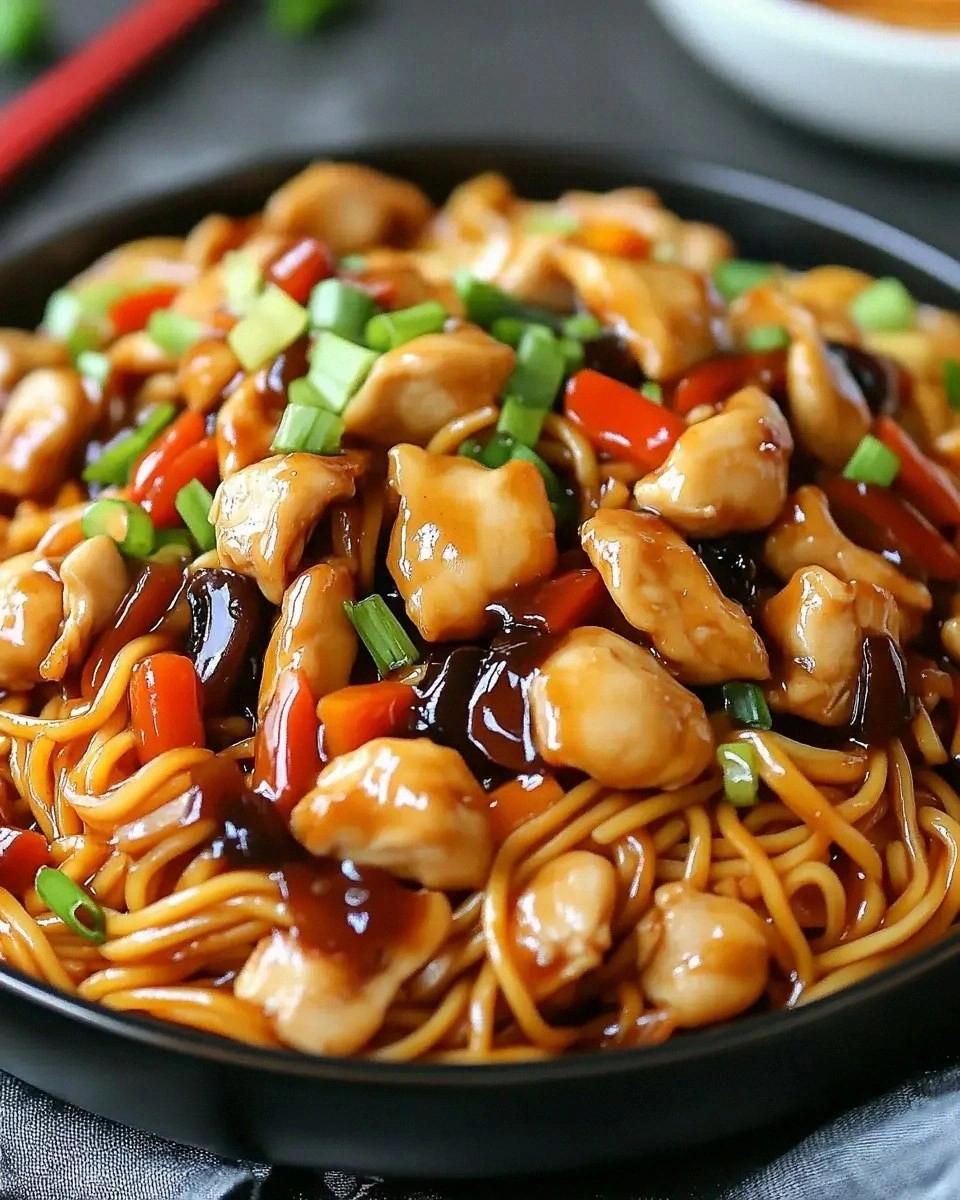
Swap the rice for udon or ramen noodles. Toss everything together after the final stir, and you’ve got a hearty noodle bowl.
Herb‑Infused Variation
Add fresh basil or cilantro at the end for a fragrant finish that brightens the dish and adds a pop of color.
Storing and Bringing It Back to Life
Fridge Storage
Store in an airtight container for up to 3 days. The flavors deepen, and the cabbage may soften slightly, but the beef remains tender.
Freezer Friendly
Freeze in portioned containers for up to 2 months. Thaw overnight in the fridge before reheating.
Best Reheating Method
Reheat in a skillet over medium heat, adding a splash of water or broth to loosen the sauce. Finish with a drizzle of sesame oil to restore the glossy finish.
Remember to add a tiny splash of water before reheating—it steams back to perfection.